





radwan.png

Prof. Ahmed Radwan

Professor

Faculty Office Ext.

1758

Faculty Building

UB2

Office Number

S21

Biography

Prof. Ahmed G. Radwan is Professor of Engineering Mathematics at Nile University, Egypt, and is currently on leave from Cairo University’s Department of Engineering Mathematics and Physics. He has held numerous senior academic and administrative positions, including Vice President for Research, Dean of Graduate Studies, Director of Research and Sponsored Projects, Director of the Nanoelectronics Integrated Systems Center, Acting Dean of Engineering and Applied Sciences, and Head of Marketing and Communications at Nile University. He has also served in leadership and visiting roles at Cairo University, KAUST in Saudi Arabia, and McMaster University in Canada. 

An internationally recognized researcher, Prof. Radwan works across engineering mathematics, fractional-order systems, nonlinear dynamics, chaotic circuits, circuit theory, secure communication, cryptosystems, and applied artificial intelligence. According to Scopus, he has published more than 500 indexed papers, received over 13,000 citations, and achieved an h-index of 58. He is also the author or co-author of 13 international books and 26 book chapters. His global standing is reflected in his repeated inclusion among Stanford/Elsevier’s World’s Top 2% Scientists and his ranking among Egypt’s leading researchers. 

His research combines mathematical theory with practical engineering applications, covering areas such as oscillators, filters, impedance matching, bioimpedance modeling, secure computation, and intelligent systems. He has supervised more than 50 Master’s and PhD students, with ten receiving best thesis awards, while many of his graduates have advanced to prominent academic, technical, and executive roles. 

Prof. Radwan has also made a major contribution to scientific capacity building. He founded the NILES International Conference and the Undergraduate Research Forum, initiatives that have engaged thousands of researchers, students, institutions, and international contributors. NILES has published more than 800 IEEE-indexed papers, while UGRF and related competitions have supported thousands of projects and contributed to awards, Scopus-indexed outputs, and more than 15 startups. 

His innovation record includes six US and international patents in areas such as oscillators, fractional-order impedance matching, digital chaotic systems, and pseudo-random number generation. He has also led or contributed to funded projects exceeding USD 1 million in secure communication, AI, smart agriculture, sensing, robotics, and environmental technologies. 

Beyond research, Prof. Radwan has served on major national and international scientific committees and currently chairs Egypt’s Basic Sciences Research Council. His many honors include national and regional awards for leadership, research excellence, engineering, applied sciences, and mathematical sciences.  
 

Recent Publications
Conference Paper

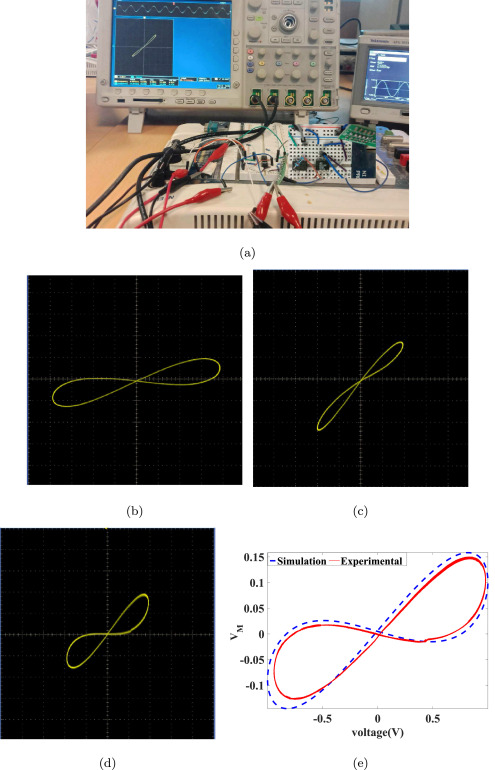
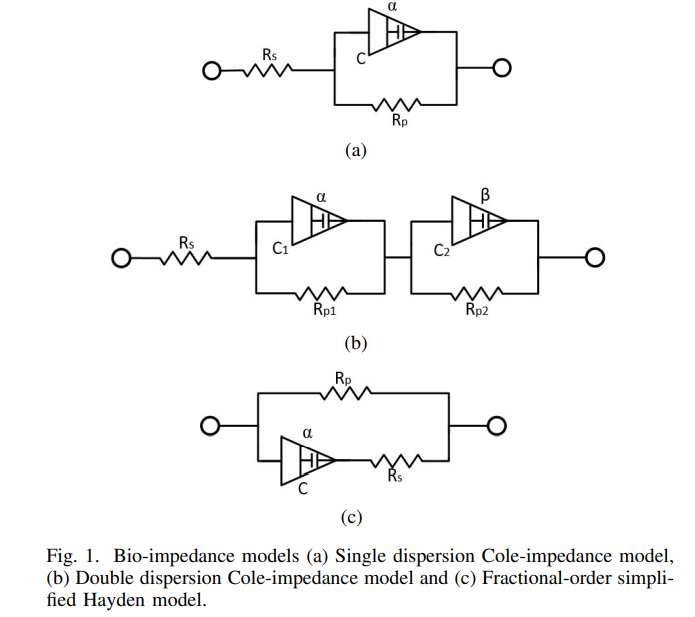
Do the Bio-impedance Models Exhibit Pinched Hysteresis?

Recently, pinched hysteresis has been found in the electrical modelling of regular plant tissues. Usually, the biological tissues are characterized in the frequency domain using bio-impedance analyzers without investigating the time domain, which would show the pinched hysteresis. In this paper, the current-voltage analysis of some of the widely known electrical bio-impedance models is studied

Circuit Theory and Applications
Conference Paper

Comparative Study of CNTFET Implementations of 1-trit Multiplier

Ternary logic has become a promising alternative to traditional binary logic due to low power consumption and reduced circuits such as interconnects and chip areas. The efficiency of the multiplier circuit can be much better using a ternary logic system. Carbon nanotube field-effect transistor (CNTFET) is a promising technology as it achieves more advantages than MOSFET due to its low off-current

Circuit Theory and Applications
Conference Paper

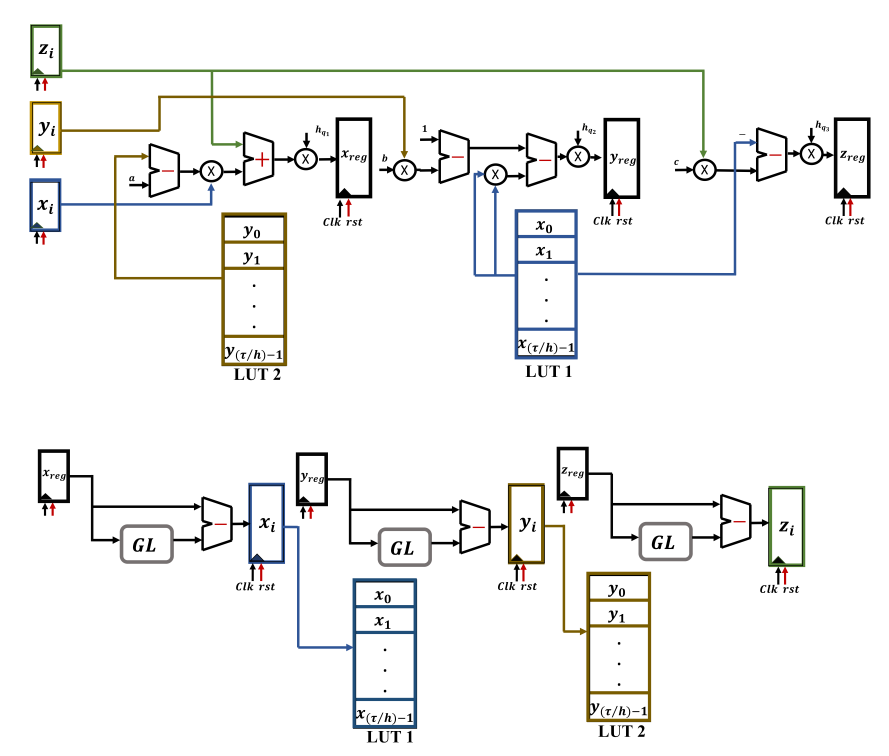
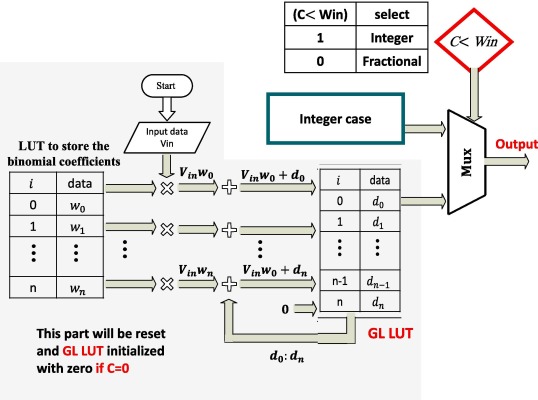
FPGA Implementation of Delayed Fractional-Order Financial Chaotic System

This paper proposes digital design and realization on Field-Programmable Gate Array (FPGA) of the Fractional-order (FO) delayed financial chaotic system. The system is solved numerically using the approximated Grünwald-Letnikov (GL) method. For the purpose of FPGA realization, the short memory principle and an approximate GL with limited window size are utilized. Lookup Tables (LUTs) are employed

Circuit Theory and Applications
Journal

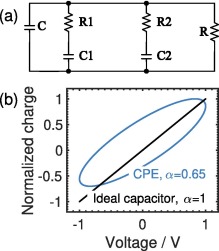
Nonlinear charge-voltage relationship in constant phase element

The constant phase element (CPE) or fractional-order capacitor is an electrical device that has an impedance of the form Z(s)=1/Cαsα, where Cα is the CPE parameter and α is a fractional dispersion coefficient of values between 0 and 1. Here we show that in the time-domain the classical linear charge-voltage relationship of ideal capacitors, q=C·v, is not valid for CPEs. In fact the relationship is

Circuit Theory and Applications
Journal

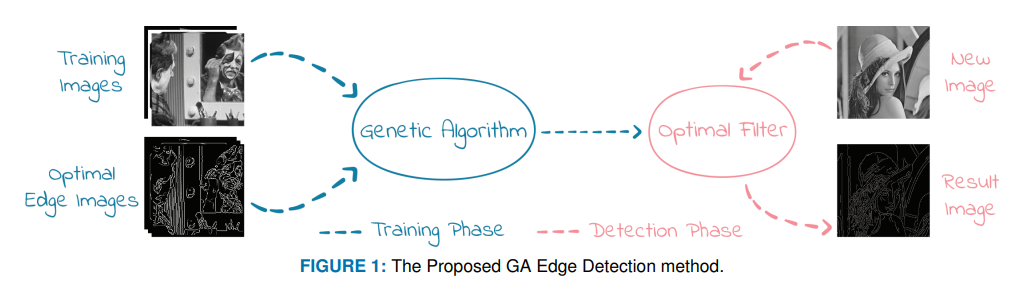
Optimized Edge Detection Technique for Brain Tumor Detection in MR Images

Genetic algorithms (GAs) are intended to look for the optimum solution by eliminating the gene strings with the worst fitness. Hence, this paper proposes an optimized edge detection technique based on a genetic algorithm. A training dataset that consists of simple images and their corresponding optimal edge features is employed to obtain the optimum filter coefficients along with the optimum

Artificial Intelligence
Healthcare
Circuit Theory and Applications
Journal

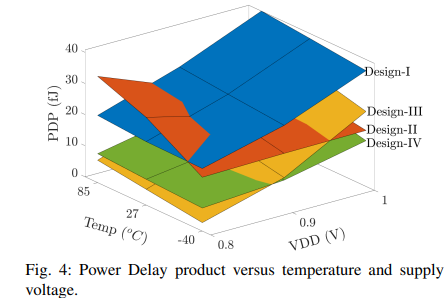
Emulation circuits of fractional-order memelements with multiple pinched points and their applications

This paper proposes voltage- and current-controlled universal memelements emulators. They are employed to realize the floating and grounded fractional-order memelements. The proposed emulators are implemented using different active blocks such as the second-generation current conveyor (CCII), Differential input double output transconductance amplifier (DOTA + ), balanced output CCII, and

Circuit Theory and Applications
Journal

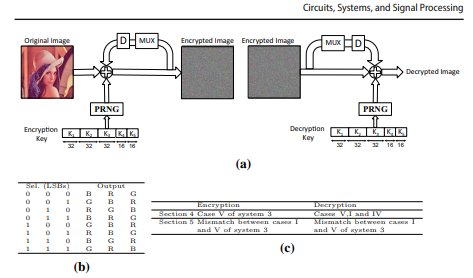
Software and Hardware Implementation Sensitivity of Chaotic Systems and Impact on Encryption Applications

This paper discusses the implementation sensitivity of chaotic systems added to their widely discussed sensitivities to initial conditions and parameter variation. This sensitivity can cause mismatches in some applications, which require an exact duplication of the system, e.g., chaos-based cryptography, synchronization and communication. Specifically, different implementation cases of three

Circuit Theory and Applications
Journal

Enhanced hardware implementation of a mixed-order nonlinear chaotic system and speech encryption application

This paper introduces a study for the effect of using different floating-point representations on the chaotic system's behaviour. Also, it offers a comparison between the attractors at three different orders, (integer, fractional, and mixed-order). This comparison shows the minimum number of bits needed for all parameters to simulate the chaotic attractor in each case. Numerical simulations using

Circuit Theory and Applications
Journal

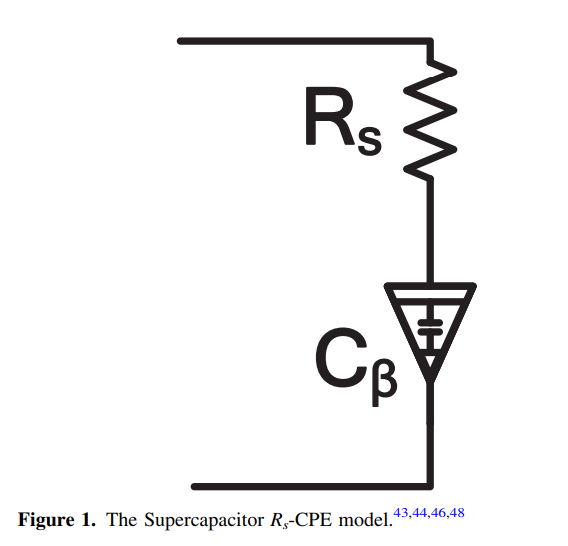
Optimal Charging and Discharging of Supercapacitors

In this paper, we discuss the optimal charging and discharging of supercapacitors to maximize the delivered energy by deploying the fractional and multivariate calculus of variations. We prove mathematically that the constant current is the optimal charging and discharging method under R s -CPE model of supercapacitors. The charging and round-trip efficiencies have been mathematically analyzed for

Circuit Theory and Applications
Research Tracks

1) Fractional-Order Systems

2) Memristor

3) Bifurcation

4) Encryption

5) Chaos
Projects
3
Research Project

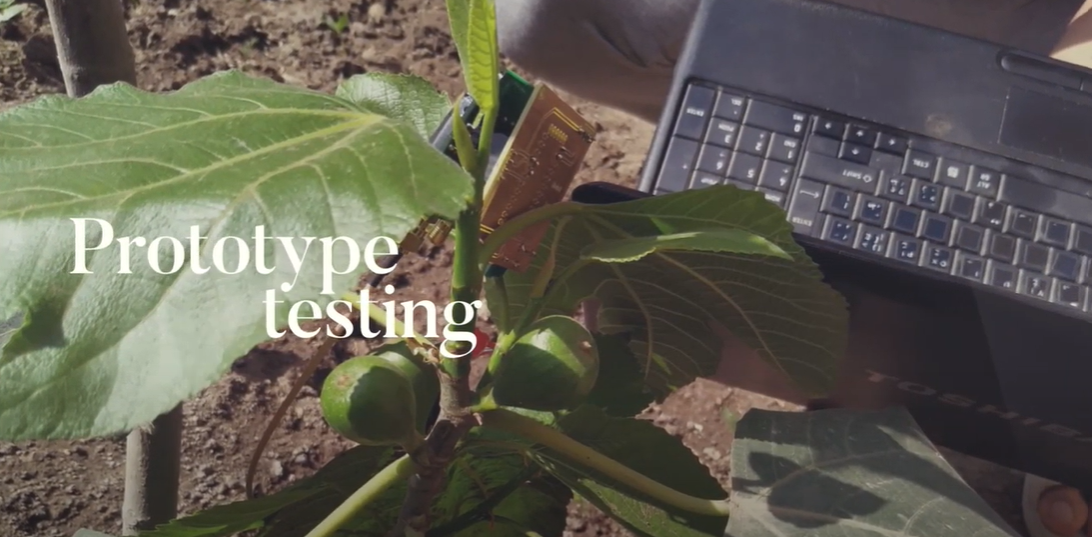
Wireless Monitoring of Fruit Growth Using an Electrical BioImpedance Sensor Device

The idea of this project is to graph the quality of fruits and vegetables similar to ECG in humans. The purpose of this project is to build a prototype for a portable wireless electronic device capable of measuring live tissue with fruits or vegetables using bioimpedance and some mathematical & electrical models then transmitting data to the base station. This project will add scientific and
Chaotic
Research Project

Software Algorithm and Hardware Implementations of Information Security Using Number Theory and Chaotic Systems

The project aims at proposing novel software algorithms for information security and their hardware implementations. The algorithms will utilize different methods based on number theory and chaos theory. Cryptography and information hiding systems will be developed for different media data types such as text, image, audio and video. The project will investigate different classes of symmetric
3
Research Project

FPGA/FPAA Implementation of Fractional-order Systems
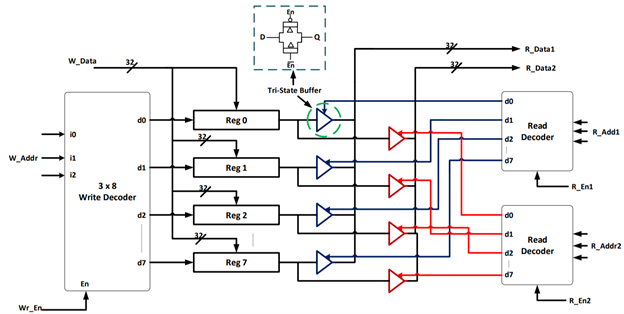
Fractional Calculus (FC) has been proved through numerous research examples to be a superior tool for system description to the narrow integer order domain. This is achieved through the extra parameters introduced by allowing the differential or integral orders to take non-integer values. The promising capabilities of fractional-order devices challenge the research to find a way to simulate its
5
Research Project

Ternary Logic Gates Design

Nowadays, the demand for building CNTFET-based ternary systems has been increasing. The current two-level binary logic and MOSFET technology have been facing limitations in chip size, design complexity, and power consumption. In this proposal, the method to design Ternary logic gates based on CNTFET and Memristor is proposed. Implementing Ternary Full-Adders and Multipliers is also discussed in
3
Research Project

Two Port Fractional-order Oscillators and Filters Suitable for Tissue Modeling
Objective: This project aims to study the relation between the mathematical fundamentals of fractional calculus and the concept of two-port circuit networks in the design of oscillators and filters with their analyses. These concepts will be applied to the Cole-Cole model, suitable for agriculture and biomedical applications tissue modelling. Outcomes: Literature Surveys (2 Journals + 2 Chapters)
1
Research Project

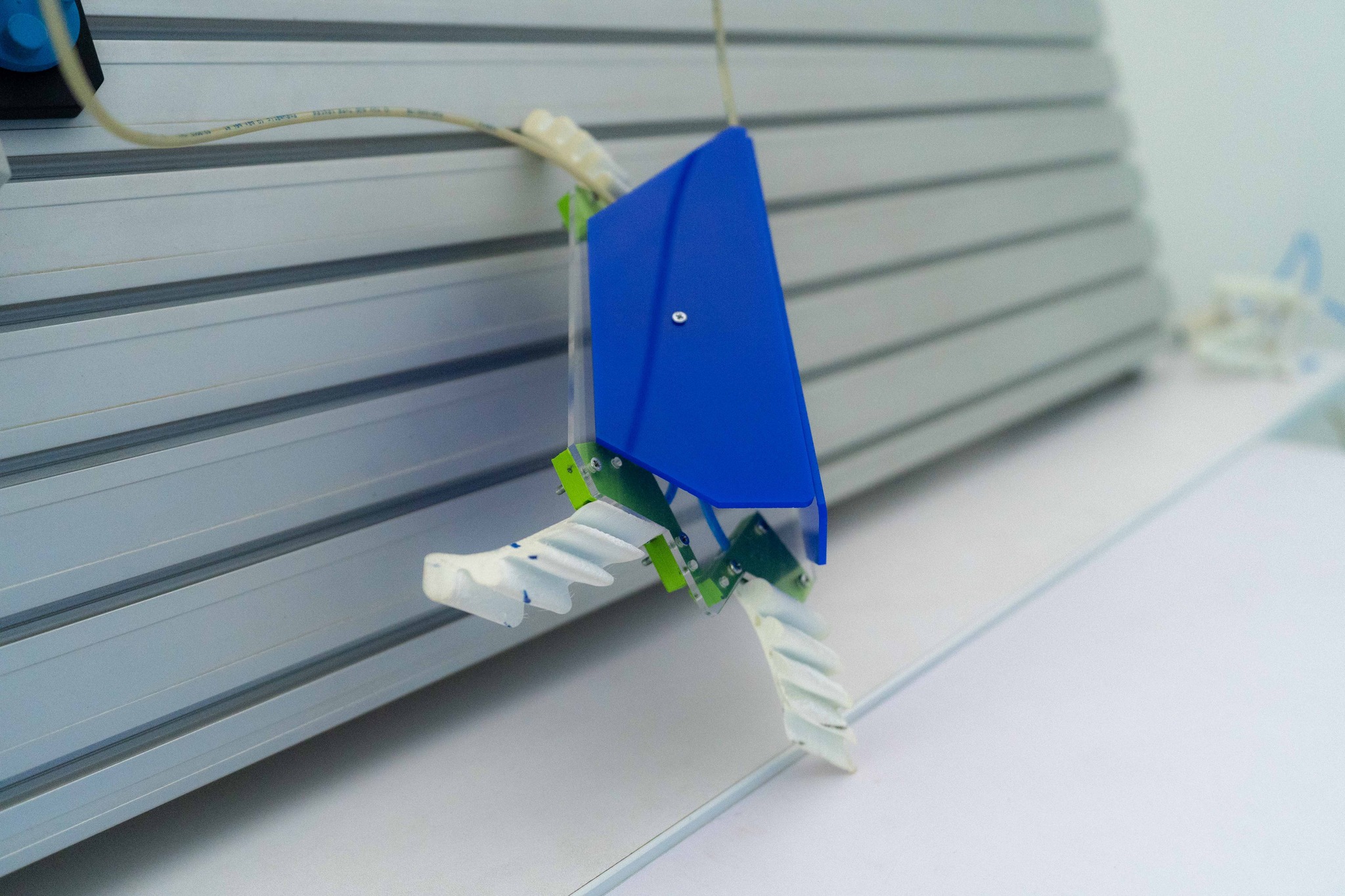
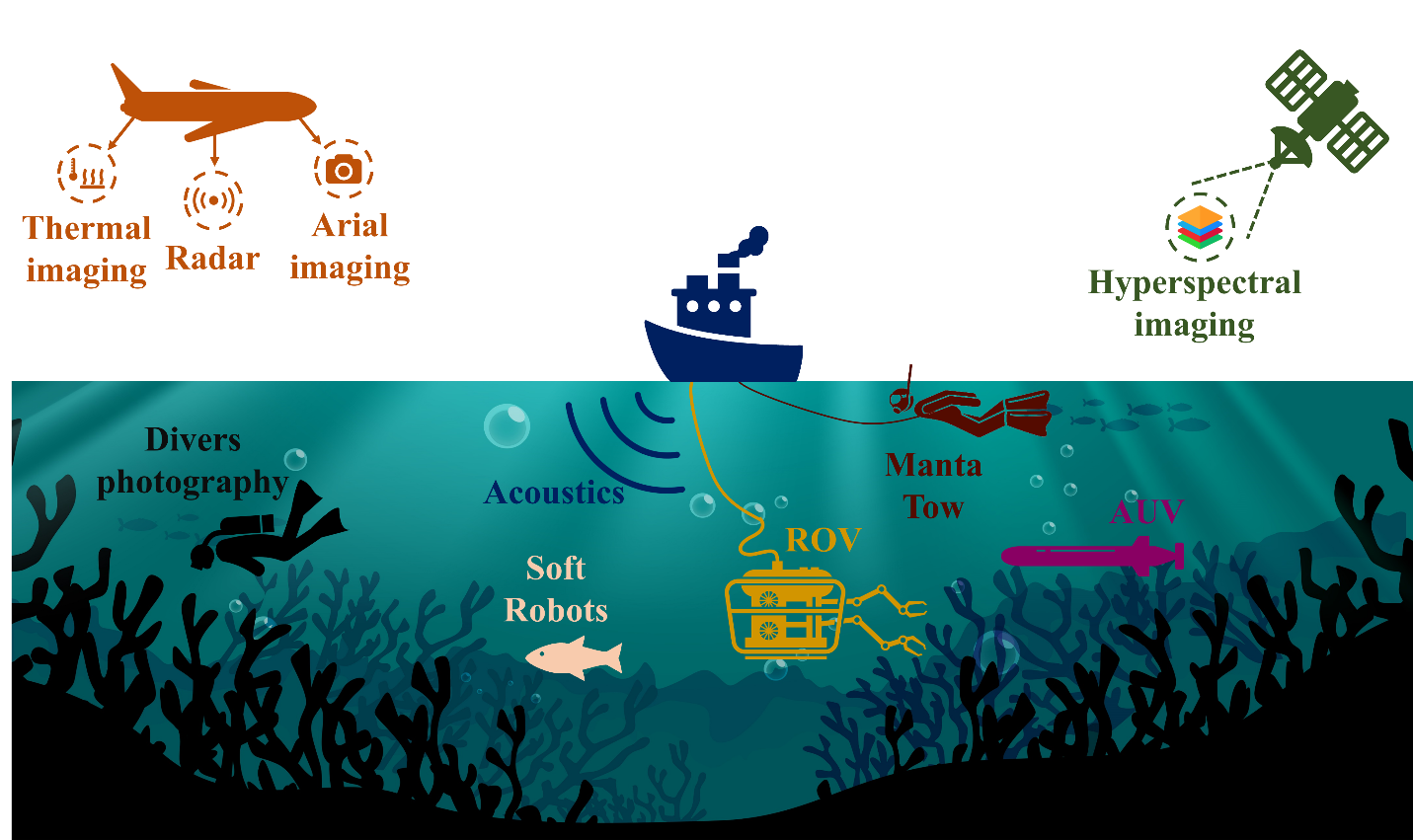
Development and Manufacturing of Soft Actuated Under Water Robotics
Objective/Contributions: Surveying research papers about transferring hard robot characteristics to soft one. Use additive manufacturing techniques to minimize the assembly process of the ROV actuator. Work on soft control and soft sensing system and study its ability to be used in soft robotics. Discuss biomimicking ROV. Create a hub for soft robotics at Nile University for participating in Egypt
00
Research Project

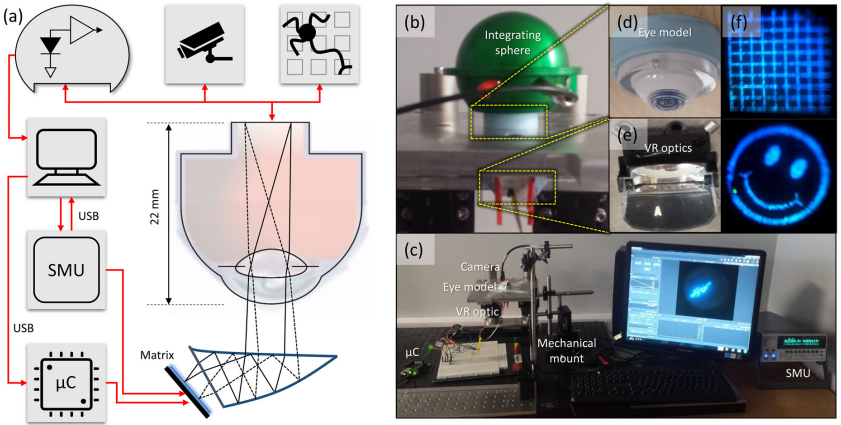
Fractional order Image Processing Platform for Retinal Pigmontosa Patients
Objective/Contributions: Investigation and categorization of the different methodologies in fractional operator discretization. Investigate the effect of the number of memory samples on the performance of different discretization schemes and recommend the scheme which gives the best performance for the least number of memory samples. Discuss the stability analysis of the discretized operators and
img
Research Project

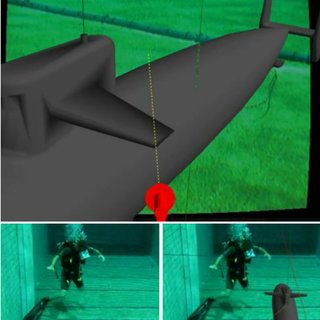
An Underwater AR based System for Marine Life Detection and Classification for Divers and Tourists
Objective/Contributions: Collecting and annotating an extensive dataset of fish images representing the fish species in the red sea. Building a machine learning model capable of detecting and classifying fish species from a real-time video. Building a proof-of-concept prototype for the AR hardware that is capable of capturing the live video of marine life, running the classification model, and
Research Project

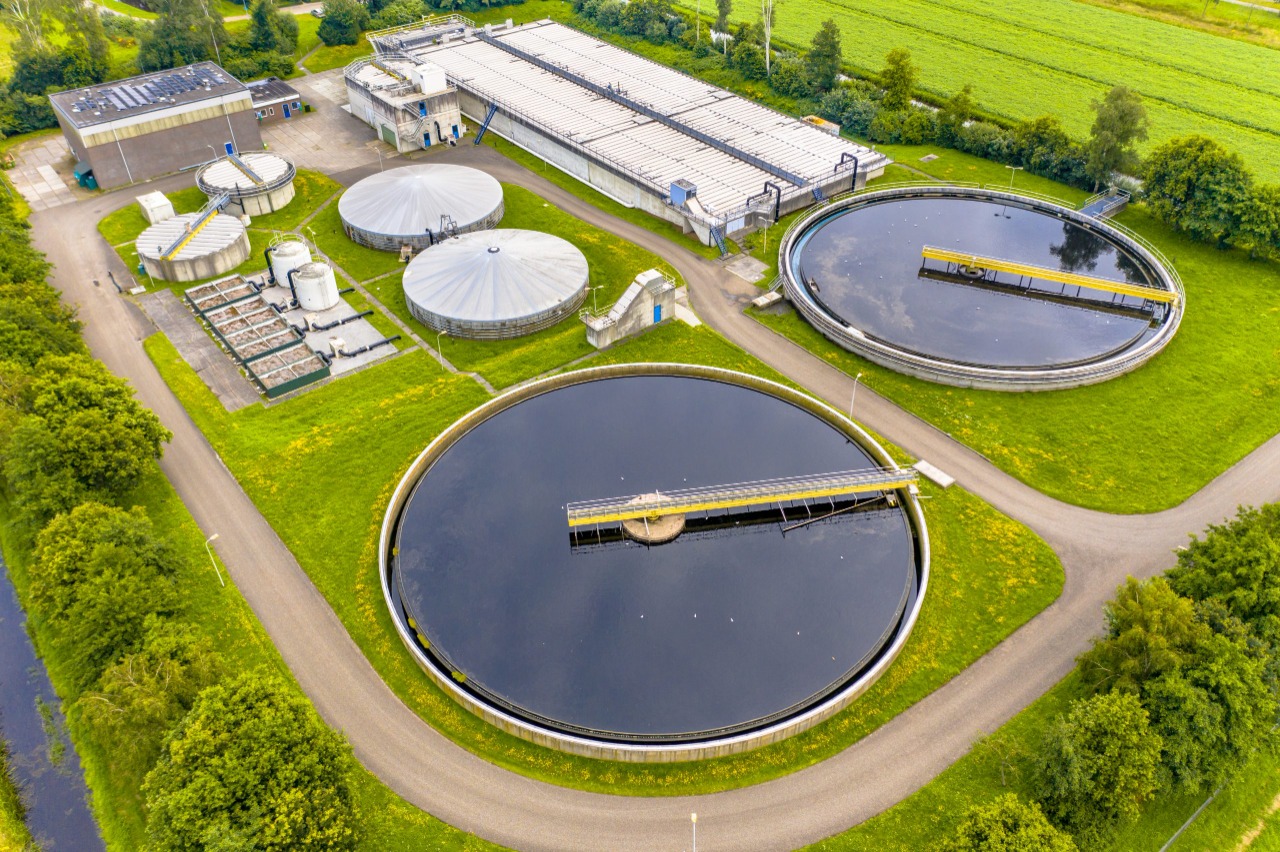
Multi-stage Low-cost Treatment of Dyes and Paints Wastewater by Coagulation, Adsorption, and Filtration for Reuse in Several Application
Objective/Contributions: Designing and constructing a low-cost, efficient, rapid environmentally friendly treatment system for textile and paint industries' recycling and treatment. Conducting a comprehensive literature database of all the reuse and treatment methods, in paints wastewater treatment and all the pilot plants, and treatment plants used success stories that successfully reduce the
77
Research Project

Bio-Mimetic Locomotion of Soft Turtle Robot

Abstract Amphibious robots have great potential for a variety of applications, but their design can be complex and expensive. Bio-inspired soft robotics offers a promising solution, as their actuators can perform evenly on land and underwater. Our robot takes inspiration from turtle locomotion as it bridges the gap between traditional four-legged robots and swimming robots. The robot can be
77
Research Project

Bio-inspired Soft Robot for Monitoring Coral Reefs

Abstract Coral reefs play a crucial role in supporting a quarter of all aquatic life, but their existence is now threatened by ongoing climate changes. Our project aims to develop an underwater soft robot that can mimic the morphology and shape of actual marine creatures and to imitate their swimming motion. This robot can play a critical role as monitoring platform to understand the reefs