




radwan.png

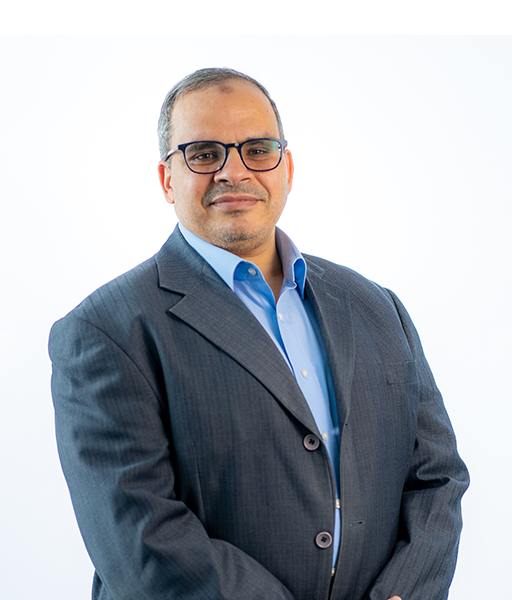
Prof. Ahmed Radwan

Professor

Faculty Office Ext.

1758

Faculty Building

UB2

Office Number

S21

Biography

Prof. Ahmed G. Radwan is Professor of Engineering Mathematics at Nile University, Egypt, and is currently on leave from Cairo University’s Department of Engineering Mathematics and Physics. He has held numerous senior academic and administrative positions, including Vice President for Research, Dean of Graduate Studies, Director of Research and Sponsored Projects, Director of the Nanoelectronics Integrated Systems Center, Acting Dean of Engineering and Applied Sciences, and Head of Marketing and Communications at Nile University. He has also served in leadership and visiting roles at Cairo University, KAUST in Saudi Arabia, and McMaster University in Canada. 

An internationally recognized researcher, Prof. Radwan works across engineering mathematics, fractional-order systems, nonlinear dynamics, chaotic circuits, circuit theory, secure communication, cryptosystems, and applied artificial intelligence. According to Scopus, he has published more than 500 indexed papers, received over 13,000 citations, and achieved an h-index of 58. He is also the author or co-author of 13 international books and 26 book chapters. His global standing is reflected in his repeated inclusion among Stanford/Elsevier’s World’s Top 2% Scientists and his ranking among Egypt’s leading researchers. 

His research combines mathematical theory with practical engineering applications, covering areas such as oscillators, filters, impedance matching, bioimpedance modeling, secure computation, and intelligent systems. He has supervised more than 50 Master’s and PhD students, with ten receiving best thesis awards, while many of his graduates have advanced to prominent academic, technical, and executive roles. 

Prof. Radwan has also made a major contribution to scientific capacity building. He founded the NILES International Conference and the Undergraduate Research Forum, initiatives that have engaged thousands of researchers, students, institutions, and international contributors. NILES has published more than 800 IEEE-indexed papers, while UGRF and related competitions have supported thousands of projects and contributed to awards, Scopus-indexed outputs, and more than 15 startups. 

His innovation record includes six US and international patents in areas such as oscillators, fractional-order impedance matching, digital chaotic systems, and pseudo-random number generation. He has also led or contributed to funded projects exceeding USD 1 million in secure communication, AI, smart agriculture, sensing, robotics, and environmental technologies. 

Beyond research, Prof. Radwan has served on major national and international scientific committees and currently chairs Egypt’s Basic Sciences Research Council. His many honors include national and regional awards for leadership, research excellence, engineering, applied sciences, and mathematical sciences.  
 

Recent Publications
Journal

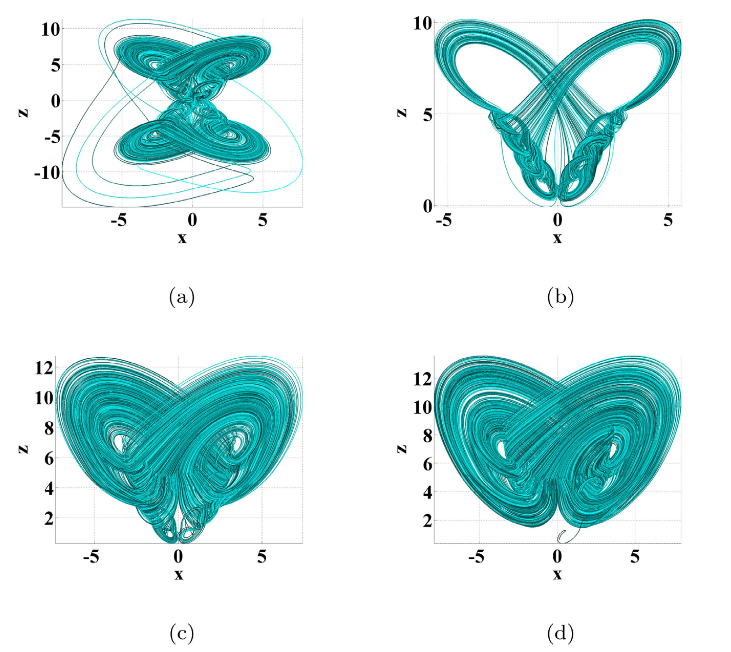
Fractional X-shape controllable multi-scroll attractor with parameter effect and FPGA automatic design tool software

This paper proposes a new fractional-order multi-scrolls chaotic system. More complex systems and flexible ranges of the chaotic behavior are obtained due to the extra parameters added by the fractional-order. The proposed system has novel complex chaotic behaviors. The effect of changing the system parameters on the system behavior is investigated and their bifurcation diagrams have been provided

Circuit Theory and Applications
Conference Paper

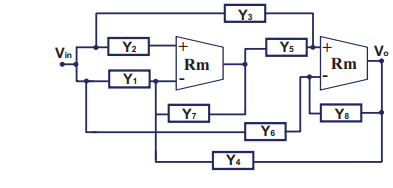
Multifunction fractional inverse filter based on otra

This paper proposes a generalized topology of a fractional-order inverse filter (FOF) using operational transresistance amplifiers (OTRA) block. Seven different configurations are extracted from the introduced topology employing generalized admittances. The generalized admittances increase the flexibility to provide different types of FOFs such as inverse fractional high pass filter (FHPF)

Circuit Theory and Applications
Journal

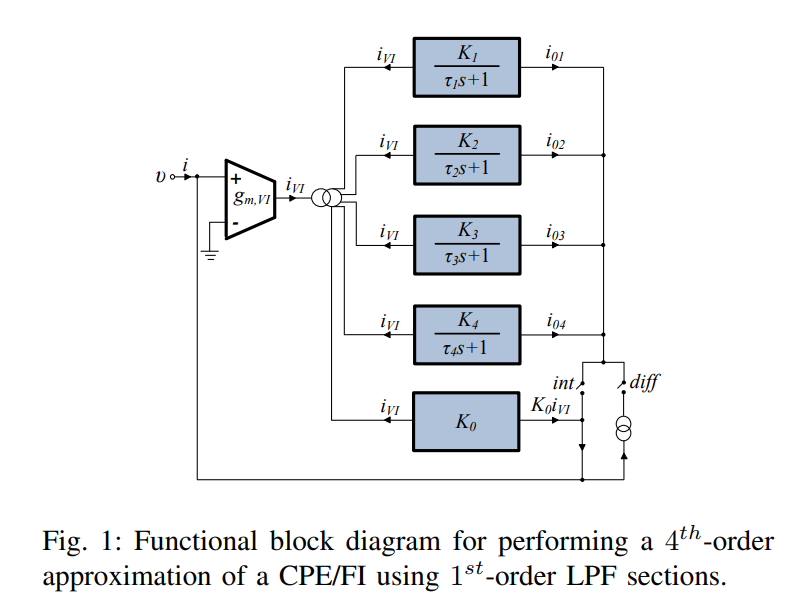
Partial fraction expansion–based realizations of fractional-order differentiators and integrators using active filters

Approximations of the fractional-order differentiator and integrator operators s±r are proposed in this work. These approximations target the realization of these operators using standard active filter transfer functions. Hence, circuit implementations in integrated circuit form or in discrete component form are significantly facilitated. Complementary metal-oxide-semiconductor (CMOS) realizations

Circuit Theory and Applications
Conference Paper

Log-domain implementation of fractional-order element emulators

Novel fractional-order capacitor and inductor em-ulators are presented in this work, which offer fully electronic tunability of their characteristics and, simultaneously, reduced circuit complexity compared to those already introduced in the literature. This has been achieved through the utilization of the log-domain filtering for implementing the approximation of the required fractional-order

Circuit Theory and Applications
Journal

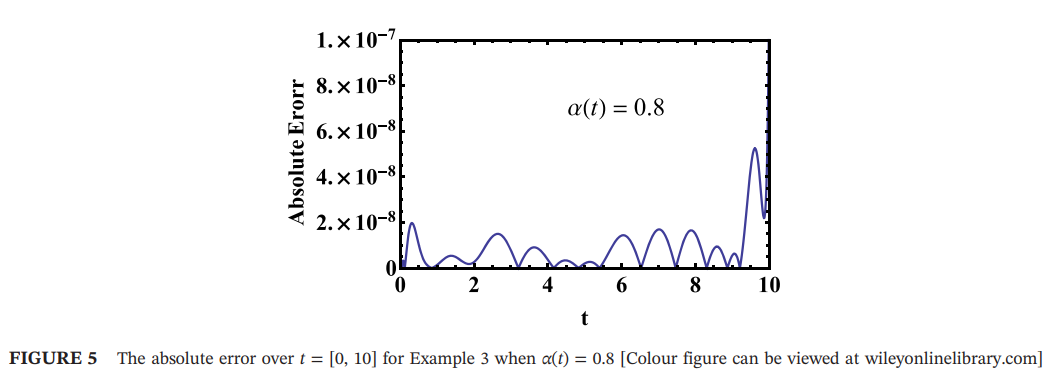
The minimax approach for a class of variable order fractional differential equation

This paper introduces an approximate solution for Liouville-Caputo variable order fractional differential equations with order 0

Circuit Theory and Applications
Conference Paper

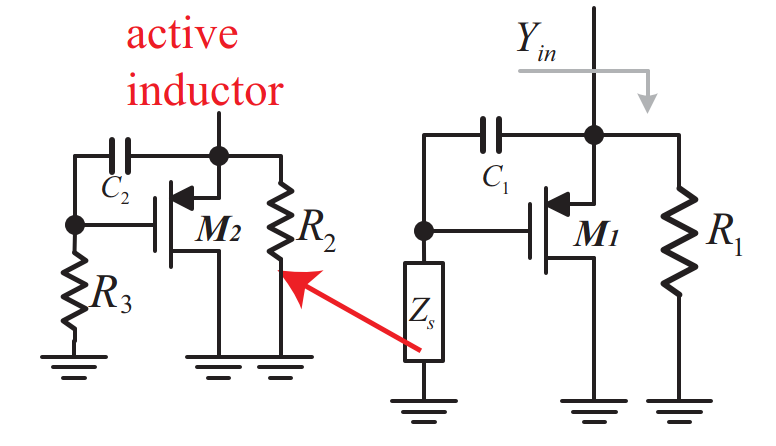
Simple MOS transistor-based realization of fractional-order capacitors

A new second-order MOS transistor based circuit block approximating the behavior of a fractional-order capacitor is proposed. The circuit is modular and therefore the order of the approximation can be increased by more stages of the same circuit in cascade or in parallel. Simulation results using a TSMC 65nm CMOS technology are provided and show less than 2o of phase error in two decades around

Circuit Theory and Applications
Journal

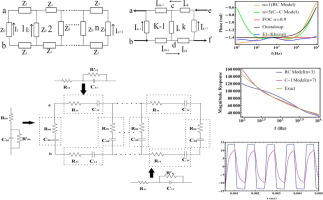
Realization of fractional-order capacitor based on passive symmetric network

In this paper, a new realization of the fractional capacitor (FC) using passive symmetric networks is proposed. A general analysis of the symmetric network that is independent of the internal impedance composition is introduced. Three different internal impedances are utilized in the network to realize the required response of the FC. These three cases are based on either a series RC circuit

Circuit Theory and Applications
Conference Paper

A Universal Fractional-Order Memelement Emulation Circuit

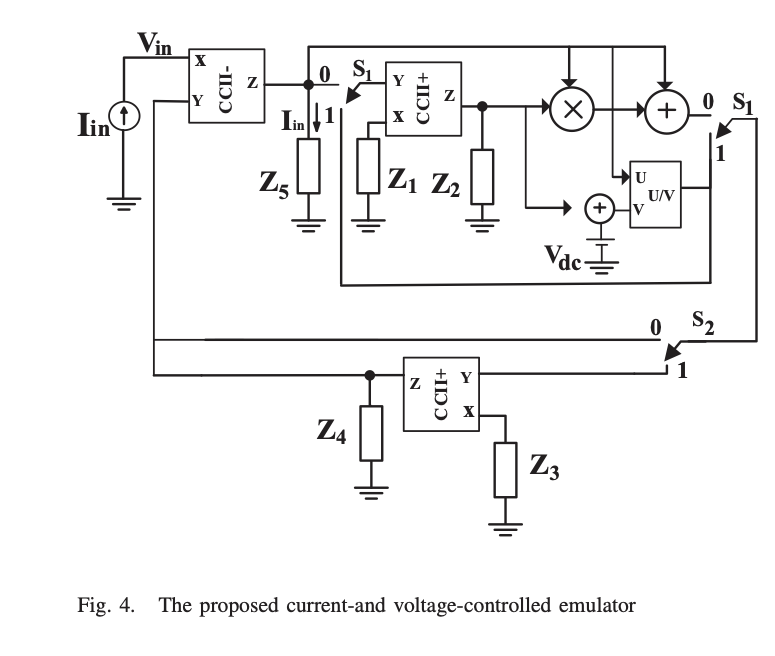
This paper proposes a current-/voltage-controlled universal emulator that can realize any fractional-order memelements (FOME). The proposed emulator consists of second-generation current conveyors (CCII) block, two switches, and a multiplier/divider block. The first switch controls the emulator mode (voltage or current), while, the other controls the type of the emulated FOME. The influence of the

Circuit Theory and Applications
Conference Paper

Permutation-Only FPGA Realization of Real-Time Speech Encryption

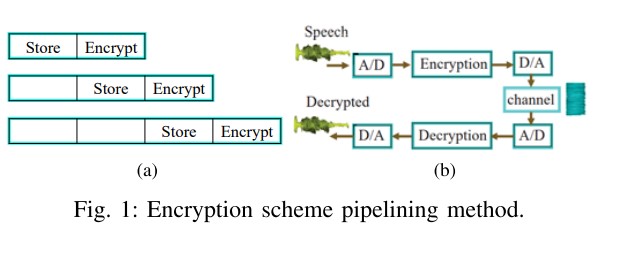
This paper introduces an FPGA design methodology of a sample and bit permutation speech encryption system. Pipelining method is used to build the proposed system, which can have different number of permutation levels. The security of the system is evaluated using entropy, Mean Squared Error (MSE) and correlation coefficients comparing the different permutation levels. The results demonstrate the

Circuit Theory and Applications
Research Tracks

1) Fractional-Order Systems

2) Memristor

3) Bifurcation

4) Encryption

5) Chaos
Projects
3
Research Project

Wireless Monitoring of Fruit Growth Using an Electrical BioImpedance Sensor Device

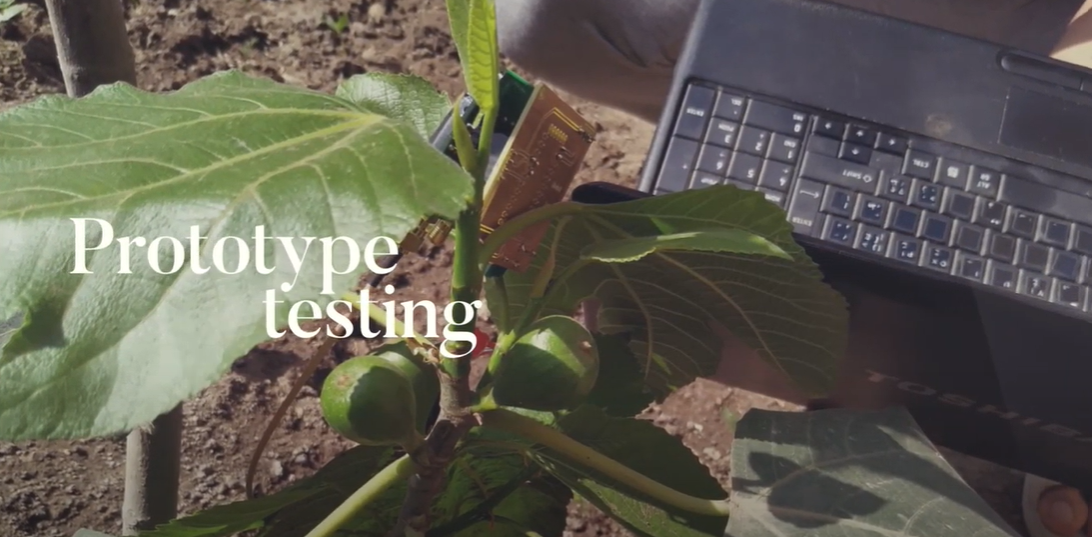
The idea of this project is to graph the quality of fruits and vegetables similar to ECG in humans. The purpose of this project is to build a prototype for a portable wireless electronic device capable of measuring live tissue with fruits or vegetables using bioimpedance and some mathematical & electrical models then transmitting data to the base station. This project will add scientific and
Chaotic
Research Project

Software Algorithm and Hardware Implementations of Information Security Using Number Theory and Chaotic Systems

The project aims at proposing novel software algorithms for information security and their hardware implementations. The algorithms will utilize different methods based on number theory and chaos theory. Cryptography and information hiding systems will be developed for different media data types such as text, image, audio and video. The project will investigate different classes of symmetric
3
Research Project

FPGA/FPAA Implementation of Fractional-order Systems
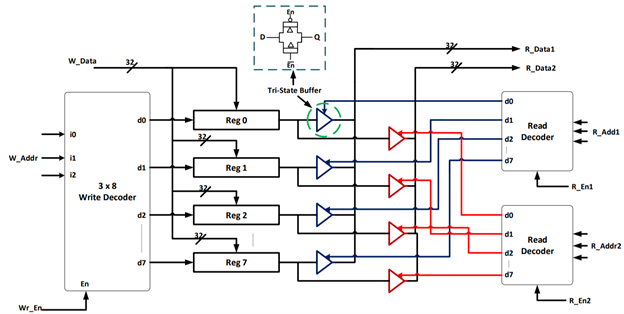
Fractional Calculus (FC) has been proved through numerous research examples to be a superior tool for system description to the narrow integer order domain. This is achieved through the extra parameters introduced by allowing the differential or integral orders to take non-integer values. The promising capabilities of fractional-order devices challenge the research to find a way to simulate its
5
Research Project

Ternary Logic Gates Design

Nowadays, the demand for building CNTFET-based ternary systems has been increasing. The current two-level binary logic and MOSFET technology have been facing limitations in chip size, design complexity, and power consumption. In this proposal, the method to design Ternary logic gates based on CNTFET and Memristor is proposed. Implementing Ternary Full-Adders and Multipliers is also discussed in
3
Research Project

Two Port Fractional-order Oscillators and Filters Suitable for Tissue Modeling
Objective: This project aims to study the relation between the mathematical fundamentals of fractional calculus and the concept of two-port circuit networks in the design of oscillators and filters with their analyses. These concepts will be applied to the Cole-Cole model, suitable for agriculture and biomedical applications tissue modelling. Outcomes: Literature Surveys (2 Journals + 2 Chapters)
1
Research Project

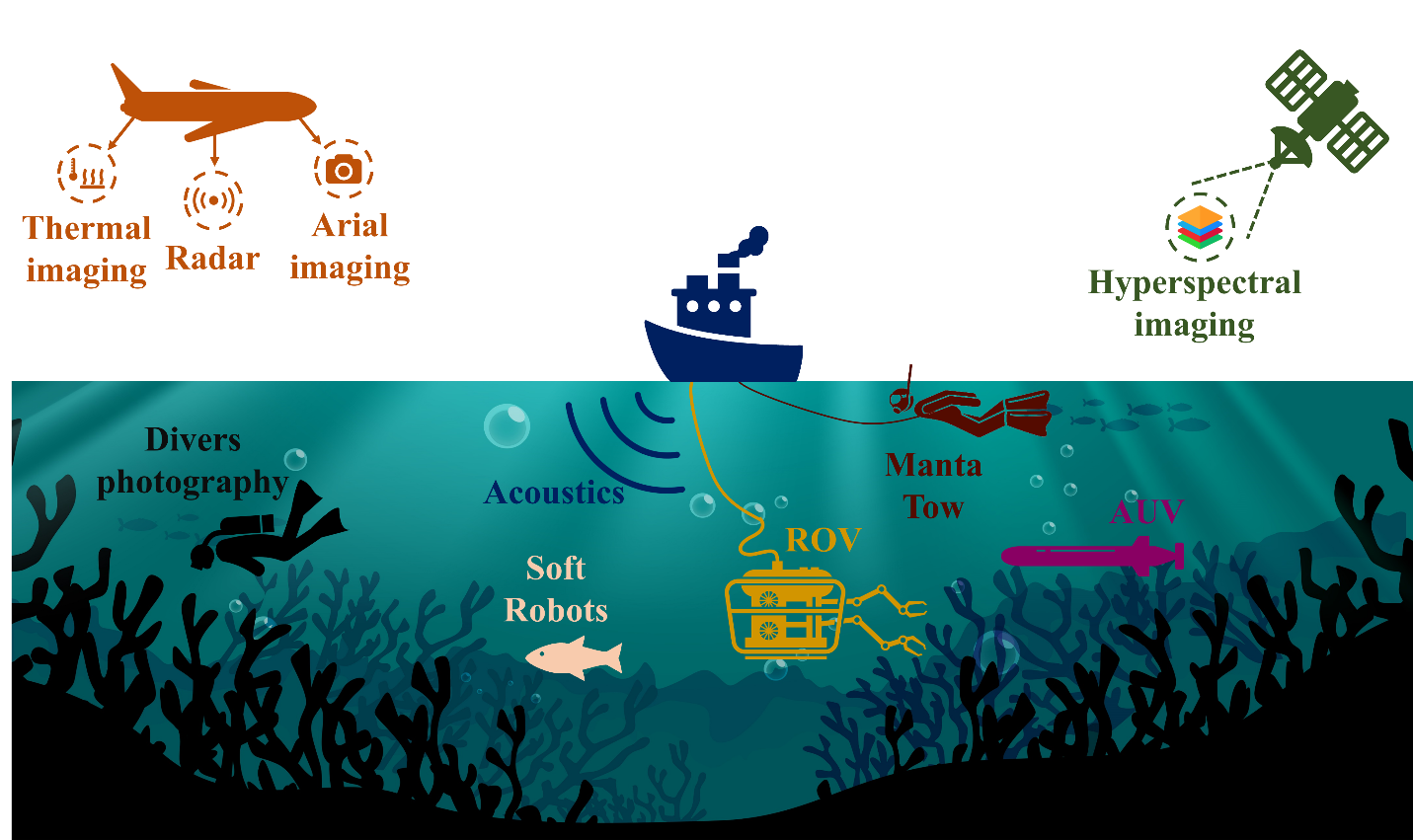
Development and Manufacturing of Soft Actuated Under Water Robotics
Objective/Contributions: Surveying research papers about transferring hard robot characteristics to soft one. Use additive manufacturing techniques to minimize the assembly process of the ROV actuator. Work on soft control and soft sensing system and study its ability to be used in soft robotics. Discuss biomimicking ROV. Create a hub for soft robotics at Nile University for participating in Egypt
00
Research Project

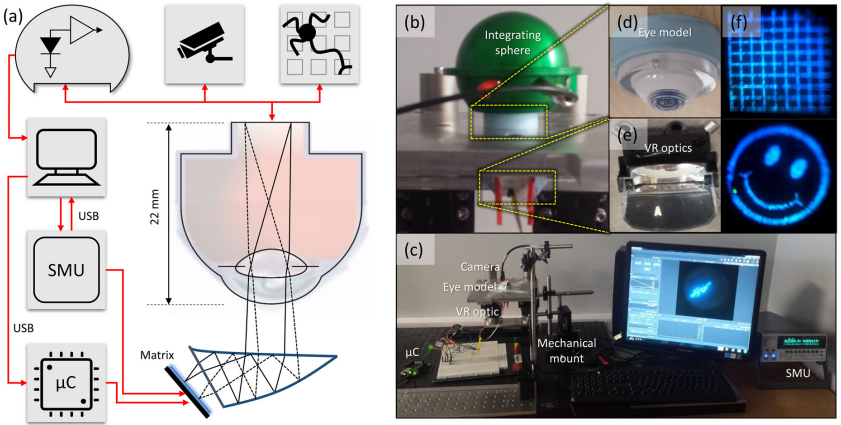
Fractional order Image Processing Platform for Retinal Pigmontosa Patients
Objective/Contributions: Investigation and categorization of the different methodologies in fractional operator discretization. Investigate the effect of the number of memory samples on the performance of different discretization schemes and recommend the scheme which gives the best performance for the least number of memory samples. Discuss the stability analysis of the discretized operators and
img
Research Project

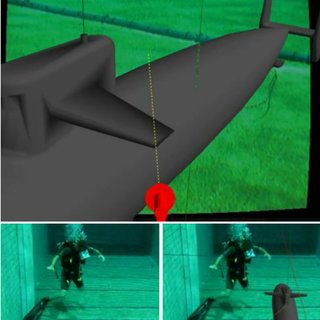
An Underwater AR based System for Marine Life Detection and Classification for Divers and Tourists
Objective/Contributions: Collecting and annotating an extensive dataset of fish images representing the fish species in the red sea. Building a machine learning model capable of detecting and classifying fish species from a real-time video. Building a proof-of-concept prototype for the AR hardware that is capable of capturing the live video of marine life, running the classification model, and
Research Project

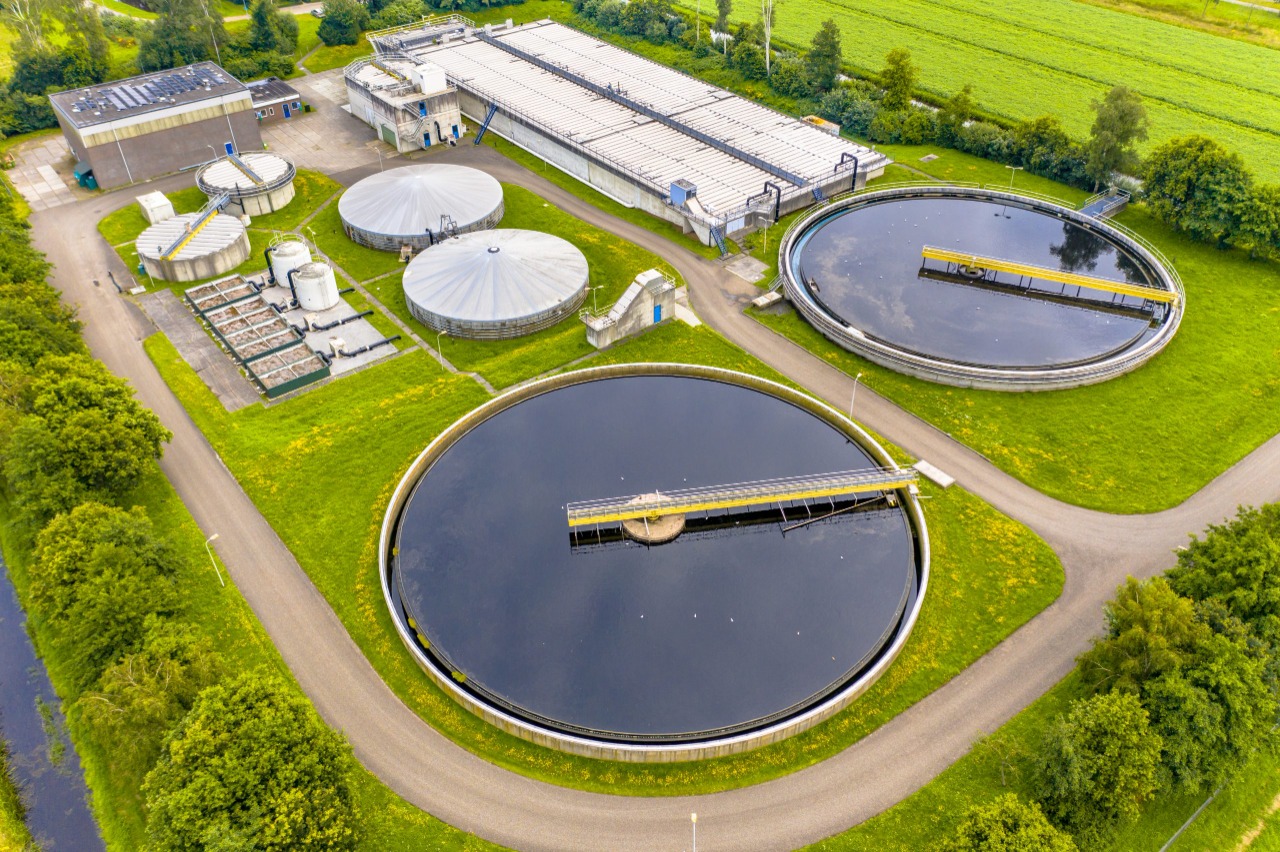
Multi-stage Low-cost Treatment of Dyes and Paints Wastewater by Coagulation, Adsorption, and Filtration for Reuse in Several Application
Objective/Contributions: Designing and constructing a low-cost, efficient, rapid environmentally friendly treatment system for textile and paint industries' recycling and treatment. Conducting a comprehensive literature database of all the reuse and treatment methods, in paints wastewater treatment and all the pilot plants, and treatment plants used success stories that successfully reduce the
77
Research Project

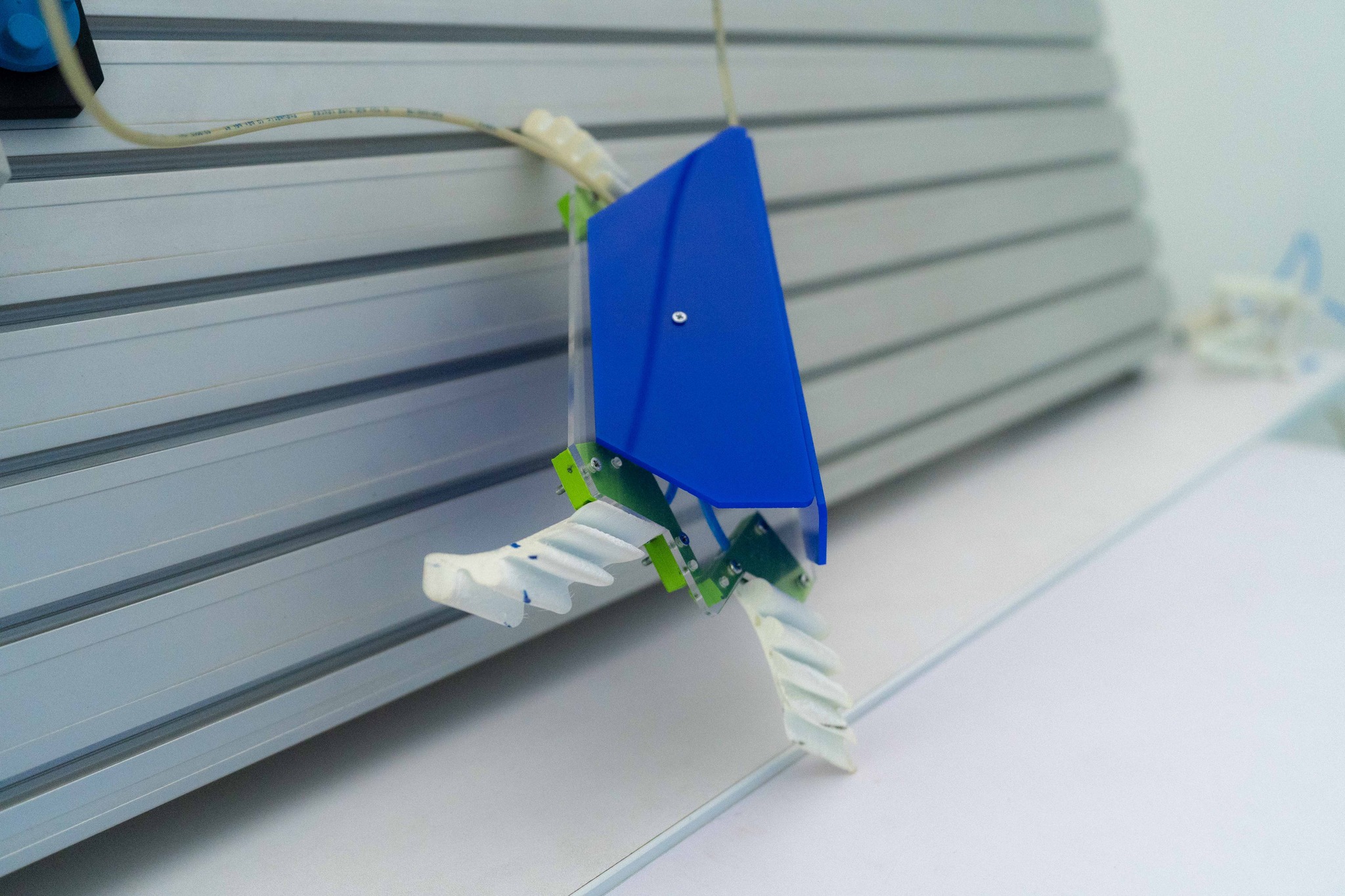
Bio-Mimetic Locomotion of Soft Turtle Robot

Abstract Amphibious robots have great potential for a variety of applications, but their design can be complex and expensive. Bio-inspired soft robotics offers a promising solution, as their actuators can perform evenly on land and underwater. Our robot takes inspiration from turtle locomotion as it bridges the gap between traditional four-legged robots and swimming robots. The robot can be
77
Research Project

Bio-inspired Soft Robot for Monitoring Coral Reefs

Abstract Coral reefs play a crucial role in supporting a quarter of all aquatic life, but their existence is now threatened by ongoing climate changes. Our project aims to develop an underwater soft robot that can mimic the morphology and shape of actual marine creatures and to imitate their swimming motion. This robot can play a critical role as monitoring platform to understand the reefs