



Publications
Publications
Filter by
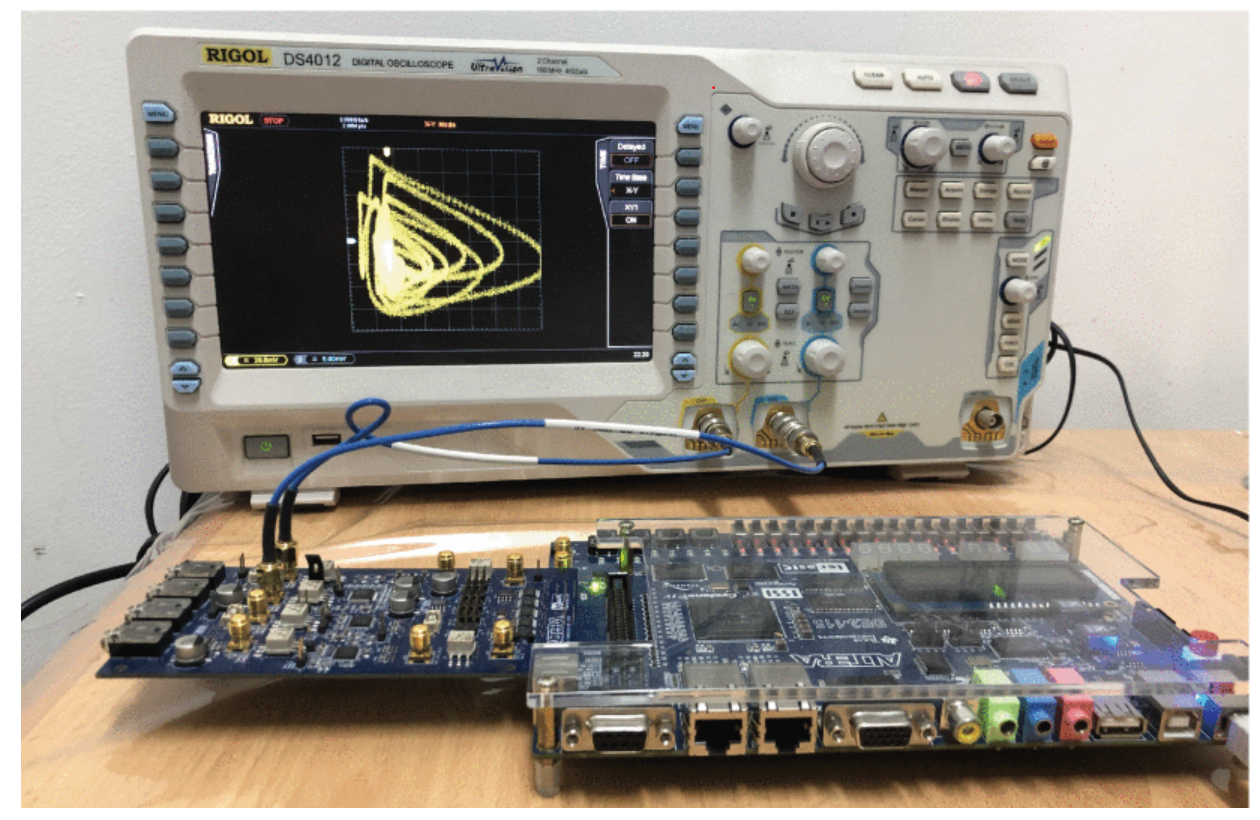
FPGA Realizations of Chaotic Epidemic and Disease Models including Covid-19
The spread of epidemics and diseases is known to exhibit chaotic dynamics; a fact confirmed by many developed mathematical models. However, to the best of our knowledge, no attempt to realize any of these chaotic models in analog or digital electronic form has been reported in the literature. In this work, we report on the efficient FPGA implementations of three different virus spreading models
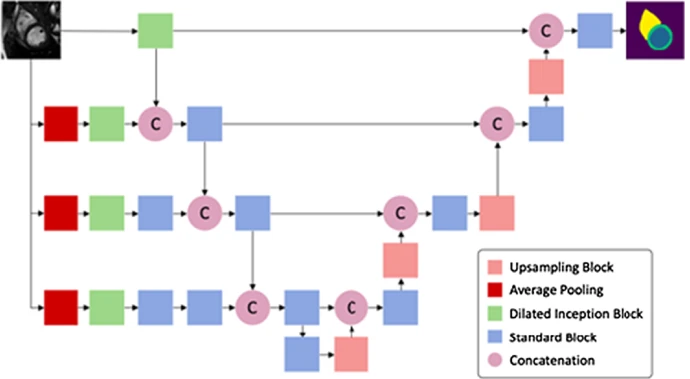
Multi-center, Multi-vendor, and Multi-disease Cardiac Image Segmentation Using Scale-Independent Multi-gate UNET
Heart segmentation in Cardiac MRI images is a fundamental step to quantify myocardium global function. In this paper, we introduce a pipeline for heart localization and segmentation that is fast and robust even in the apical slices that have small myocardium. Also, we propose an enhancement to the popular U-Net architecture for segmentation. The proposed method utilizes the aggregation of
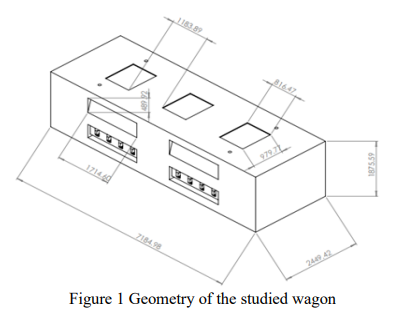
Regression Modeling for the Ventilation Effect on COVID-19 Spreading in Metro Wagons
The effect of different ventilation parameters on the infection potential of COVID-19 in a metro wagon is numerically studied. Two key indicators are used to quantify this potential. Based on the numerical results a regression analysis is performed to come up with the most suitable regression model for these key parameters. The proposed regression models are helpful in quantifying the infection
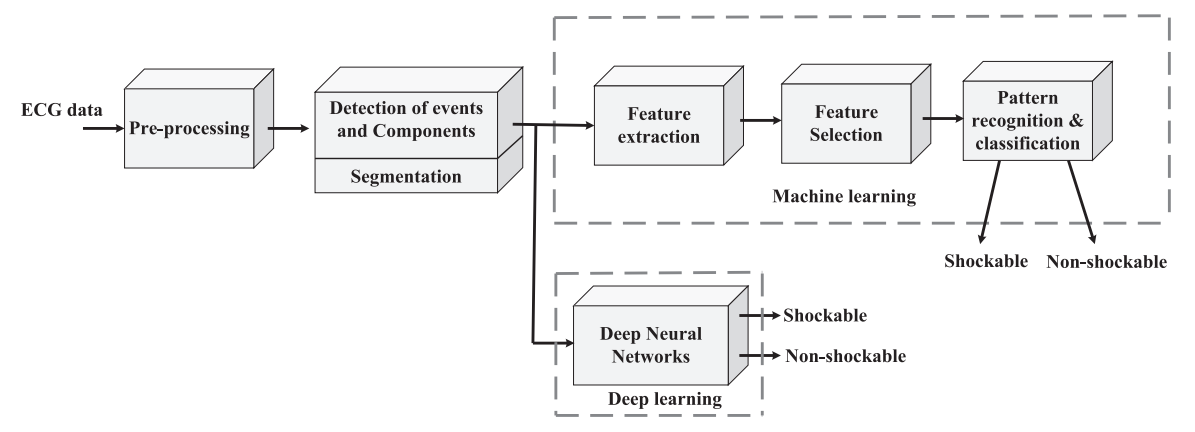
Automated detection of shockable ECG signals: A review
Sudden cardiac death from lethal arrhythmia is a preventable cause of death. Ventricular fibrillation and tachycardia are shockable electrocardiographic (ECG)rhythms that can respond to emergency electrical shock therapy and revert to normal sinus rhythm if diagnosed early upon cardiac arrest with the restoration of adequate cardiac pump function. However, manual inspection of ECG signals is a
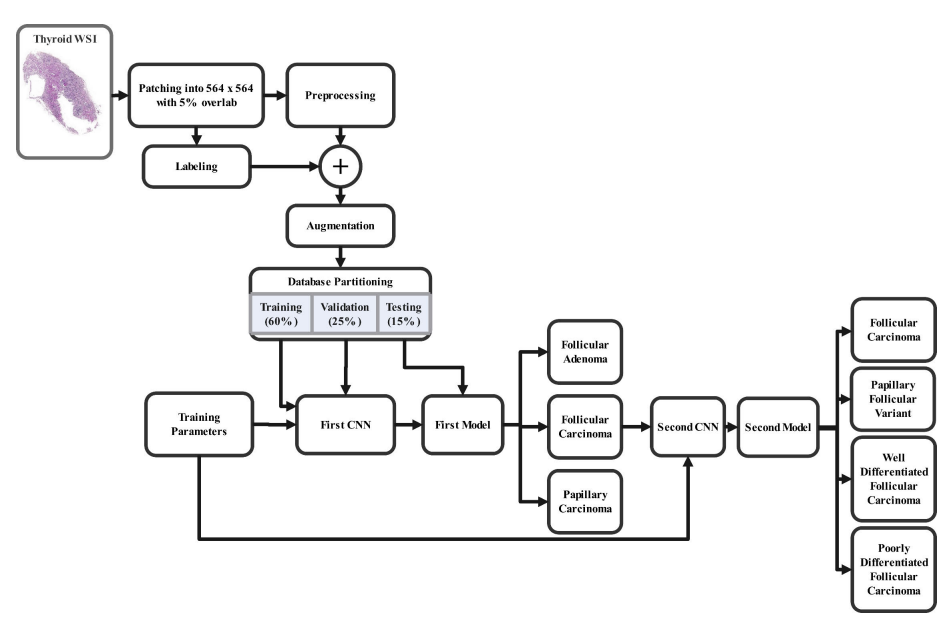
Classification of Thyroid Carcinoma in Whole Slide Images Using Cascaded CNN
The objective of this research is to build a 'Whole Slide Images' classification system using Convolutional Neural Network (CNN). This system is capable of classifying Thyroid tumors into three types: Follicular adenoma, follicular carcinoma, and papillary carcinoma. Furthermore, the cascaded CNN technique is additionally employed to classify the classified follicular carcinoma into four
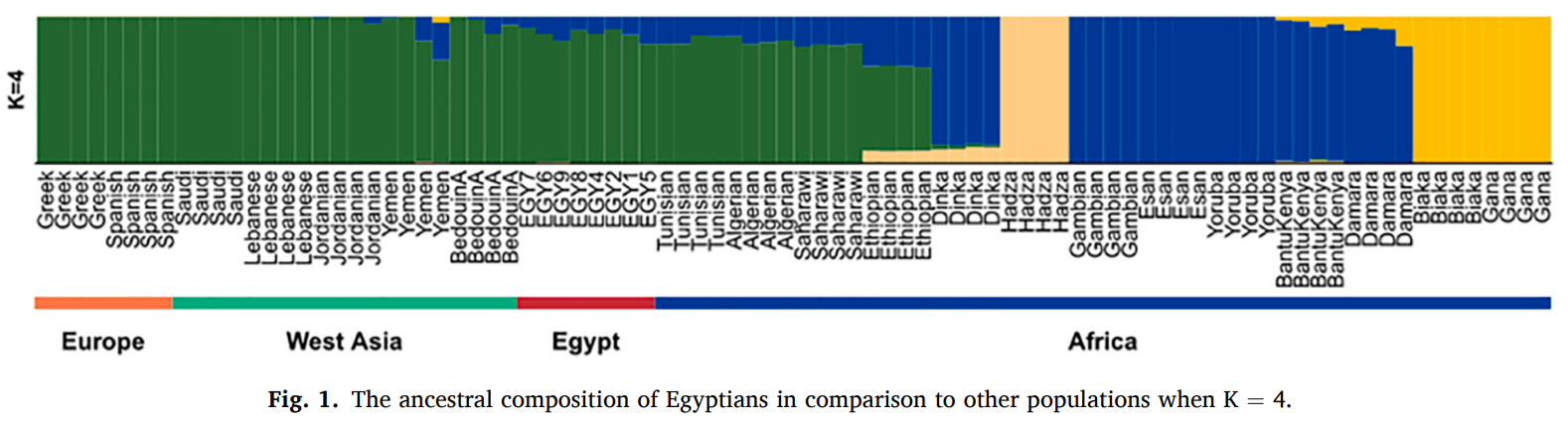
Complete genome sequence and bioinformatics analysis of nine Egyptian females with clinical information from different geographic regions in Egypt
Egyptians are at a crossroad between Africa and Eurasia, providing useful genomic resources for analyzing both genetic and environmental factors for future personalized medicine. Two personal Egyptian whole genomes have been published previously by us and here nine female whole genome sequences with clinical information have been added to expand the genomic resource of Egyptian personal genomes
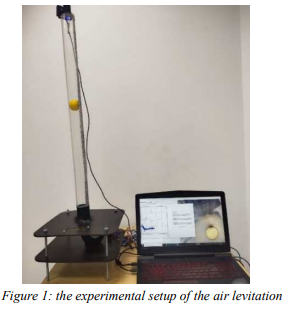
Modeling of Nonlinear Enhanced Air Levitation System using NARX Neural Networks
the proposed paper aims to design and model an air levitation system, which is a highly nonlinear system because of its fast dynamics and low damping. The system is trained using a Nonlinear Autoregressive model with exogenous input (NARX model). An enhanced height measurement system, modified setup, and several training techniques have been used to overcome the restrictions that the non-linearity
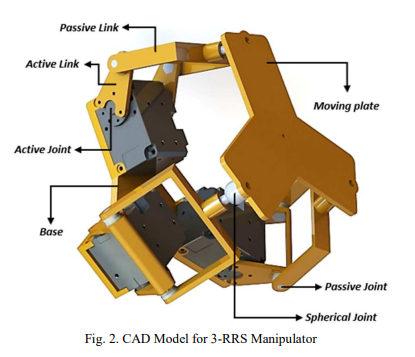
Design, simulation, and kinematics of 9-DOF Serial-Parallel Hybrid Manipulator Robot
Serial manipulator robot is one of the most advanced robots in the last decade. The demand for this type of robot leads the researchers to develop and improve the robot to increase its workspace, speed and to minimize the control complexity. This paper presents a novel robot configuration that combines a 6 DOF serial manipulator with a 3 DOF spherical parallel wrist. The serial manipulator is KUKA
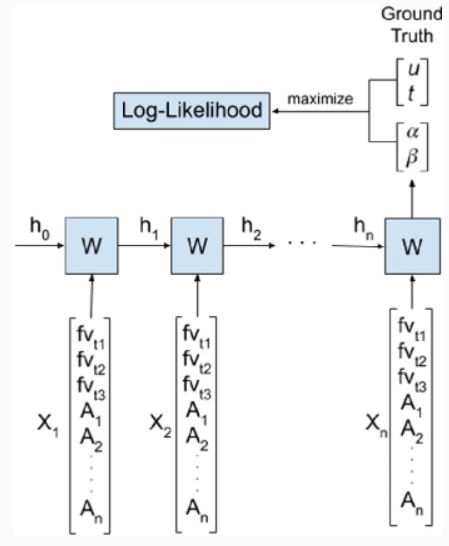
Predicting Remaining Cycle Time from Ongoing Cases: A Survival Analysis-Based Approach
Predicting the remaining cycle time of running cases is one important use case of predictive process monitoring. Different approaches that learn from event logs, e.g., relying on an existing representation of the process or leveraging machine learning approaches, have been proposed in literature to tackle this problem. Machine learning-based techniques have shown superiority over other techniques

Hybrid feature selection model based on relief-based algorithms and regulizer algorithms for cancer classification
Cancer is a group of diseases that involve abnormal cell growth with the potential to spread to other parts of the body. Cancer microarray data usually include a small number of samples with a large number of gene expression levels as features. Gene expression or microarray is a technology that monitors the expression of the large number of genes in parallel that make it useful in cancer