



Publications
Publications
Filter by
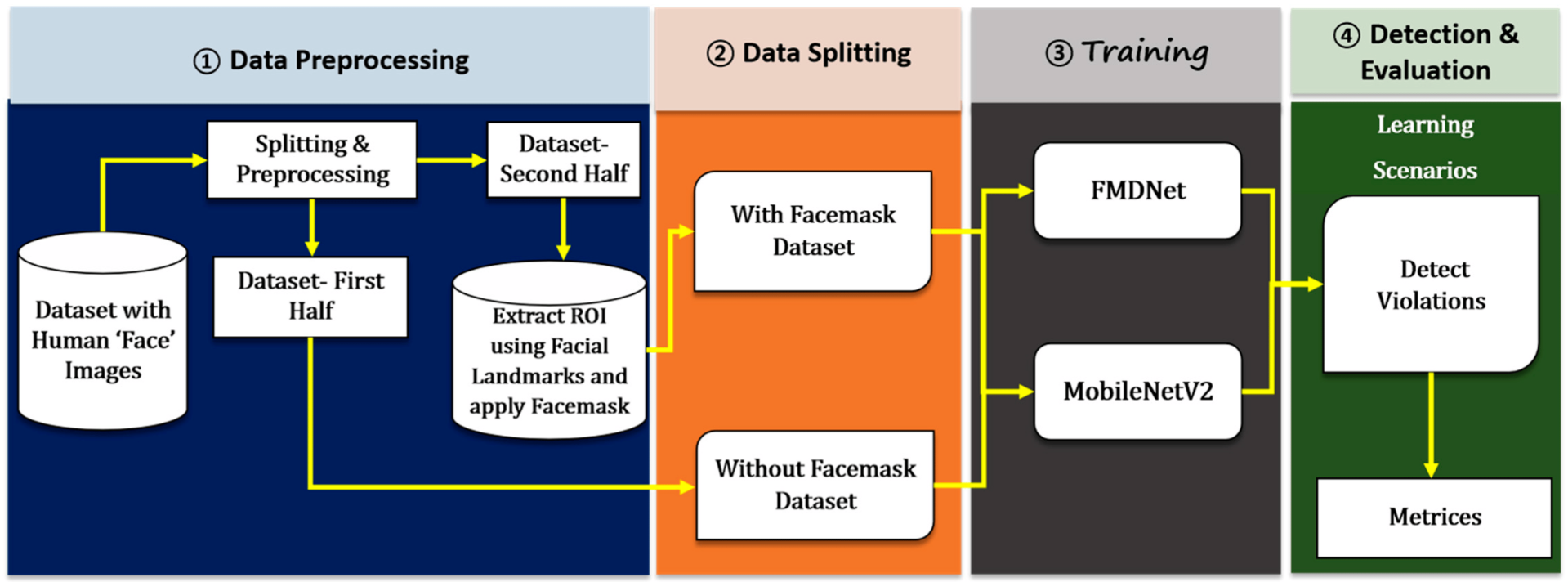
Light-Weight Face Mask Detector
People's lives have been severely disrupted recently due to the COVID-19 outbreak's fast worldwide proliferation and transmission. An option for controlling the epidemic is to make individuals wear face masks in public. For such regulation, automatic and effective face detection systems are required. A facial mask recognition model for real-time video-recorded streaming is provided in this
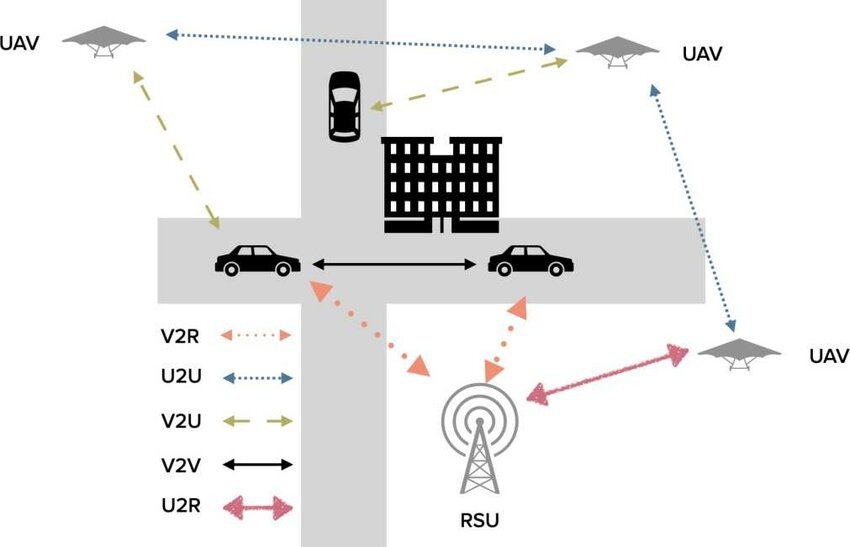
Intrusion Detection in VANETs and ACVs using Deep Learning
There are many novel techniques for intrusion detection in vehicular ad hoc networks and autonomous and connected vehicles. Detecting and reporting an attack is the main responsibility of an Intrusion detection system (IDS). Deep learning is used to make IDS smarter and more accurate. It implies other challenges on the other hand. This paper covers the proposed IDS based deep learning solutions
IoT Microchip AVR Microcontroller's Fuses and Lock Bits High Voltage Programmer
This paper proposes a reliable wireless configuration bits programmer for remotely resetting incorrectly-written Microchip AVR microcontrollers' Fuses and Lock Bits. The incorrect configuration bits programming leads critically to a micro-controller malfunction which requires correct reprogramming. The proposed programmer utilizes Wi-Fi for enabling the remote configuration bits programming via a

Light-Weight Face Shape Classifier for Real-Time Applications
Deep neural networks (DNNs) are memory and computationally intensive; hence they are difficult to apply to real-time systems with limited resources. Therefore, the DNN models need to be carefully optimized. The solution was a model based on a convolutional neural network (CNN) called MobileNet that decreases the computational and space complexities with classification precision loss by utilizing
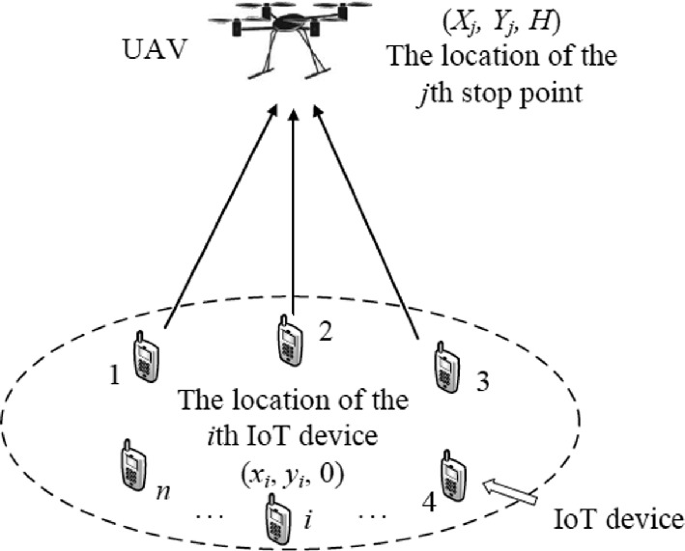
UAV-Assisted IoT Data Collection Optimization Using Gaining-Sharing Knowledge Algorithm
Unmanned aerial vehicles (UAVs) provide an energy-efficient and robust solution for data collection from the internet of things (IoT) devices. However, the UAV’s deployment optimization, including locations of the UAV’s stop points, is necessary to save the overall energy consumption and conduct the data collection efficiently. Thus, the objective is to minimize the energy consumption of the UAV
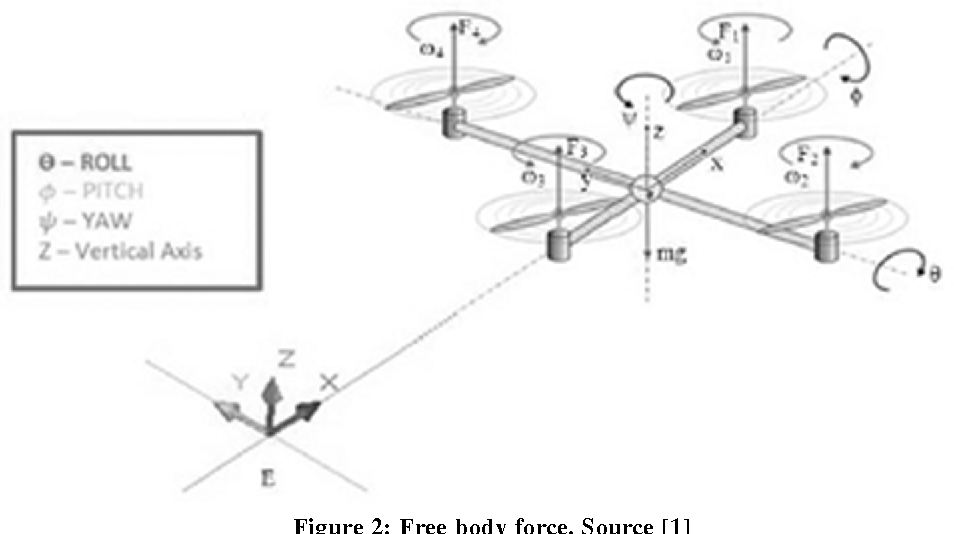
Self Balancing Quad-Copter Using PID Controller
Unmanned Aerial Vehicle (UAV) technology is considered one of the important technologies at present, which is believed to solve many problems in the future, such as delivering small-weighted goods, agriculture, and civil fields. This research paper presents the mathematical model of a quadcopter that was developed as an example of an unmanned aerial vehicle. The MATLAB and Simulink environment
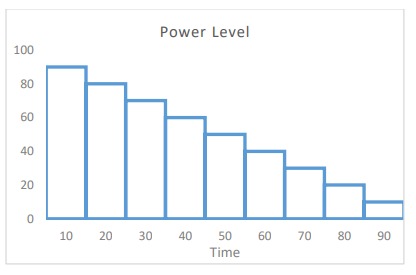
Ad-hoc Networks Performance based on Routing Protocol Type
There are many situations where there is a need for certain devices to be connected in a network independently without having a heavy infrastructure or human interventions to configure and connect them. This type of network is called ad-hoc networks. The key concern with such networks is how nodes communicate with each other and exchange information efficiently and securely. The issue with ad hoc
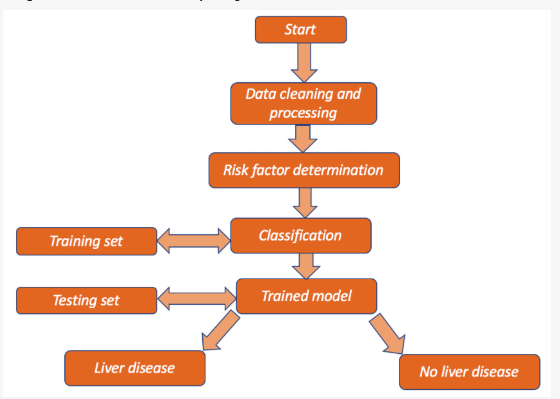
Liver Disease Diagnosis using Tree-Based Machine Learning Algorithms
Liver Disease (LD) is a lethal yet relatively common disorder that is impacting the lives of millions across the world, causing slow yet irreversible internal organ damage or total organ failure if left untreated. In this study, LD is determined as the damage a Liver sustained due to excessive drug or alcohol abuse and other causes which leave severe scarring on the Liver leading to permanent

Threshold Energy Based LEACH-K Effect on the Accessibility of Wireless Sensor Networks
This paper aims to deliver an exhaustive investigation on the threshold energy parameter's direct impact on the Cluster Head (CH) selection phase in Low-Energy Adaptive Clustering Hierarchy Based on K-Means (LEACH-K) protocols. The most prominent threshold energy selection criterion out of the scarcely available research on the LEACH-K threshold energy parameter is used to simulate the LEACH-K
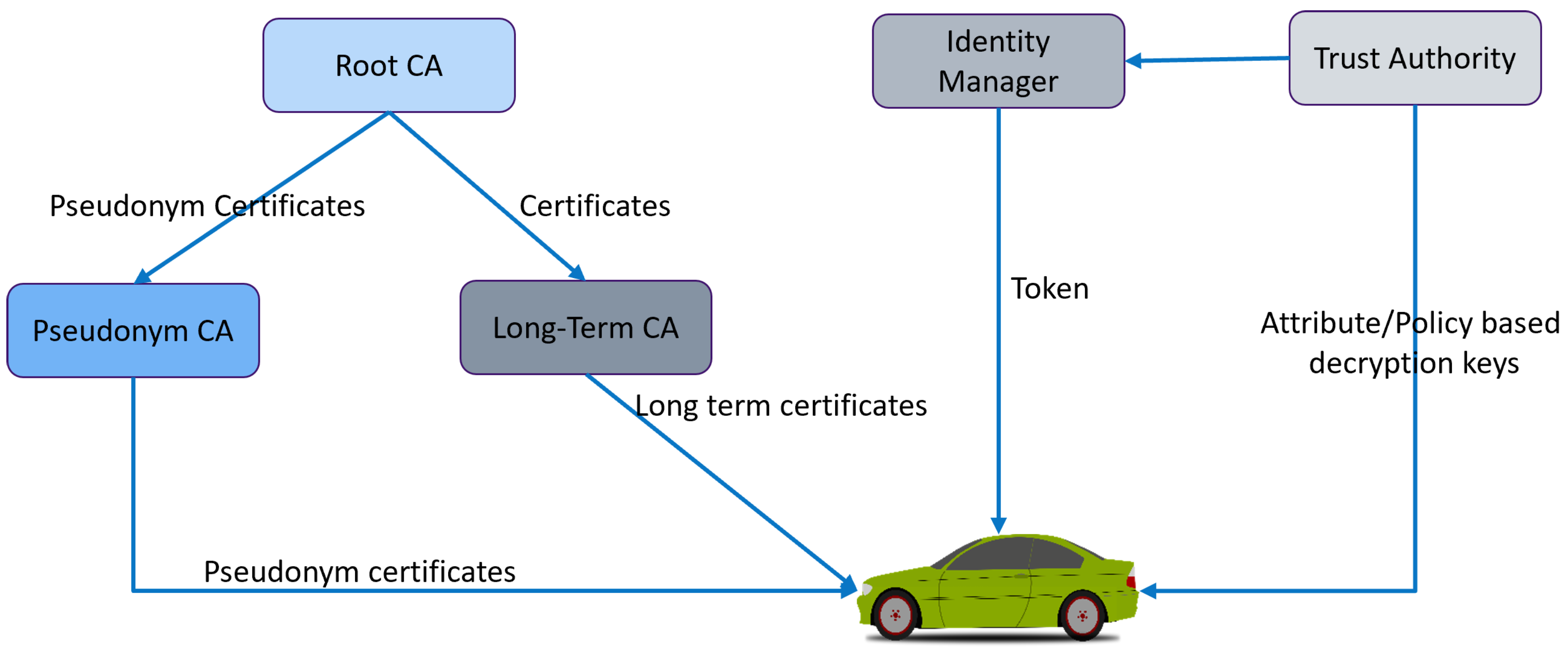
Developing Smart Control Platoon Algorithm for Secure VANET Environment
A vehicular ad hoc network (VANET) is a part of smart transportation. As a result of the vehicles being able to communicate with one another and share sensitive information, it is necessary to have an environment that can be trusted. Vehicles are clustered into platoons to ensure the secure transfer of information between them and select the platoon head of each platoon to control the vehicles