





Dr. Mustafa Elattar

Dr. Mustafa Elattar

Program Director of Artificial Intelligence (AI)

Faculty Office Ext.

1754

Faculty Building

UB1

Office Number

210

Biography

Mustafa Elattar was born in Cairo, Egypt, in 1986. He is a distinguished expert in biomedical engineering, medical imaging, image analysis, and artificial intelligence. He began his academic career at Cairo University, earning a bachelor's degree in Systems and Biomedical Engineering in 2008. He later pursued his Ph.D. in Biomedical Engineering and Physics at the Faculty of Medicine, University of Amsterdam, graduating in 2016. His doctoral research at the Academic Medical Center focused on preoperative planning for transcatheter aortic valve implantation (TAVI), demonstrating his strength in applying advanced computational methods to improve clinical outcomes. 

Following his Ph.D., Dr. Elattar completed a postdoctoral fellowship at the Netherlands Cancer Institute (NKI), where he contributed to cutting-edge research in image-guided radiotherapy. In August 2017, he joined Nile University as an Assistant Professor at the School of Information Technology and Computer Science and currently serves as the Director of the Artificial Intelligence undergraduate program. He has been instrumental in shaping the next generation of AI leaders in Egypt and driving innovation across multiple governmental and healthcare institutions. 

Dr. Elattar brings a unique blend of academic insight and industrial experience, having held R&D roles at Diagnosoft Inc., 3mensio B.V., Pie Medical N.V., and Myocardial Solutions Inc. In 2018, he founded Intixel Co. S.A.E., a company dedicated to AI-powered healthcare solutions, where he continues to serve as CEO. He also co-founded Ramyro Inc., a U.S. company providing intelligent medical software and AI orchestration tools for radiology and diagnostics, where he is currently the CTO and Vice President. 

Dr. Elattar has authored more than 100 publications in peer-reviewed journals and conferences and has secured national and international research grants. His work bridges academia, industry, and clinical impact—driving forward the use of AI in medical diagnostics, digital transformation, and patient-centered care. ‎ 

Achievements
  1. Initiated the first African network for AI and Medical imaging enthusiasts, researchers and scientists.
  2. IVLP Impact Award from U.S. Department of State (2022).
  3. Best poster award at the Novel Intelligent and Leading Emerging Sciences Conference (2019).
  4. Top 5 startups in Young Business Hub Entrepreneurship Investment Summit, Bahrain (2019).
  5. Fareed Bader Award in World Entrepreneurs and Investments Forum (WEIF) (2019).
  6. Pitch deck winner and winning the best Health-tech startup at Takeoff Istanbul International Startup Summit after being evaluated by the jury members and 150+ mentors (2019).
  7. Top 10 Startups to be selected for the “2WiN Mentoring Program” supported by the German Chamber of Commerce (2019).
  8. Best poster in the Postgraduate Research Forum, Nile University (2018).
  9. Best Support for research assistant from Nile University (2018).
  10. Best Support for research assistant from Banque Misr (2017).
  11. 3rd place in Left ventricular segmentation challenge from cardiac MRI (STACOM 2011).
  12. Best poster in Image Analysis and Recognition Conference (2010).
  13. Full scholarship for master’s studies at Nile University (2008).
  14. Fourth Place in Made in Egypt (MIE) competition for the best graduation project (2007).
Recent Publications
Conference Paper

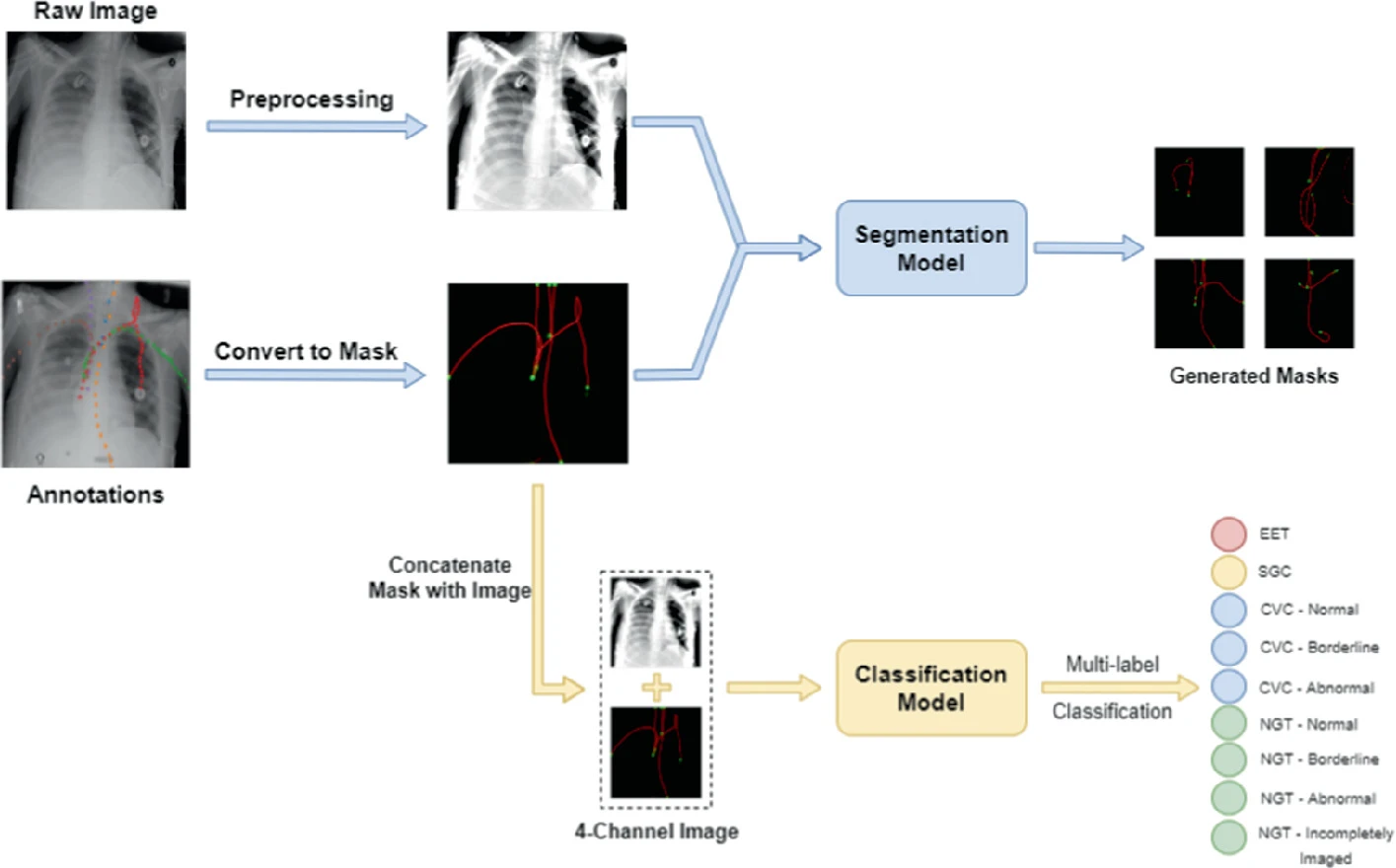
Efficient Pipeline for Rapid Detection of Catheters and Tubes in Chest Radiographs

Catheters are life support devices. Human expertise is often required for the analysis of X-rays in order to achieve the best positioning without misplacement complications. Many hospitals in underprivileged regions around the world lack the sufficient radiology expertise to frequently process X-rays for patients with catheters and tubes. This deficiency may lead to infections, thrombosis, and

Artificial Intelligence
Healthcare
Circuit Theory and Applications
Software and Communications
Conference Paper

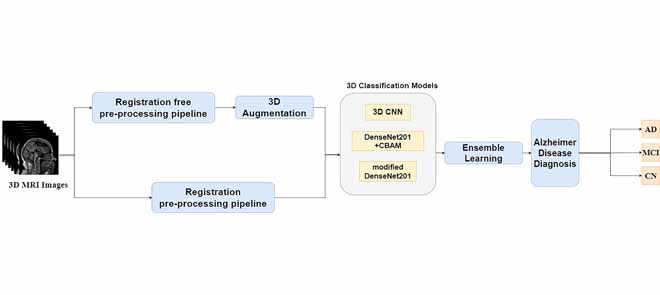
Does Deep Learning Require Image Registration for Early Prediction of Alzheimer’s Disease? A Comparative Study Using ADNI Database

Image registration is the process of using a reference image to map the input images to match the corresponding images based on certain features. It has the ability to assist the physicians in the diagnosis and following up on the patient’s condition. One of the main challenges of the registration is that it takes a huge time to be computationally efficient, accurate, and robust as it can be

Artificial Intelligence
Healthcare
Circuit Theory and Applications
Software and Communications
Journal

Automatic Early Diagnosis of Alzheimer's Disease Using 3D Deep Ensemble Approach

Alzheimer's disease (AD) is considered the 6 th leading cause of death worldwide. Early diagnosis of AD is not an easy task, and no preventive cures have been discovered yet. Having an accurate computer-aided system for the early detection of AD is important to help patients with AD. This study proposes a new approach for classifying disease stages. First, we worked on the MRI images and split

Artificial Intelligence
Healthcare
Circuit Theory and Applications
Software and Communications
Conference Paper

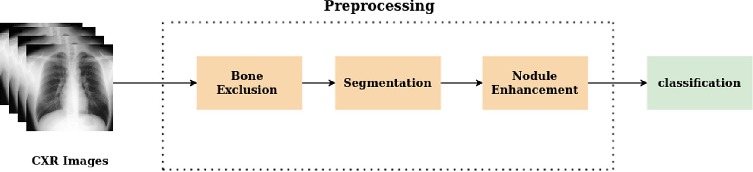
A CAD System for Lung Cancer Detection Using Chest X-ray: A Review

For many years, lung cancer has been ranked among the deadliest illnesses in the world. Therefore, it must be anticipated and detected at an early stage. We need to build a computer-aided diagnosis (CAD) system to help physicians to provide better treatment. In this study, the whole pipeline and the process of the CAD system for lung cancer detection in Chest X-ray are provided. It demonstrates

Artificial Intelligence
Healthcare
Circuit Theory and Applications
Conference Paper

A Multi-scale Self-supervision Method for Improving Cell Nuclei Segmentation in Pathological Tissues

Nuclei detection and segmentation in histopathological images is a prerequisite step for quantitative analysis including morphological shape and size to help in identifying cancer prognosis. Digital pathology field aims to improve the quality of cancer diagnosis and has helped pathologists to reduce their efforts and time. Different deep learning architectures are widely used recently in Digital

Artificial Intelligence
Healthcare
Circuit Theory and Applications
Software and Communications
Agriculture and Crops
Conference Paper

Differentiation Between Normal and Abnormal Functional Brain Connectivity Using Non-directed Model-Based Approach

Brain Connectivity refers to networks of functional and anatomical connections found throughout the brain. Multiple neural populations are connected by intricate connectivity circuits and interact with one another to exchange information, synchronize their activity, and participate in the accomplishment of complex cognitive tasks. Issues about how various brain regions contribute to cognition and

Artificial Intelligence
Circuit Theory and Applications
Software and Communications
Conference Paper

Downlink Throughput Prediction in LTE Cellular Networks Using Time Series Forecasting

Long-Term Evolution (LTE) cellular networks have transformed the mobile business, as users increasingly require various network services such as video streaming, online gaming, and video conferencing. A network planning approach is required for network services to meet user expectations and meet their needs. The User DownLink (UE DL) throughput is considered the most effective Key Performance

Artificial Intelligence
Circuit Theory and Applications
Software and Communications
Mechanical Design
Innovation, Entrepreneurship and Competitiveness
Journal

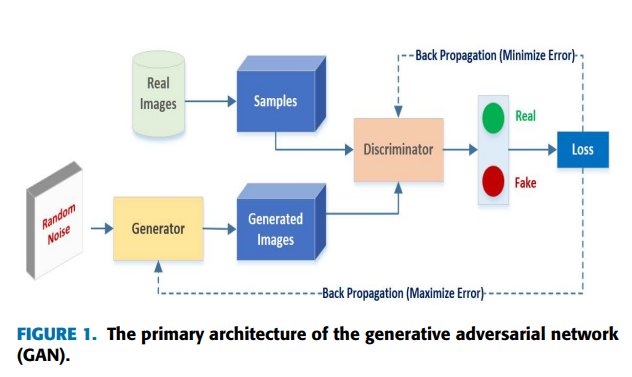
License Plate Image Analysis Empowered by Generative Adversarial Neural Networks (GANs)

Although the majority of existing License Plate (LP) recognition techniques have significant improvements in accuracy, they are still limited to ideal situations in which training data is correctly annotated with restricted scenarios. Moreover, images or videos are frequently used in monitoring systems that have Low Resolution (LR) quality. In this work, the problem of LP detection in digital

Artificial Intelligence
Journal

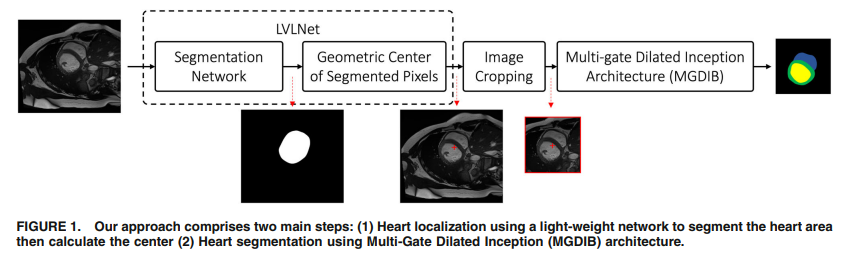
Light-Weight Localization and Scale-Independent Multi-gate UNET Segmentation of Left and Right Ventricles in MRI Images

Purpose: Heart segmentation in cardiac magnetic resonance images is heavily used during the assessment of left ventricle global function. Automation of the segmentation is crucial to standardize the analysis. This study aims at developing a CNN-based framework to aid the clinical measurements of the left ventricle and right ventricle in cardiac magnetic resonance images. Methods: We propose a

Artificial Intelligence
Research Tracks
  • Medical Imaging
  • Artificial Intelligence
  • Image Analysis
  • Knowledge Aggregation
  • Graph Optimization
  • Clinical Research
  • Computational Cardiology
Projects
a
Research Project

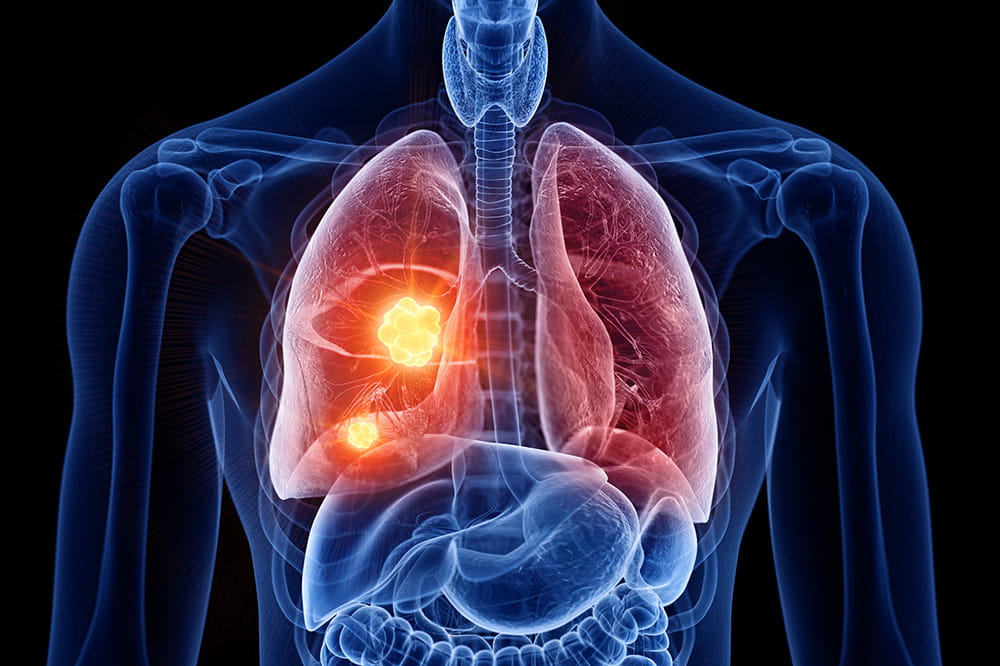
Lung Cancer Detection in Chest X-Ray Images Empowered by 3D Computed Tomography Deep Convolutional Radiomics (CXRClear)
Objective/Contributions: Cancer is treatable if it is discovered at an early stage, and lung cancer screening is a critical component in a preventive care protocol. Although CT imaging affords higher spatial resolution and 3D density information than digital chest X-rays, there are still limitations to having it as a cheap and fast method for rural areas outreach. These limitations are outlined in
3
Research Project

Smart Agricultural Clinic: Egyptian Farmer Electronic Platform for the Future
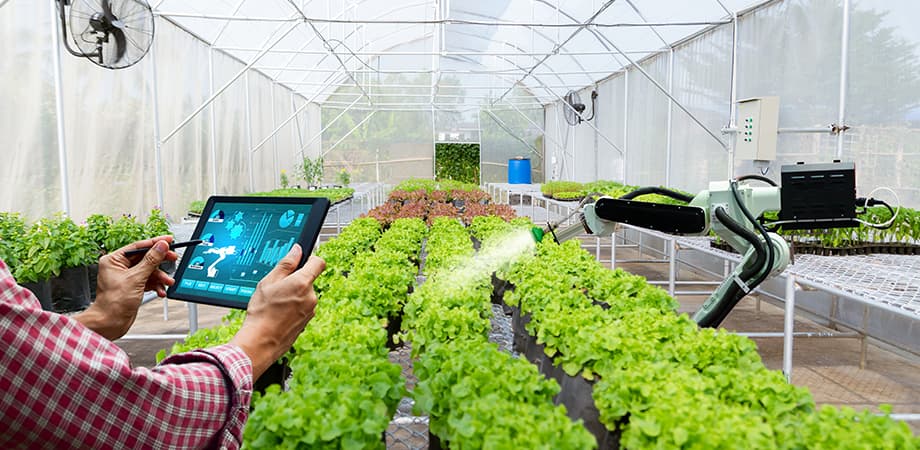
Objective/Contributions: Smart agricultural clinic (SAC) aims to: 1) Provide an integrated end-to-end digital system to effectively deliver personalized agriculture extension and veterinary services, including best cultivation, fertilization and breeding practices, to farmers and animal producers through the use of mobile/handheld devices. 2) Use advanced computer vision and deep learning
1
Research Project

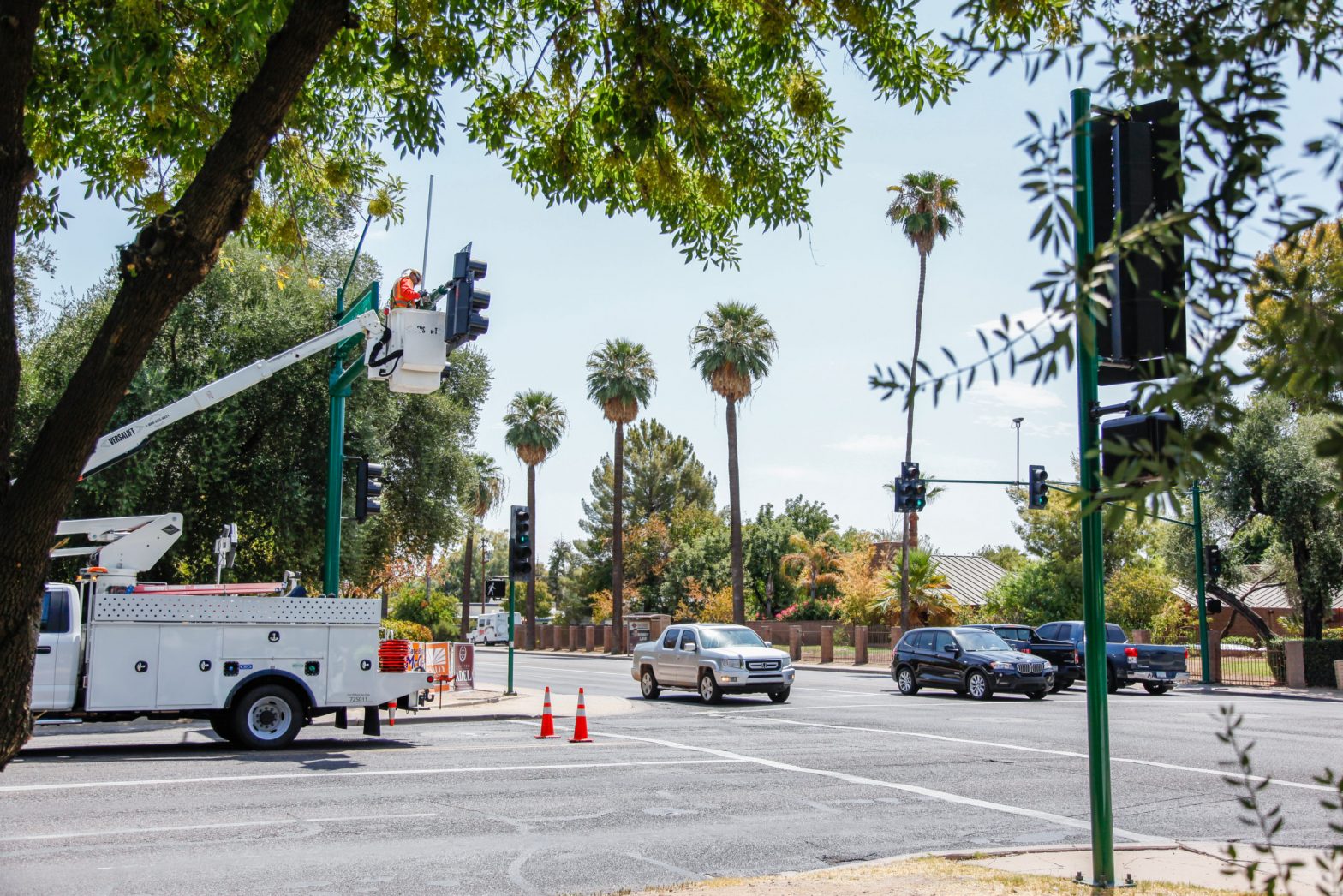
Artificial Intelligence Based Cloud Computing for Autonomous Traffic Management

Automobile-related deaths rank as one of the most common causes of death in many places, particularly developing countries; Egypt loses about 12,000 lives due to road traffic crashes every year. The greatest danger to human beings is not cars but people themselves because cars are not dangerous if driven by care and more attention. Cell phone use, whether by talking on the phone or texting