



Publications
Publications
Filter by
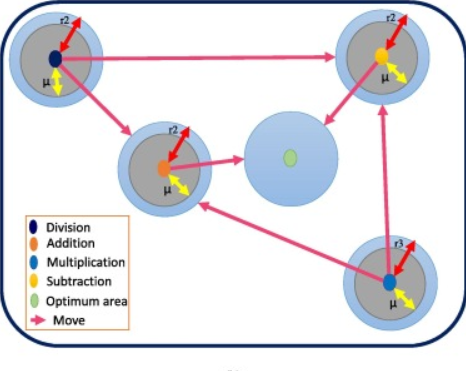
Arithmetic optimization approach for parameters identification of different PV diode models with FOPI-MPPT
The Maximum Power Point Tracker (MPPT) provides the most efficient use of a Photo-voltaic system independent of irradiance or temperature fluctuations. This paper introduces the modeling and control of a photo-voltaic system operating at MPPT using the arithmetic optimization algorithm (AOA). The single and double Photo-voltaic models are investigated. Their optimal unknown parameters are
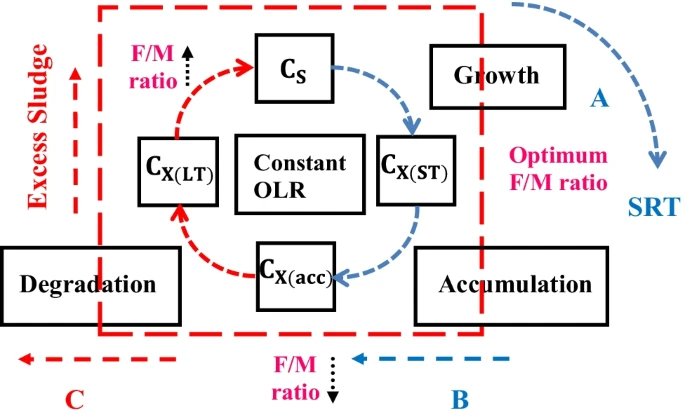
Modified fractional-order model for biomass degradation in an up-flow anaerobic sludge blanket reactor at Zenein Wastewater Treatment Plant
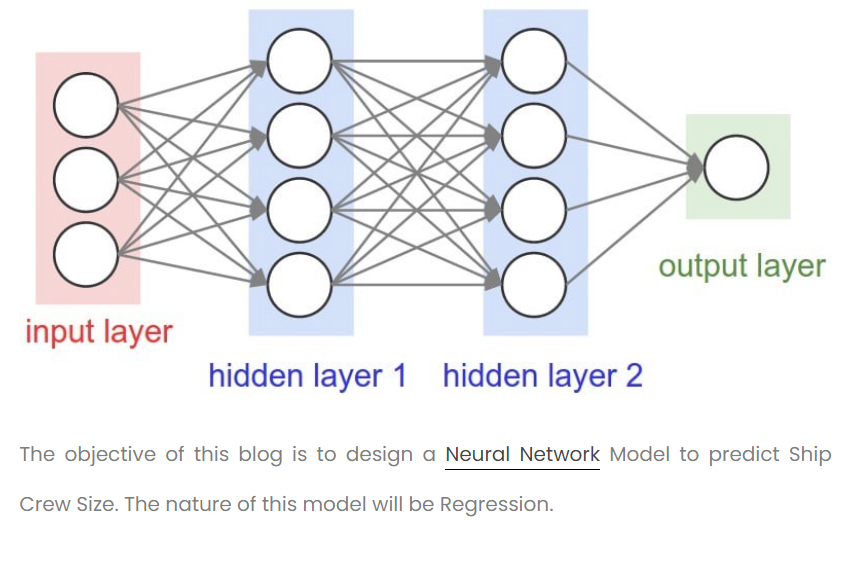
ANN-Python prediction model for the compressive strength of green concrete
Purpose: Utilization of sustainable materials is a global demand in the construction industry. Hence, this study aims to integrate waste management and artificial intelligence by developing an artificial neural network (ANN) model to predict the compressive strength of green concrete. The proposed model allows the use of recycled coarse aggregate (RCA), recycled fine aggregate (RFA) and fly ash
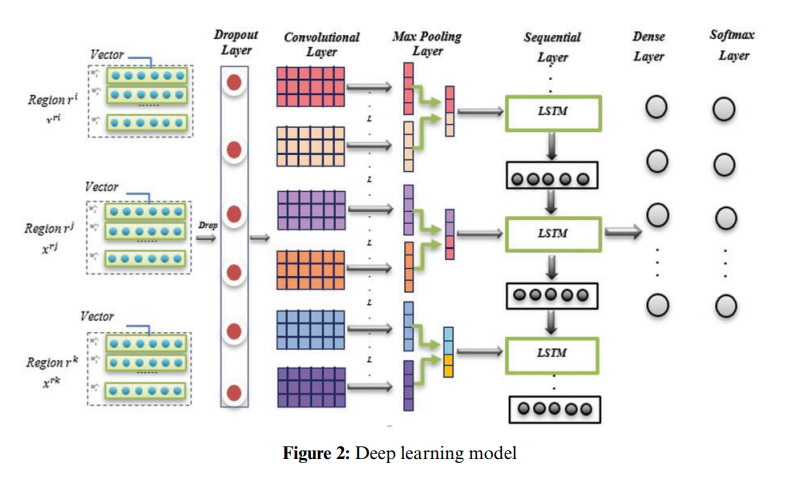
Arabic fake news detection using deep learning
Nowadays, an unprecedented number of users interact through social media platforms and generate a massive amount of content due to the explosion of online communication. However, because user-generated content is unregulated, it may contain offensive content such as fake news, insults, and harassment phrases. The identification of fake news and rumors and their dissemination on social media has
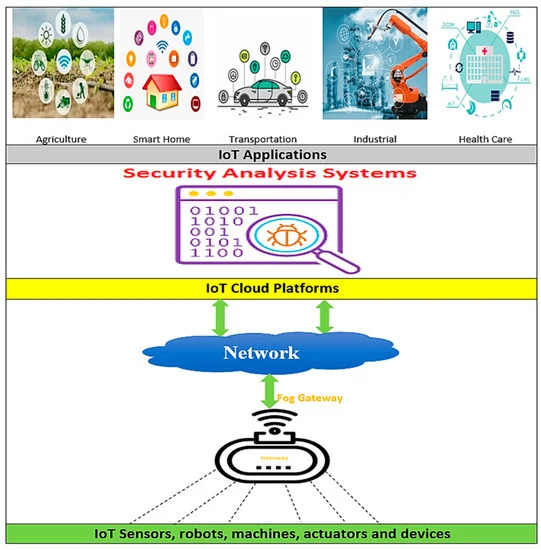
HSAS-MD Analyzer: A Hybrid Security Analysis System Using Model-Checking Technique and Deep Learning for Malware Detection in IoT Apps
Established Internet of Things (IoT) platforms suffer from their inability to determine whether an IoT app is secure or not. A security analysis system (SAS) is a protective shield against any attack that breaks down data privacy and security. Its main task focuses on detecting malware and verifying app behavior. There are many SASs implemented in various IoT applications. Most of them build on
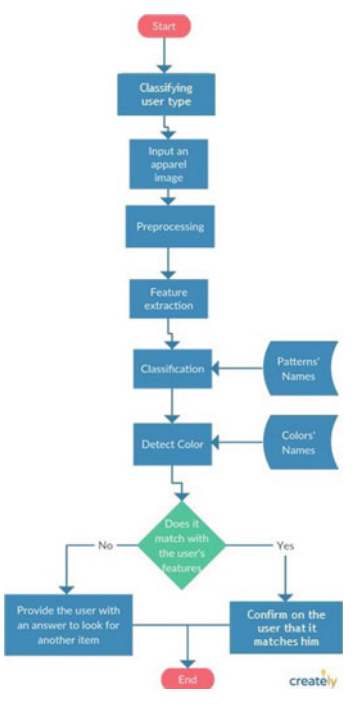
Recognizing Clothing Patterns and Colors for BVI People Using Different Techniques
For blind and visually impaired (BVI) people, it is an arduous task to recognize clothing patterns and colors. It is especially complex to recognize them automatically. This is a highly researched area in image processing. This paper provides BVI with the ability to detect patterns and colors without depending on personal assistance, leading to increasing their confidence. The user first captures
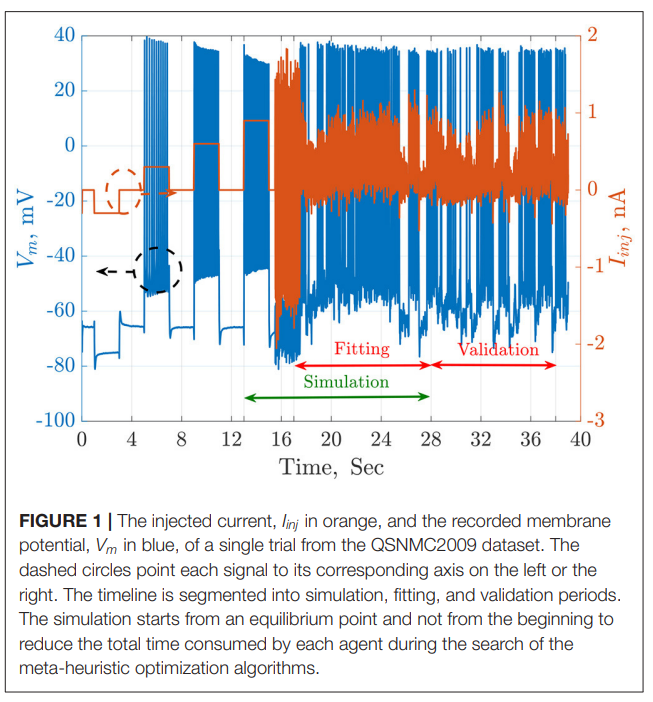
Parameter Estimation of Two Spiking Neuron Models With Meta-Heuristic Optimization Algorithms
The automatic fitting of spiking neuron models to experimental data is a challenging problem. The integrate and fire model and Hodgkin–Huxley (HH) models represent the two complexity extremes of spiking neural models. Between these two extremes lies two and three differential-equation-based models. In this work, we investigate the problem of parameter estimation of two simple neuron models with a
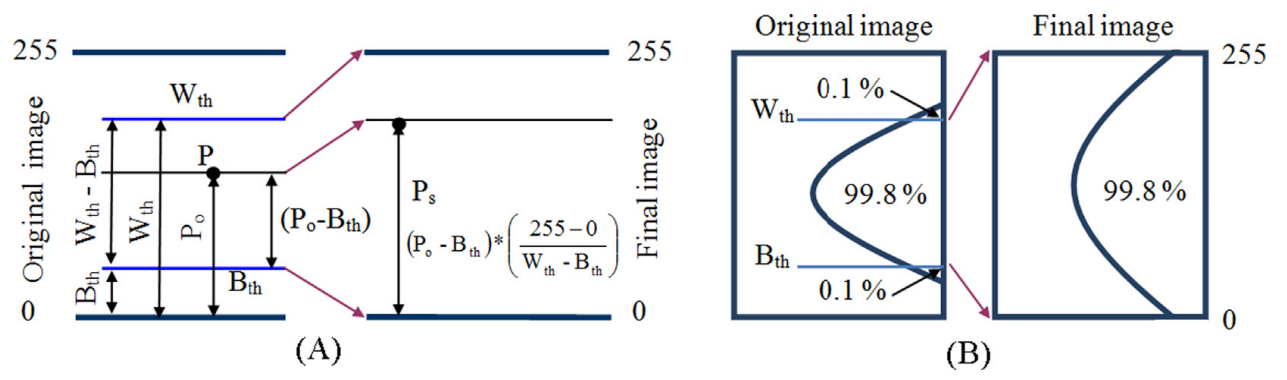
Automated detection and classification of galaxies based on their brightness patterns
Clues and traces of the universe's origin and its developmental process are deeply buried in galaxy shapes and formations. Automated galaxies classification from their images is complicated due to the faintness of the galaxy images, conflicting bright background stars, and image noise. For this purpose, the current work proposes a novel logically structured modular algorithm that analyses galaxy
On numerical approximations of fractional-order spiking neuron models
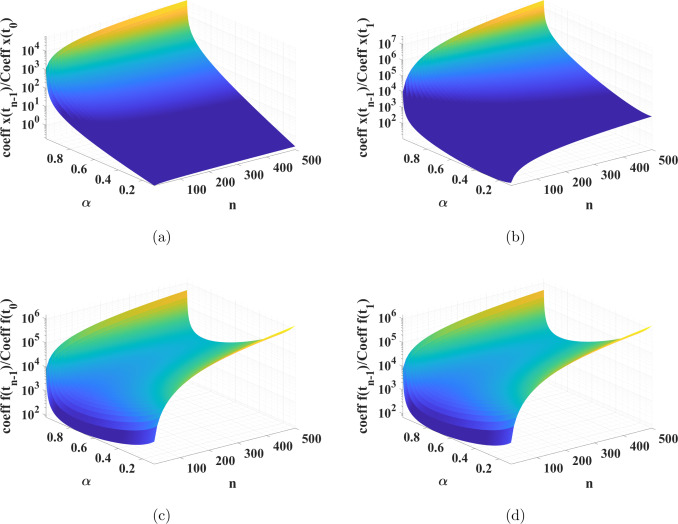
Fractional-order spiking neuron models can enrich model flexibility and dynamics due to the extra degrees of freedom. This paper aims to study the effects of applying four different numerical methods to two fractional-order spiking neuron models: the Fractional-order Leaky integrate-and-fire (FO-LIF) model and the Fractional-order Hodgkin–Huxley (FO-HH) model. Furthermore, some adjustments to
Comparative 16S Metabarcoding of Nile Tilapia Gut Microbiota from the Northern Lakes of Egypt
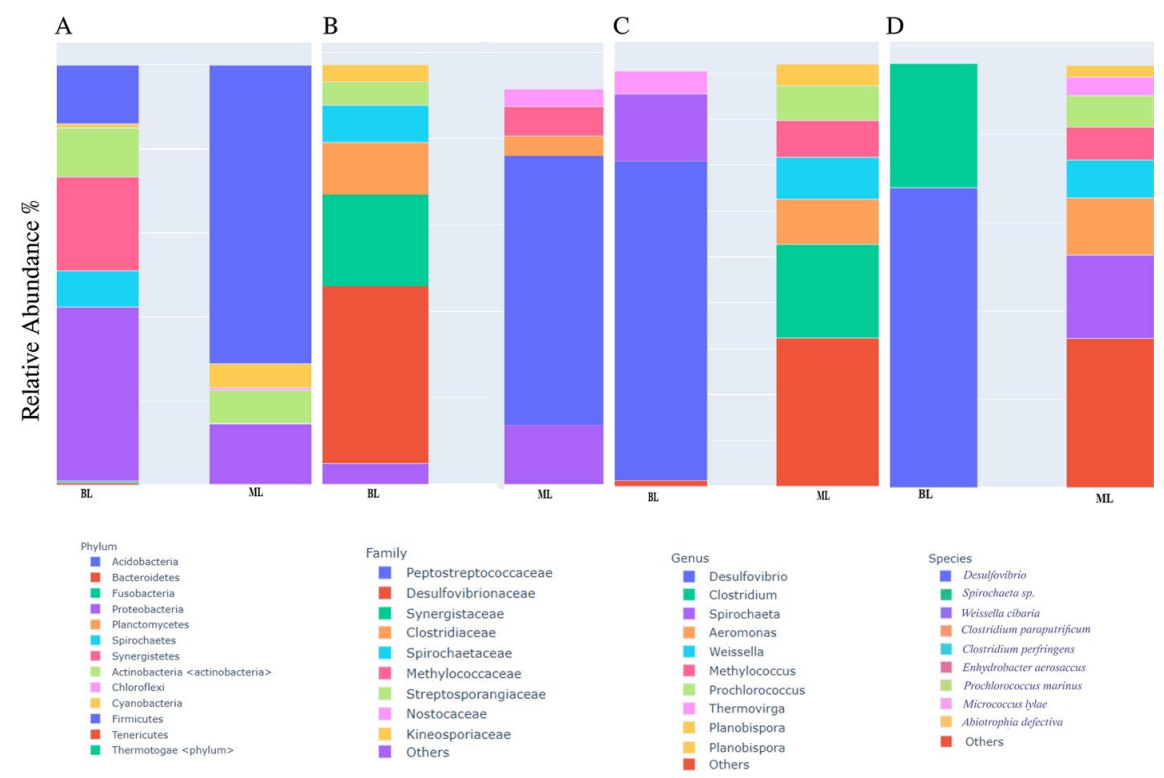
Nile tilapia, Oreochromis niloticus, is the principal fish bred in Egypt. A pilot study was designed to analyze the bacterial composition of the Nile tilapia fish guts from two saltwater lakes in Northern Egypt. Fish samples were obtained from two Delta lakes: Manzala (ML) and Borollus (BL). DNA was extracted, and the bacterial communities in the stomach content were classified (down to the