



Publications
Publications
Filter by
Experimental verification of a hybrid control scheme with chaotic whale optimization algorithm for nonlinear gantry crane: A comparative study
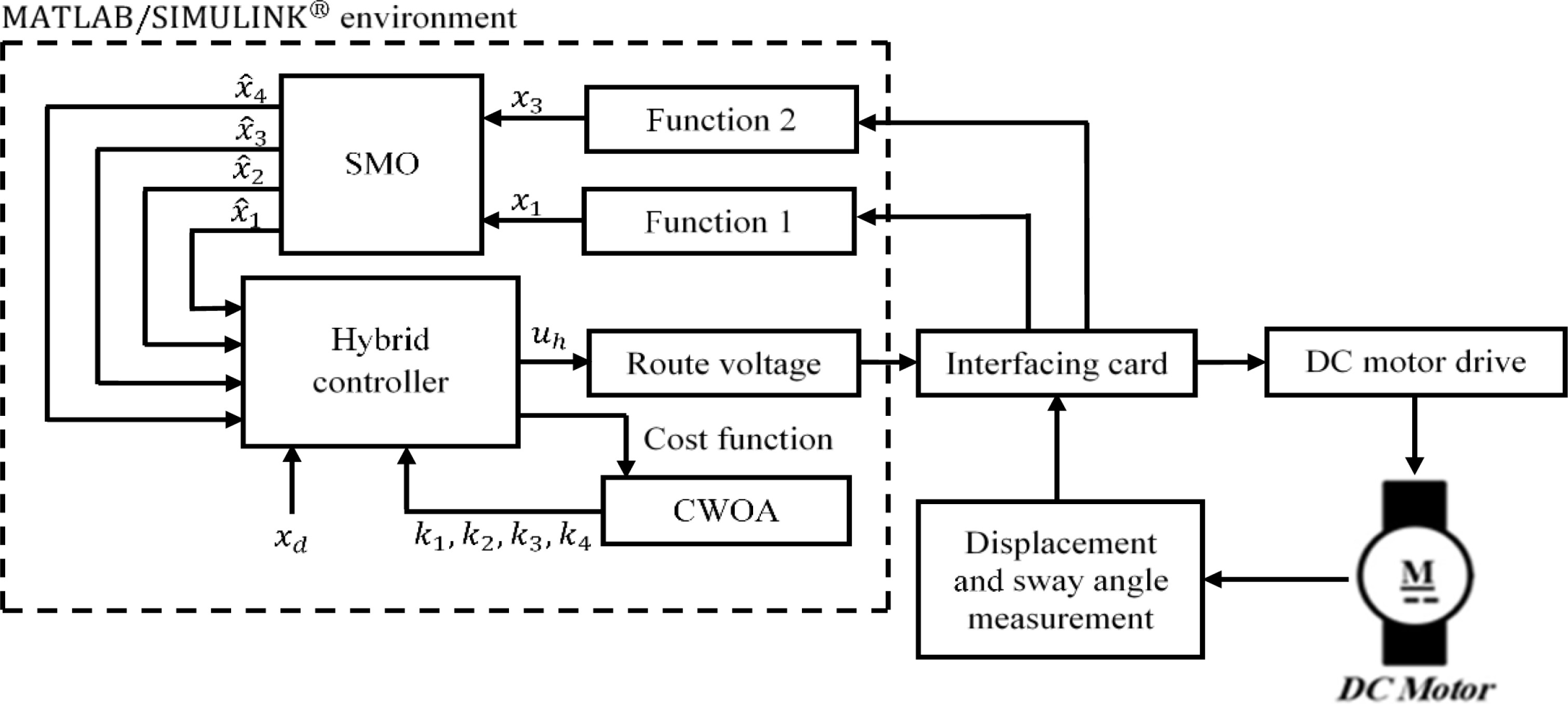
This paper proposes an experimental verification of a hybrid partial feedback linearization (PFL) and deadbeat (DB) control scheme as in Hamdy et al. (2018) with chaotic whale optimization algorithm (CWOA) for a nonlinear gantry crane (GC) system. The PFL linearizes the nonlinear model to end up with a linear closed-loop system. The DB controller is utilized for the desirable accelerated response
Real-Time Collision Warning System Based on Computer Vision Using Mono Camera
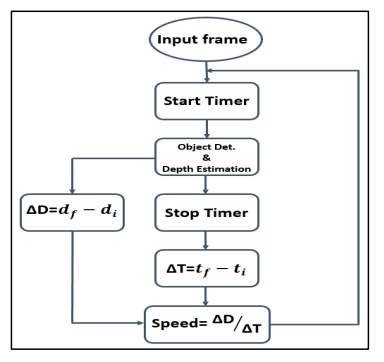
This paper aims to help self-driving cars and autonomous vehicles systems to merge with the road environment safely and ensure the reliability of these systems in real life. Crash avoidance is a complex system that depends on many parameters. The forward-collision warning system is simplified into four main objectives: detecting cars, depth estimation, assigning cars into lanes (lane assign) and
TCAIOSC: Trans-Compiler Based Android to iOS Converter
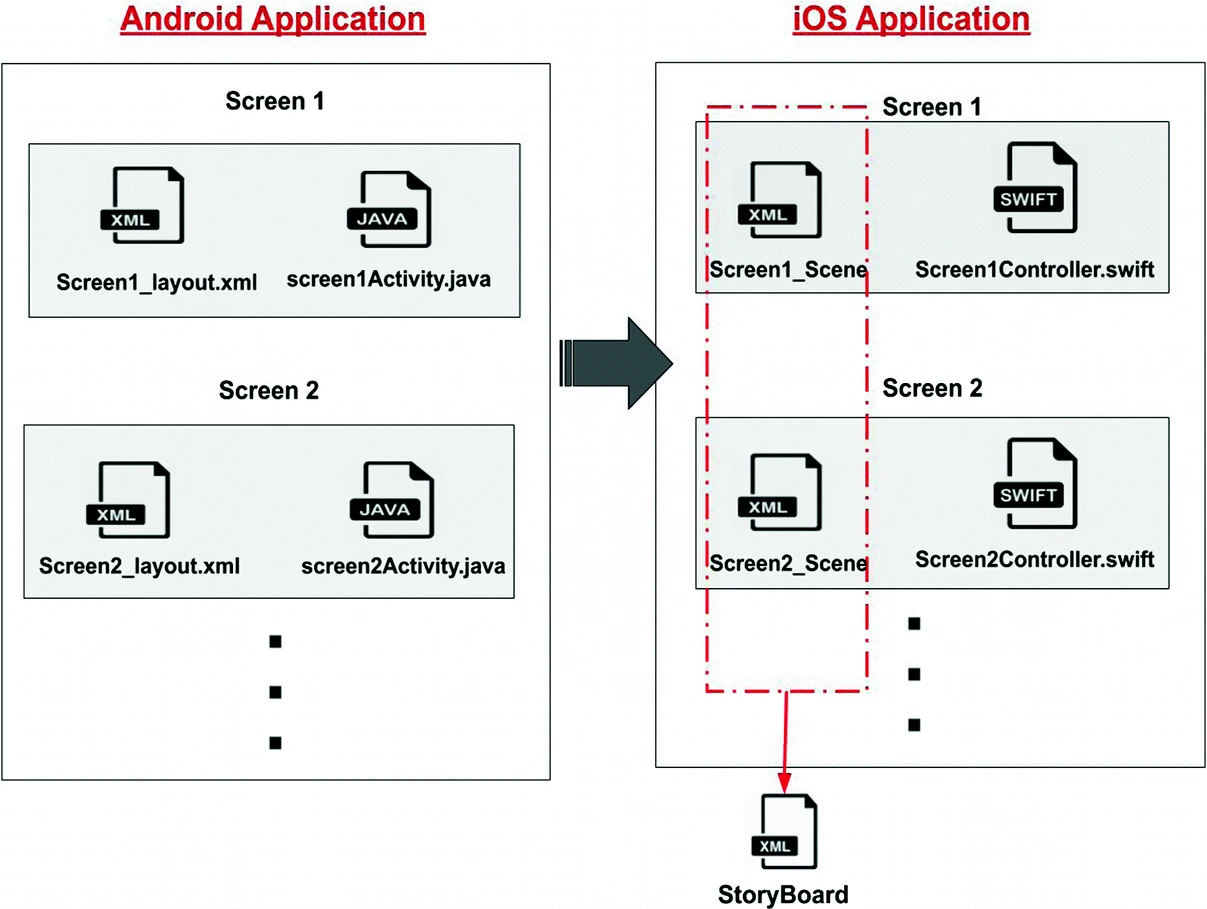
Cross-platform development is the practice of developing software products or services for multiple platforms or software environments. The idea of cross-platform development is that a software application or product should work well in more than one specific digital habitat. This capability is typically pursued in order to sell software for more than one proprietary operating system. In general
Modified fuzzy c-means clustering approach to solve the capacitated vehicle routing problem
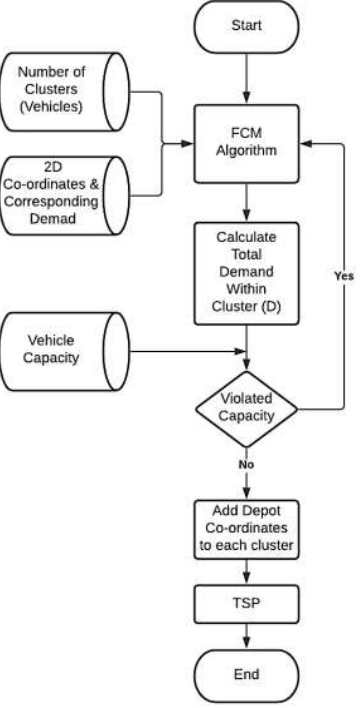
Fuzzy C-Means clustering is among the most successful clustering techniques available in the literature. The capacitated vehicle routing problem (CVRP) is one of the most studied NP-hard problems. CVRP has attracted the attention of many researchers due to its importance within the supply chain management field. This study aims to develop a fuzzy c-means clustering heuristic to efficiently solve
Complexwavelet Transform Cwt Based Video Magnification for 3d Facial Video Identification
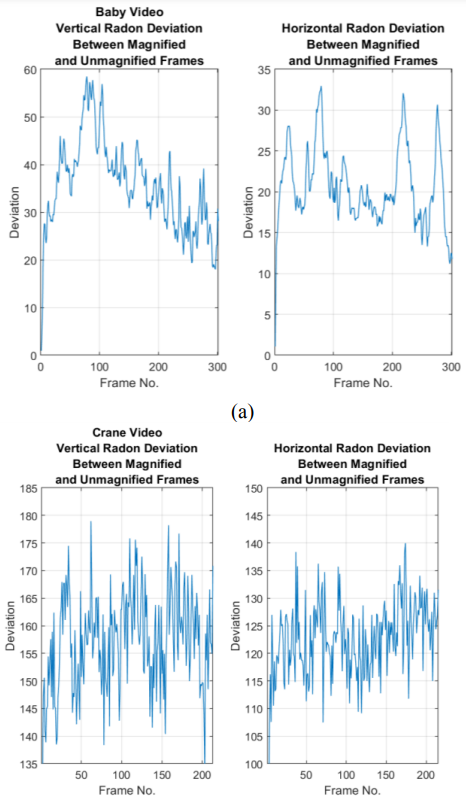
Magnifying micro changes in motion and brightness of videos that are unnoticeable by the human visual system have recently been an interesting area to explore. In this paper, we explore this technique in 3D facial video identification, we utilize this technique to identify 3D objects from 2D images. We present a Complex Wavelet Transform CWT, 2D-Dual CWT based technique, to calculate any changes
FCM-based approach for locating visible videowatermarks
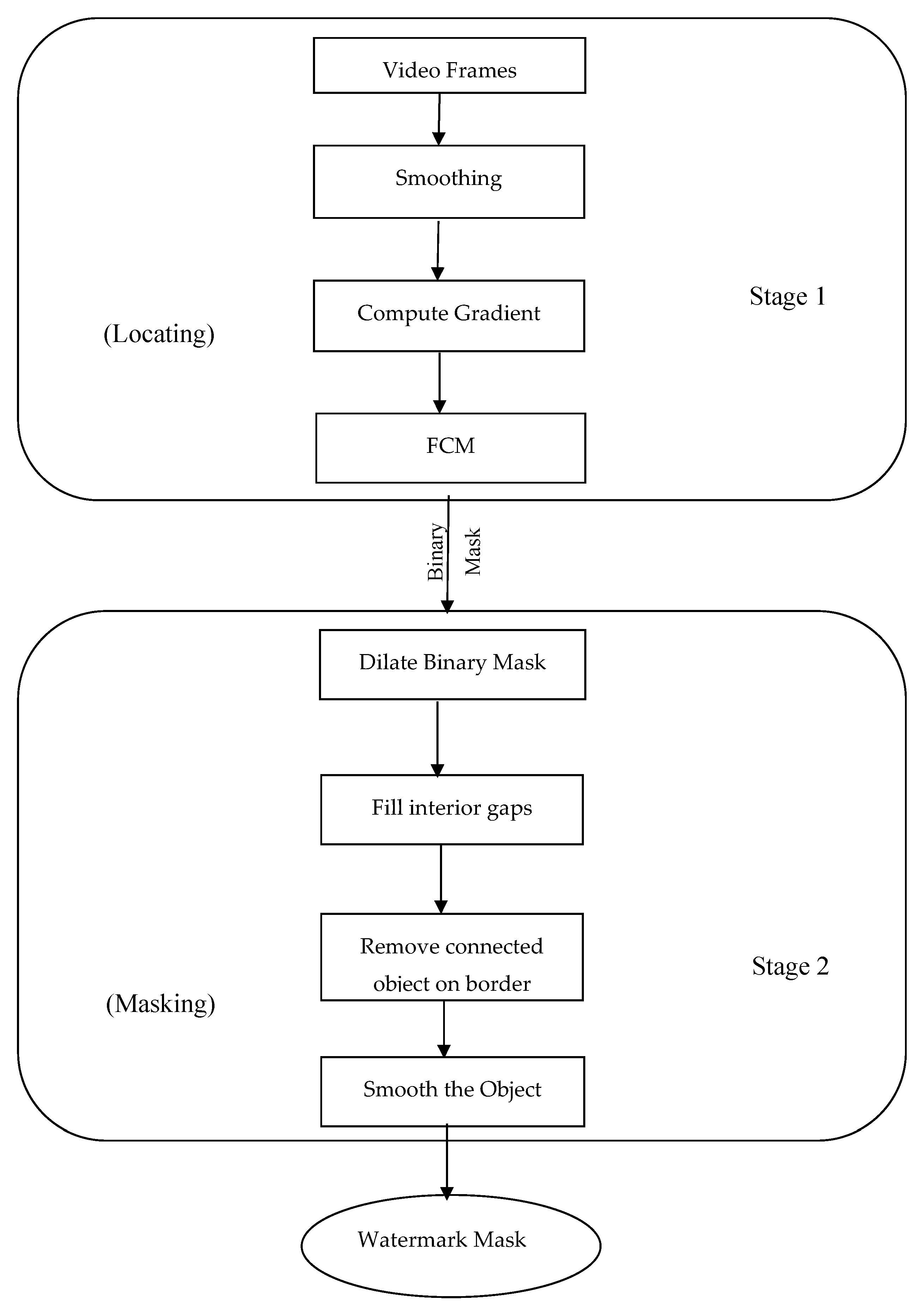
The increased usage demand for digital multimedia has induced significant challenges regarding copyright protection, which is the copy control and proof of ownership. Digital watermarking serves as a solution to these kinds of problems. Among different types of digital watermarking, visible watermarking protects the copyrights effectively, since the approach not only prevents pirates but also
IoT Based AI and its Implementations in Industries
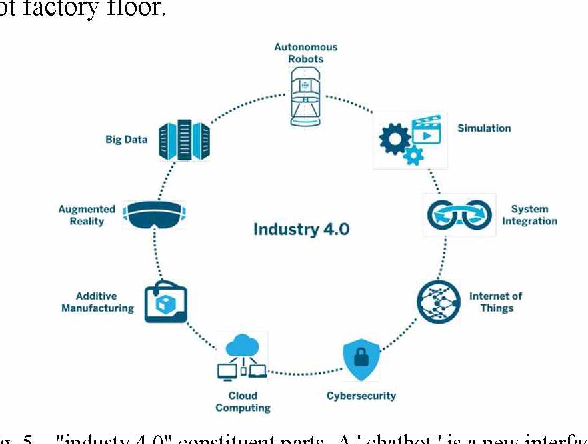
The Internet of Things (IoT) is an Internet revolution that is increasingly used in business, industry, medicine, the economy and other modern information society. IoT, particularly transport, industrial robots and automation systems are supported by artificial intelligence in a wide range of daily implementations with dominant industrial applications. IoT is an interconnected network of physical
Atmospheric pressure air microplasma current time series for true random bit generation
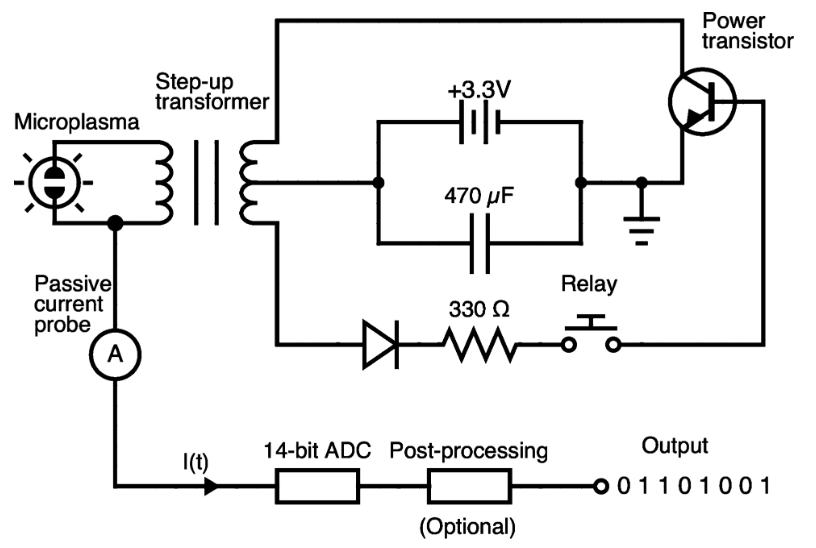
Generating true random bits of high quality at high data rates is usually viewed as a challenging task. To do so, physical sources of entropy with wide bandwidth are required which are able to provide truly random bits and not pseudorandom bits, as it is the case with deterministic algorithms and chaotic systems. In this work we demonstrate a reliable high-speed true random bit generator (TRBG)
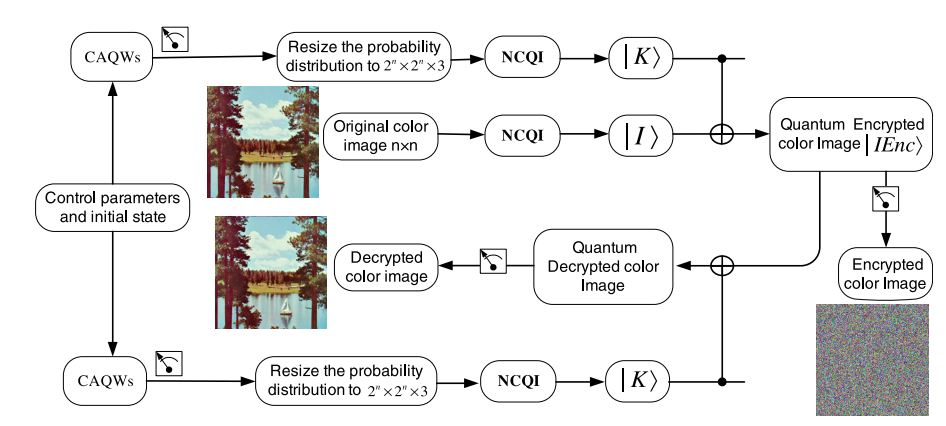
Controlled alternate quantum walk-based pseudo-random number generator and its application to quantum color image encryption
Pseudo-random number generator (PRNG) are a key component in the design of modern cryptographic mechanisms and are regarded as a backbone element of many modern cryptographic applications. However and in spite of their robustness, quantum computers could crack down PNGR-based systems. Quantum walks, a universal model of quantum computation, have nonlinear properties that make them a robust
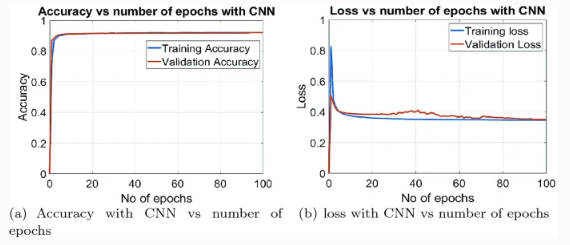
Solving Inverse Kinematics of a 7-DOF Manipulator Using Convolutional Neural Network
This paper presents a way to solve inverse kinematics of a 7-DOF manipulator using artificial neural networks. The manipulator consists of a 6-DOF articulated arm installed on a linear guide system to increase the workspace of the robot. The purpose of this paper is to provide an alternative to the traditional and complicated way to solve inverse kinematics by using artificial neural networks. The