



Publications
Publications
Filter by
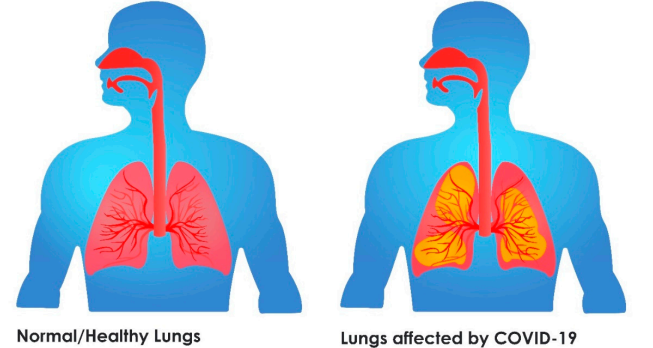
Role of Artificial Intelligence in Diagnosis of Covid-19 Using CT-Scan
Machine learning (ML) and deep learning (DL) have been broadly used in our daily lives in different ways. Early detection of COVID-19 built on chest Computerized tomography CT empowers suitable management of patients and helps control the spread of the disease. We projected an artificial intelligence (AI) system for rapid COVID-19 detection using analysis of CTs of COVID-19 depending on the AI
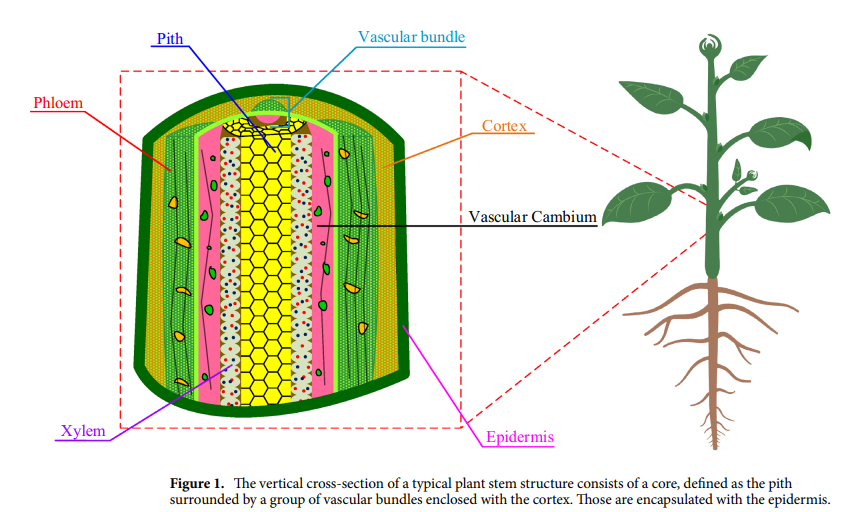
Plant stem tissue modeling and parameter identification using metaheuristic optimization algorithms
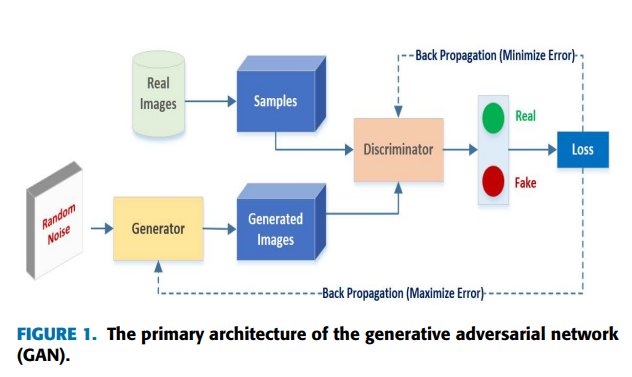
License Plate Image Analysis Empowered by Generative Adversarial Neural Networks (GANs)
Although the majority of existing License Plate (LP) recognition techniques have significant improvements in accuracy, they are still limited to ideal situations in which training data is correctly annotated with restricted scenarios. Moreover, images or videos are frequently used in monitoring systems that have Low Resolution (LR) quality. In this work, the problem of LP detection in digital
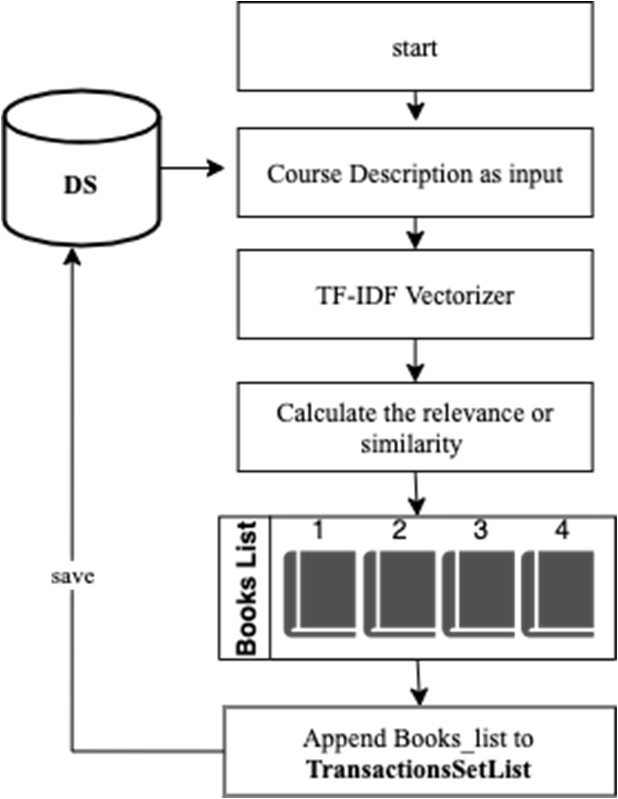
A HYBRID RECOMMENDER FRAMEWORK FOR SELECTING A COURSE REFERENCE BOOKS
Recommender systems are receiving great attention these days, as various researchers and major companies are conducting continuous research in this field. Companies like Google and Amazon have provided different effective models for video recommendation systems, but the educational field is poorly studied as other researchers explained. Different researchers proposed various approaches showing the
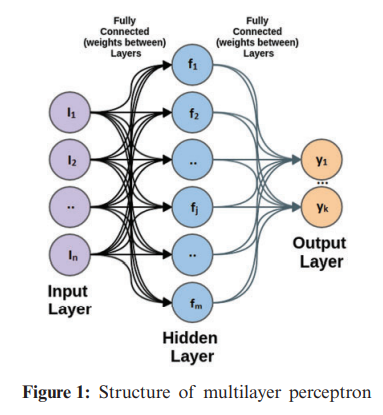
An optimized ensemble model for prediction the bandwidth of metamaterial antenna
Metamaterial Antenna is a special class of antennas that uses metamaterial to enhance their performance. Antenna size affects the quality factor and the radiation loss of the antenna. Metamaterial antennas can overcome the limitation of bandwidth for small antennas.Machine learning (ML)model is recently applied to predict antenna parameters.ML can be used as an alternative approach to the trial
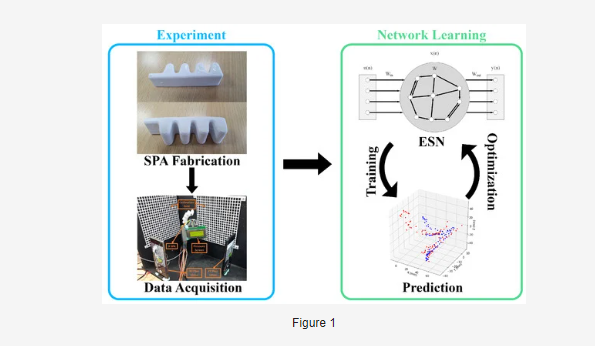
Modeling of Soft Pneumatic Actuators with Different Orientation Angles Using Echo State Networks for Irregular Time Series Data
Modeling of soft robotics systems proves to be an extremely difficult task, due to the large deformation of the soft materials used to make such robots. Reliable and accurate models are necessary for the control task of these soft robots. In this paper, a data-driven approach using machine learning is presented to model the kinematics of Soft Pneumatic Actuators (SPAs). An Echo State Network (ESN)
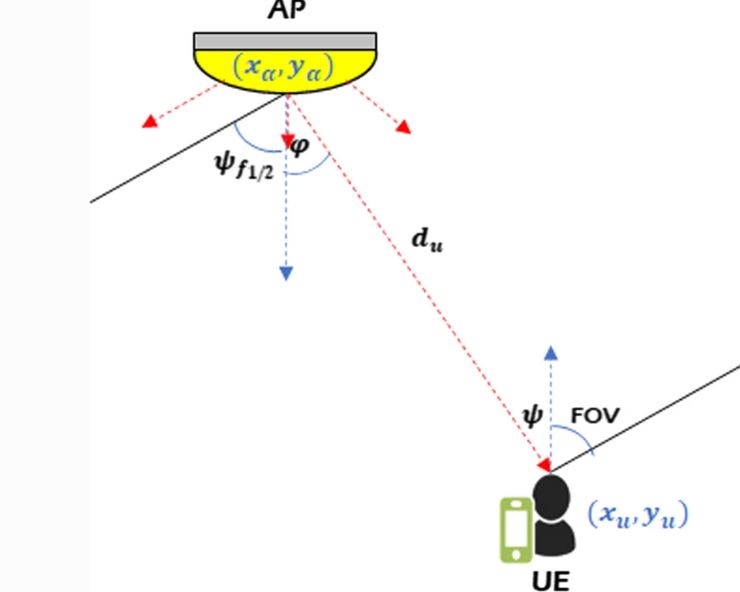
Hybrid NOMA-based ACO-FBMC/OQAM for next-generation indoor optical wireless communications using LiFi technology
Light fidelity (LiFi) has successfully achieved high data transfer rates, high security, great availability, and low interference. In this paper, we propose a LiFi system consisting of a combination of non-orthogonal multi-access (NOMA), asymmetrically-clipped optical (ACO), and filter bank multicarrier (FBMC) techniques combined with offset quadrature amplitude modulation (OQAM). The paper also
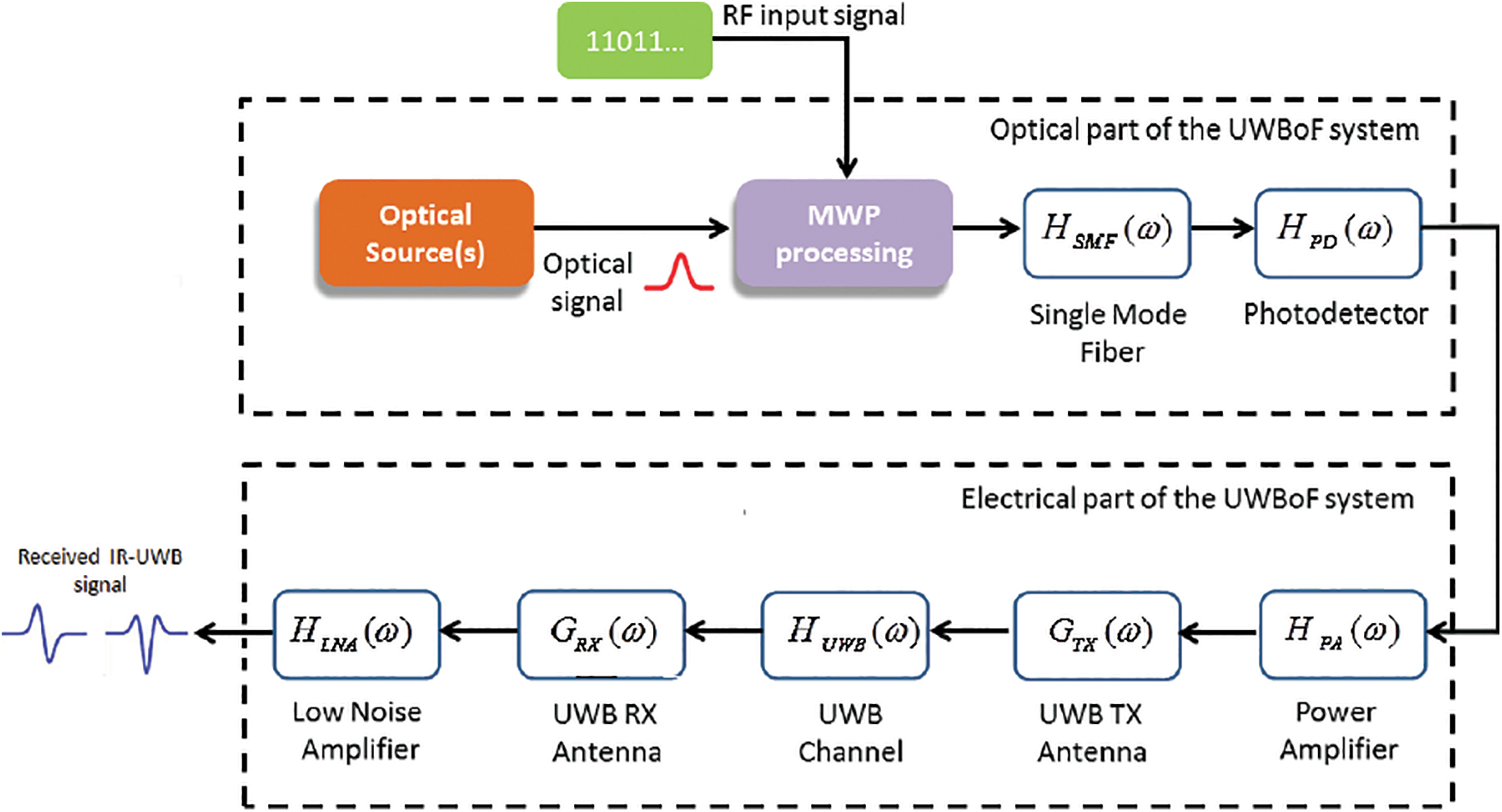
Radio optical network simulation tool (ronst)
This paper presents a radio optical network simulation tool (RONST) for modeling optical-wireless systems. For a typical optical and electrical chain environment, performance should be optimized concurrently before system implementation. As a result, simulating such systems turns out to be a multidisciplinary problem. The governing equations are incompatible with co-simulation in the traditional
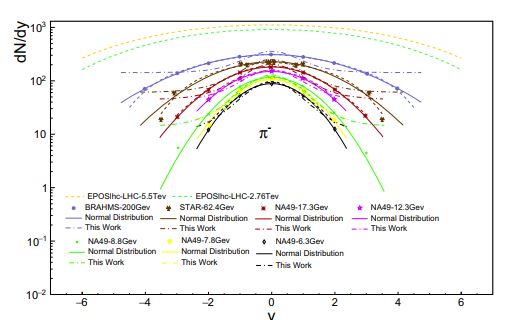
Multiplicity per rapidity in Carruthers and hadron resonance gas approaches
The multiplicity per rapidity of the well-identified particles π-, π+, k-, k+, p¯ , p, and p- p¯ measured in different high-energy experiments, at energies ranging from 6.3 to 5500 GeV, is successfully compared with the Cosmic Ray Monte Carlo event generator. For these rapidity distributions, we introduce a theoretical approach based on fluctuations and correlations (Carruthers approach) and
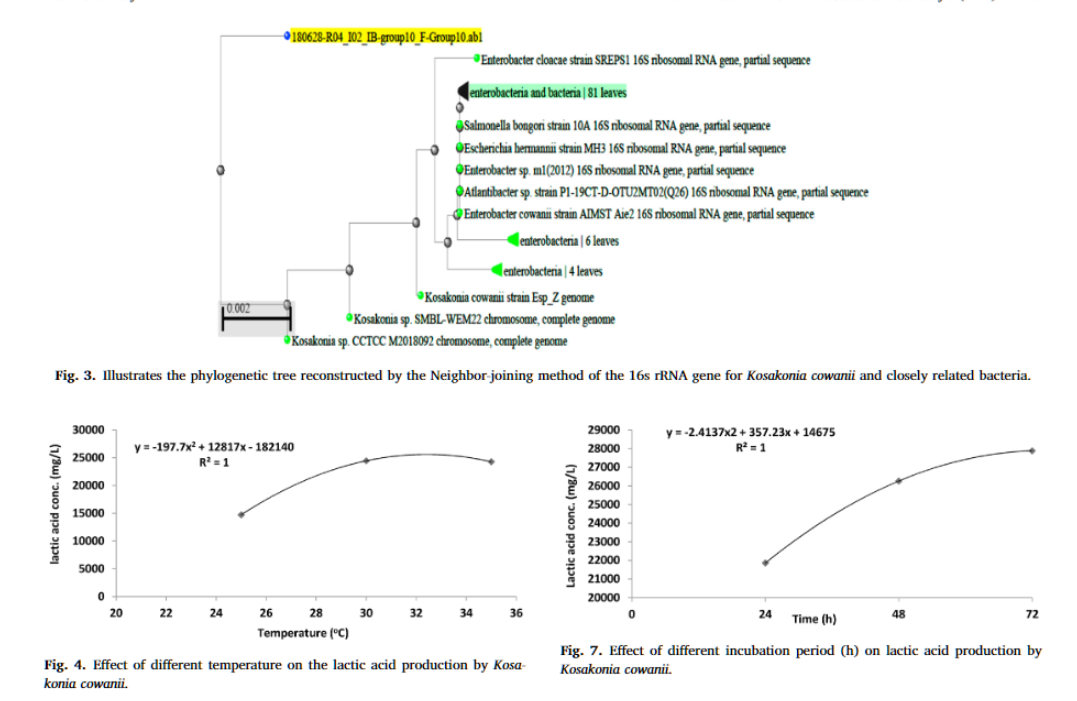
Optimization of lactic acid production from agro-industrial wastes produced by Kosakonia cowanii
Lactic acid is used for the preparation of poly-lactic acid. The objective of this research was to produce lactic acid from agro-industrial wastes as cheap, renewable substrates, and also reduce the pollution burden on the environment. Sixteen bacterial isolates were isolated from agro-industrial wastes. The chemical hydrolysis of agro-industrial wastes was achieved with hydrochloric acid