



Publications
Publications
Filter by
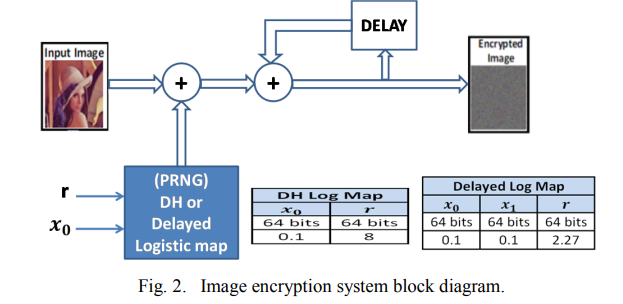
Image encryption based on double-humped and delayed logistic maps for biomedical applications
This paper presents a secured highly sensitive image encryption system suitable for biomedical applications. The pseudo random number generator of the presented system is based on two discrete logistic maps. The employed maps are: the one dimensional double humped logistic map as well as the two-dimensional delayed logistic map. Different analyses are introduced to measure the performance of the

NileTMRG at SemEval-2017 Task 8: Determining Rumour and Veracity Support for Rumours on Twitter
This paper presents the results and conclusions of our participation in SemEval-2017 task 8: Determining rumour veracity and support for rumours. We have participated in 2 subtasks: SDQC (Subtask A) which deals with tracking how tweets orient to the accuracy of a rumourous story, and Veracity Prediction (Subtask B) which deals with the goal of predicting the veracity of a given rumour. Our

NileTMRG at SemEval-2017 Task 4: Arabic Sentiment Analysis
This paper describes two systems that were used by the NileTMRG for addressing Arabic Sentiment Analysis as part of SemEval-2017, task 4. NileTMRG participated in three Arabic related subtasks which are: Subtask A (Message Polarity Classification), Subtask B (Topic-Based Message Polarity classification) and Subtask D (Tweet quantification). For sub-task A, we made use of our previously developed
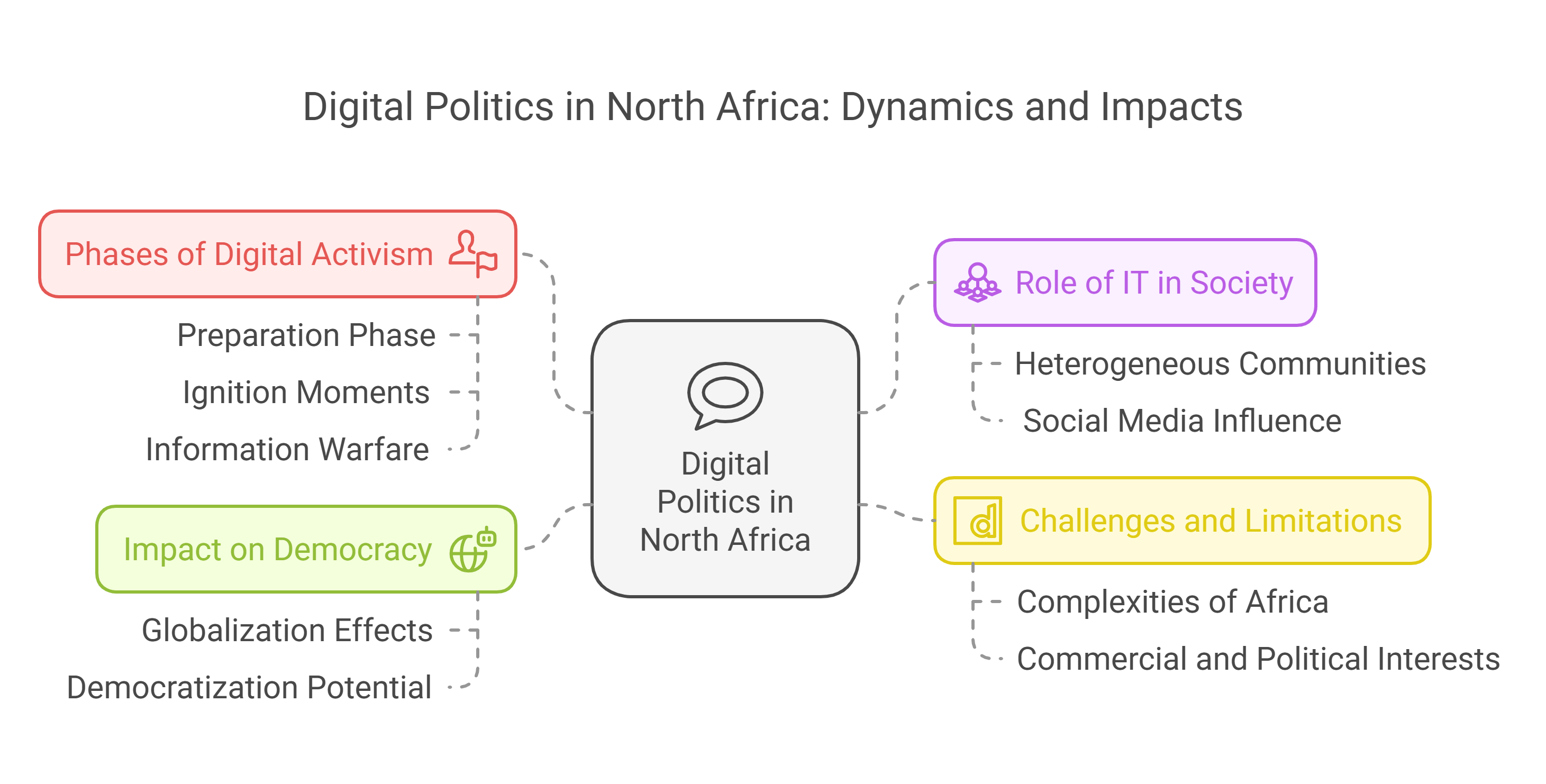
Digital politics in north Africa: Possibilities to reverse subversion
North Africa is marked with an unmatched phenomena of increase in IT (Adeiza, 2013), though IT users are not homogenous groups, but rather heterogeneous communities with diverse interests and motivations. As explained by the Swiss Agency for Development and Cooperation (SDC) that technology itself cannot solely make a difference in the practice of the sociopolitical and economic progress, but
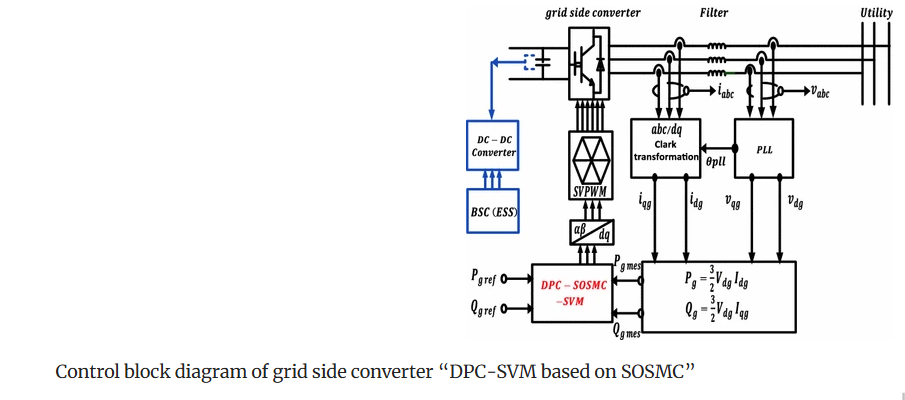
Robust adaptive supervisory fractional order controller for optimal energy management in wind turbine with battery storage
To address the challenges of poor grid stability, intermittency of wind speed, lack of decision-making, and low economic benefits, many countries have set strict grid codes that wind power generators must accomplish. One of the major factors that can increase the efficiency of wind turbines (WTs) is the simultaneous control of the different parts in several operating area. A high performance
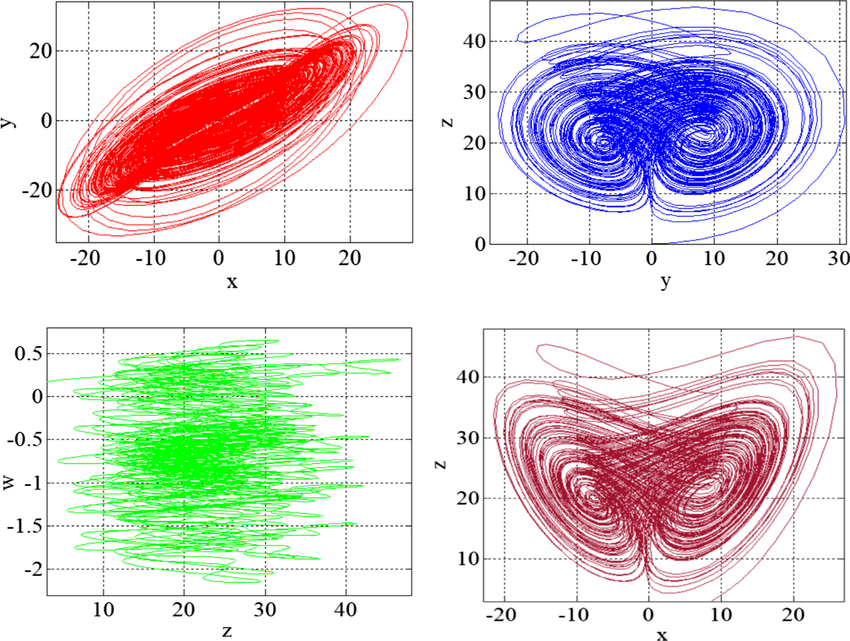
New hybrid synchronisation schemes based on coexistence of various types of synchronisation between master-slave hyperchaotic systems
In this paper, we present new approaches to study the co-existence of some types of synchronisation between hyperchaotic dynamical systems. The paper first analyses, based on stability theory of linear continuous-Time systems, the co-existence of the projective synchronisation (PS), the function projective synchronisation (FPS), the full state hybrid function projective synchronisation (FSHFPS)
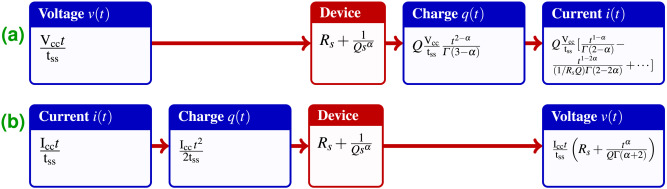
Supercapacitor reciprocity and response to linear current and voltage ramps
The focus in supercapacitor research typically falls into one of two categories: (i) the rational design and engineering of electrode materials and electrolyte formulation to achieve high performance devices at competitive costs, and (ii) the modeling of their resulting behavior in response to constant-current charging/discharging, cyclic voltammetry or impedance spectroscopy. However, less work
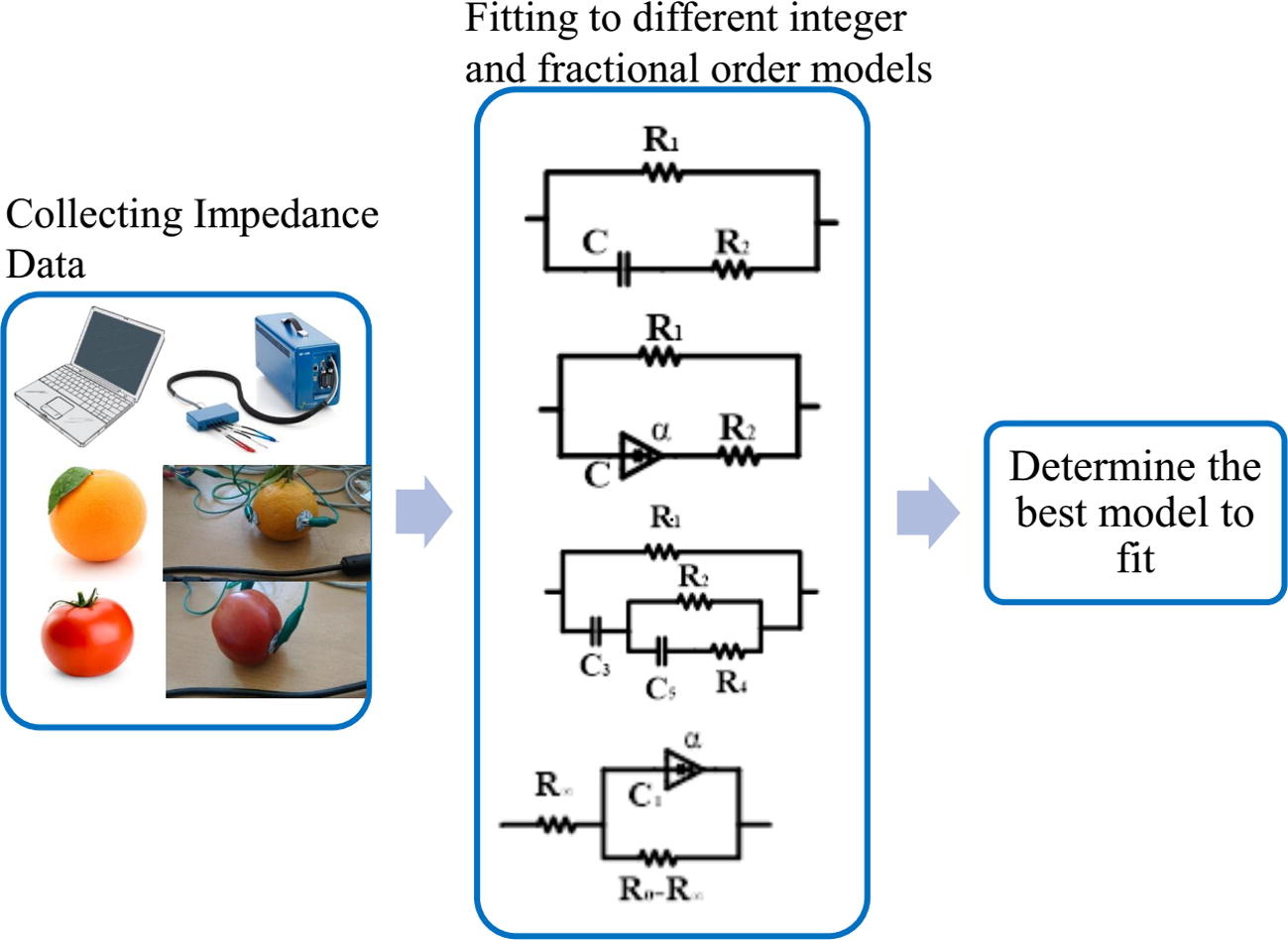
Experimental comparison of integer/fractional-order electrical models of plant
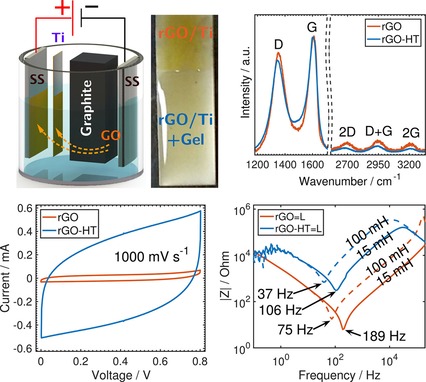
All-Solid-State Double-Layer Capacitors Using Binderless Reduced Graphene Oxide Thin Films Prepared by Bipolar Electrochemistry
Bipolar electrochemistry is used as an economical, single-step, and scalable process for the oxidation of a wireless graphite substrate, and the subsequent electrophoretic deposition of graphene oxide thin film on a second wireless substrate. An all-solid-state symmetric double-layer capacitor (EDLC) using binderless reduced graphene oxide electrodes exhibited outstanding reversibility and
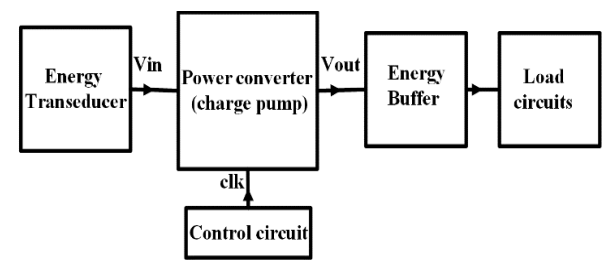
Memcapacitor based charge pump
This paper proposes a charge pump based on a charge controlled memcapacitor. The operation of the charge pump is investigated along with the mathematical analysis of the memcapacitor. Different implementations of charge pump are summarized. The proposed charge pump has the capability of driving low input voltage in range of 200mv and the capability of operating at the low frequencies which makes