



Publications
Publications
Filter by
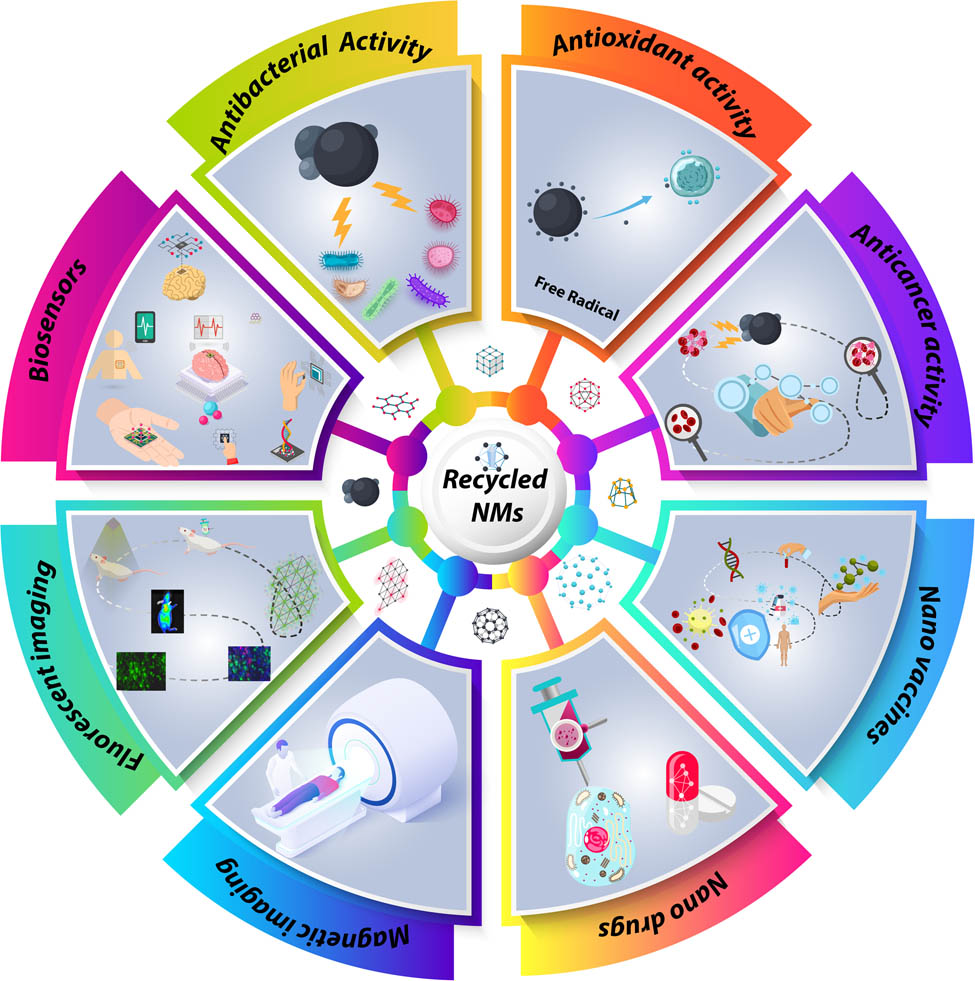
Recent advances in waste-recycled nanomaterials for biomedical applications: Waste-to-wealth
Global overpopulation, industrial expansion, and urbanization have generated massive amounts of wastes. This is considered as a significant worldwide challenge that requires an urgent solution. Additionally, remarkable advances in the field of biomedicine have impacted the entire spectrum of healthcare and medicine. This has paved the way for further refining of the outcomes of biomedical
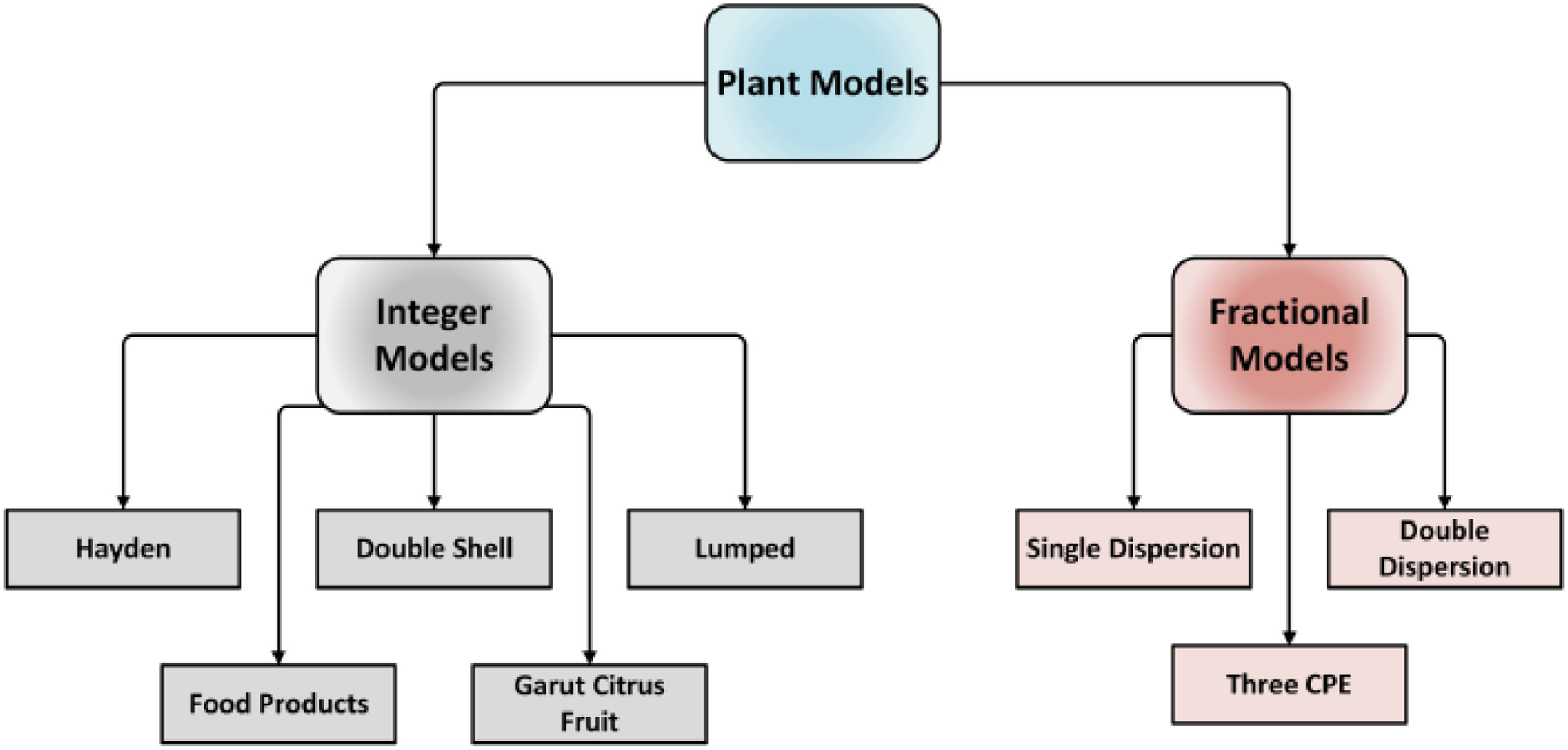
Experimental investigation of innovative active packaging biofilms using electrical impedance spectroscopy

INVESTIGATION OF DIFFERENTIALLY EXPRESSED GENE RELATED TO HUNTINGTON'S DISEASE USING GENETIC ALGORITHM
neurodegenerative diseases have complex pathological mechanisms. Detecting disease-associated genes with typical differentially expressed gene selection approaches are ineffective. Recent studies have shown that wrappers Evolutionary optimization methods perform well in feature selection for high dimensional data, but they are computationally costly. This paper proposes a simple method based on a
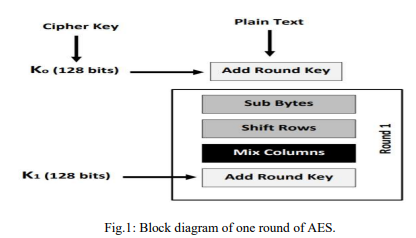
Generation of the chaotic keys on the fly for AES encryption system
This paper proposes a safe and effective method to generate the subkeys that are used in the Advanced Encryption Standard (AES) algorithm for data encryption applications. The suggested method relies upon the Pseudo-Random Number Generator (PRNG) that is created from the improved Lorenz chaotic system. The output of PRNG is exploited as a key schedule for generating AES subkeys where the output is
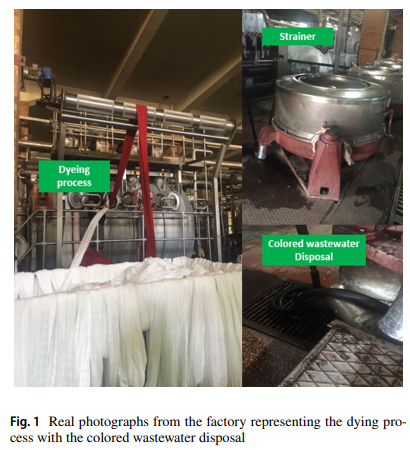
Sustainable Evaluation of Using Nano Zero-Valent Iron and Activated Carbon for Real Textile Effluent Remediation
In this study, the performance of using two different adsorbents, nano-zero-valent iron (nZVI) and activated carbon (AC), was examined for the treatment of real textile effluents. The porous structure and chemical composition of the synthesized nZVI were detected via X-ray diffraction, scanning electron microscopy and EDX analysis. Batch adsorption studies were conducted to investigate the optimal
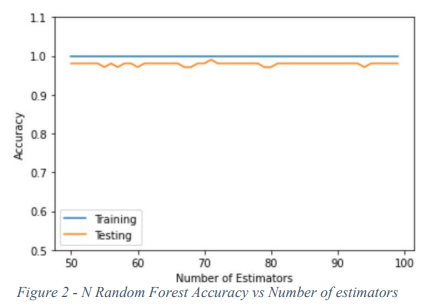
Diabetes Prediction Using Machine Learning: A Comparative Study
Diabetes is a common, metabolic disease, that results in a high level of blood sugar. Patients diagnosed with diabetes suffer from a body that cannot effectively use the insulin or cannot produce a sufficient amount of insulin. Providing a method of detection via symptoms that can be noticed by the patient can prompt the patient to seek medical assistance more promptly and in turn to be correctly
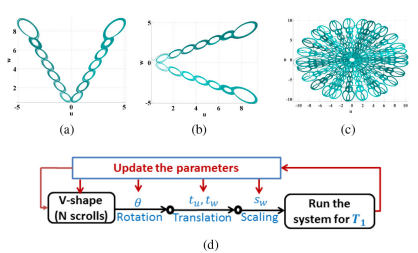
Design and FPGA Verification of Custom-Shaped Chaotic Attractors Using Rotation, Offset Boosting and Amplitude Control
This brief proposes a method of generating custom-shaped attractors, which depends on a planarly rotating V-shape multi-scroll chaotic system with offset boosting and amplitude control, and its FPGA verification. The proposed planarly rotating, translational (offset boostable), and scalable (amplitude controllable) system exhibits a wide basin of attraction and can cover the whole space
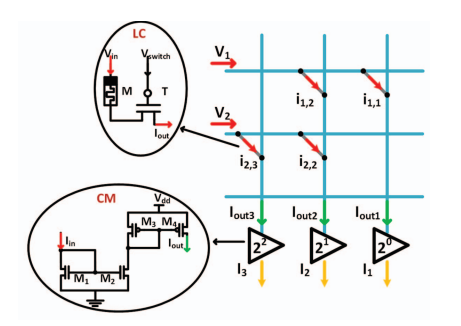
Current-Mode Multiplier Accumulator Design using a Memristor-Transistor Crossbar Architecture
This paper discusses the implementation of a Multiplier Accumulator (MAC) design using memristor and crossbar architecture. MAC consists of an array of memristors alongside transistors making a cell that works as a switch (i.e., turned ON or OFF). When a cell is selected, it adds the current in the array path, followed by a current mirror circuit amplified to determine the accumulated current. A
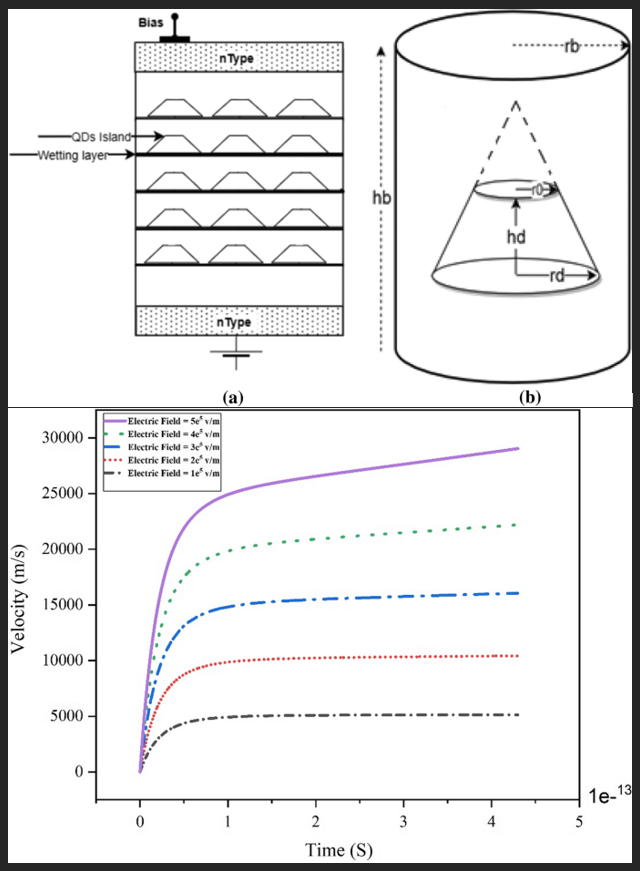
Modeling and characterization of carrier mobility for truncated conical quantum dot infrared photodetectors
In the present paper, a theoretical model for calculating the carrier mobility which is a result of the existence of a truncated conical quantum dots of n-type quantum dot infrared photodetectors (QDIPs) is developed. This model is built on solving Boltzmann’s transport equation that is a complex integro-differential equation describing the carrier transport. The time-domain finite-difference
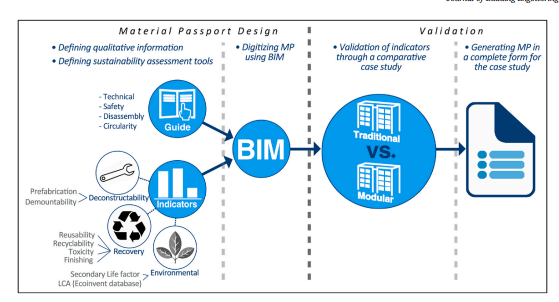
Digitizing material passport for sustainable construction projects using BIM
Several aspects hinder the application sustainability in construction industry. The most prominent problems are related to the conservation of natural resources and the generation of construction and demolition wastes. Previous studies indicated that these problems are due to lack of information available to construction projects stakeholders on the proper handling of building materials in their