



Publications
Publications
Filter by
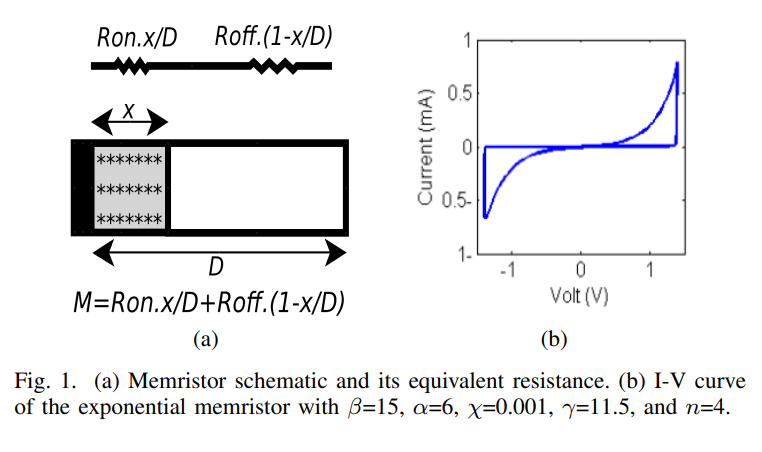
2T2M memristor-based memory cell for higher stability RRAM modules
This paper introduces a novel 2T2M memristor based memory cell which, offers higher stability and noise margins than previous works. The proposed 2T2M RRAM module is similar to conventional 6T SRAM module in terms of delay and number of interface pins. However, the predicted area of the proposed 2T2M RRAM cell is significantly lower compared to the CMOS based 6T SRAM cell, and is also expected to
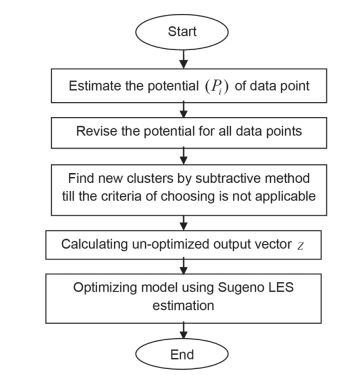
Predicting telecommunication tower costs using fuzzy subtractive clustering
This paper presents a fuzzy subtractive modelling technique to predict the weight of telecommunication towers which is used to estimate their respective costs. This is implemented through the utilization of data from previously installed telecommunication towers considering four input parameters: a) tower height; b) allowed tilt or deflection; c) antenna subjected area loading; and d) wind load
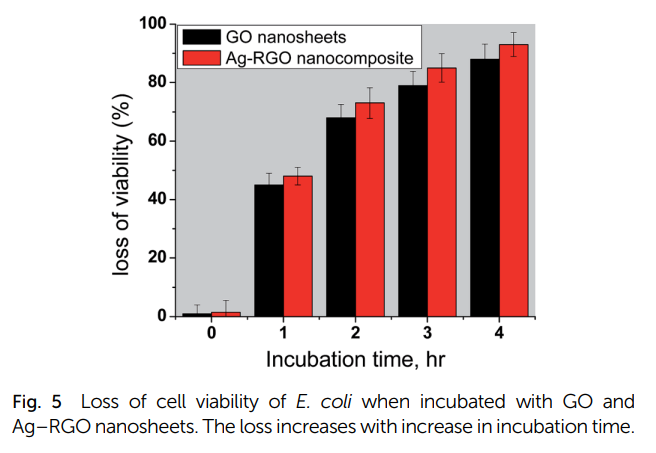
Phytosynthesis of silver-reduced graphene oxide (Ag-RGO) nanocomposite with an enhanced antibacterial effect using Potamogeton pectinatus extract
A new green synthesis method for the preparation of a silver-reduced graphene oxide (Ag-RGO) nanocomposite using Potamogeton pectinatus (Po) plant extract is introduced. The size, morphology and crystallinity of the as-prepared nanomaterials were studied with an explanation for the role of Po in the synthesis. A preliminary antibacterial experiment was developed to ensure the enhanced
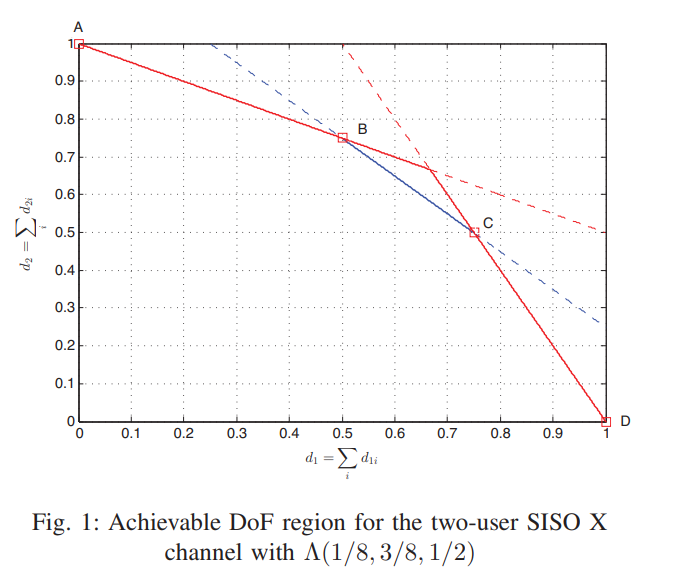
On the synergistic benefits of alternating CSIT for X channel within a four-symbol channel extension
In this paper, we investigate the degrees of freedom (DoF) of the two-user single input single output (SISO) X channel with alternating channel state information at the transmitters (CSIT). Three cases are considered for the availability of CSIT; perfect, delayed and no-CSIT. Each state is associated with a fraction of time denoted by λP, λD and λN, respectively. We provide new results for the
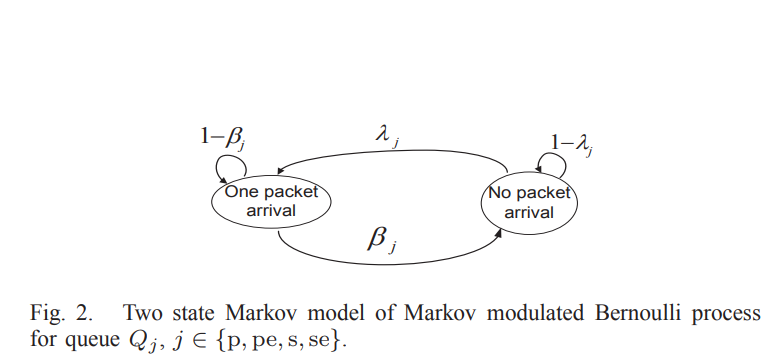
Optimal cooperative cognitive relaying and spectrum access for an energy harvesting cognitive radio: Reinforcement learning approach
In this paper, we consider a cognitive setting under the context of cooperative communications, where the cognitive radio (CR) user is assumed to be a self-organized relay for the network. The CR user and the primary user (PU) are assumed to be energy harvesters. The CR user cooperatively relays some of the undelivered packets of the PU. Specifically, the CR user stores a fraction of the
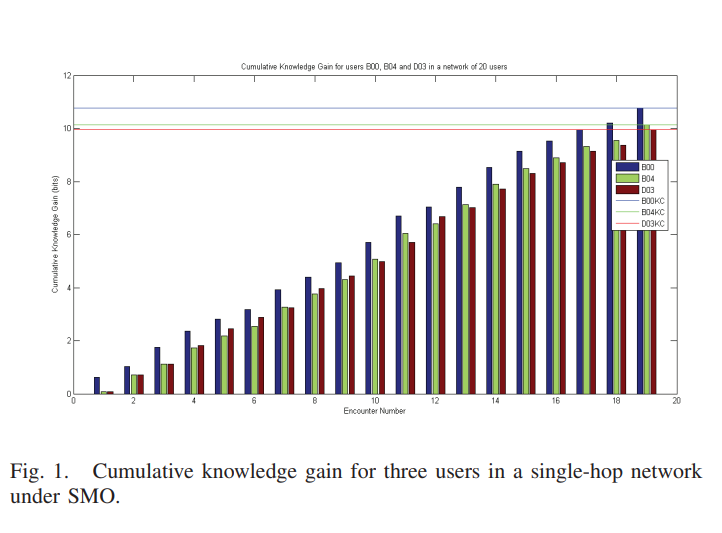
An information-theoretic model for knowledge sharing in opportunistic social networks
In this paper we establish fundamental limits on the performance of knowledge sharing in opportunistic social networks. In particular, we introduce a novel information-theoretic model to characterize the performance limits of knowledge sharing policies. Towards this objective, we first introduce the notions of knowledge gain and its upper bound, knowledge gain limit, per user. Second, we
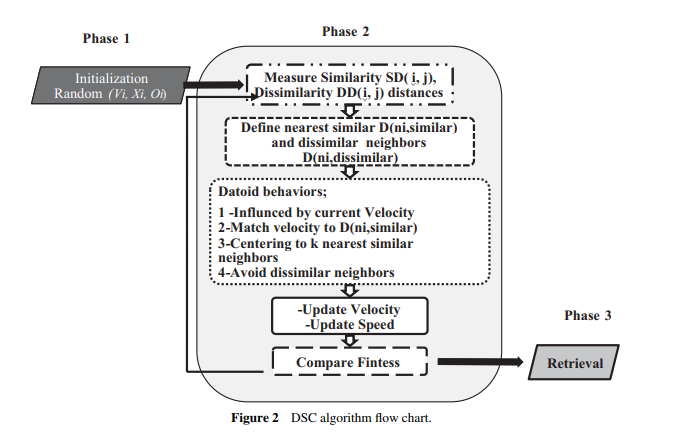
A Bilevel Traffic Data Extraction Procedure via Cellular Phone Network for Intercity Travel
The absence of traffic surveillance infrastructure, in many developing countries, hinders any efforts for dealing with the daily witnessed traffic chaos. The use of the cellular phone (CP) network data for traffic data collection is a promising option for large-scale coverage, given a high CP penetration rate. This article presents a bilevel procedure for the extraction of classified vehicular
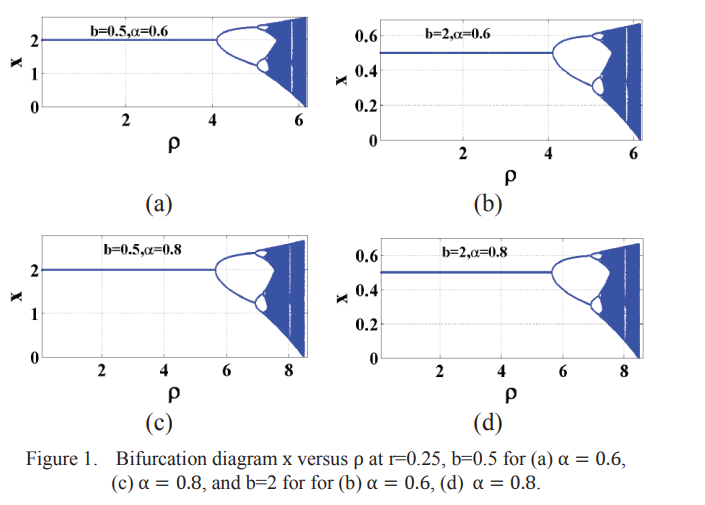
Generalized fractional logistic map suitable for data encryption
This paper presents a generalized form of the fractional logistic map. Two general parameters a and b are added to the classical fractional logistic equation. The effect of such parameters on the map is studied explicitly, in combination with the fractional order parameter α, which offers an extra degree of freedom increasing the design flexibility and adding more controllability on the design
Generalized delayed logistic map suitable for pseudo-random number generation
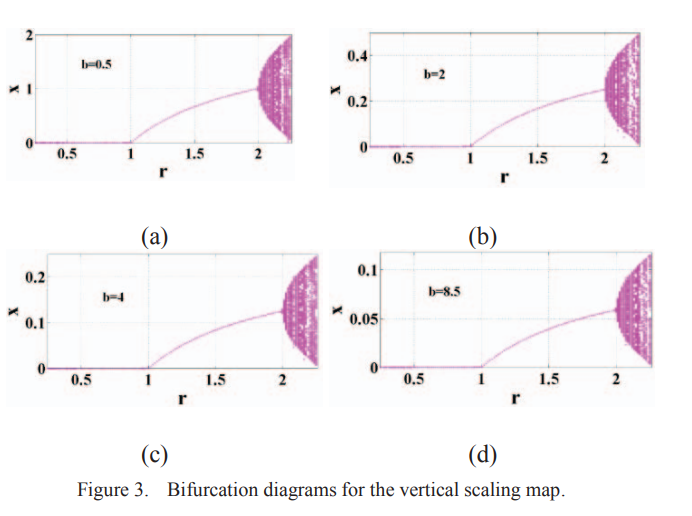
This paper presents the generalization of a delayed version of the logistic map. The effect of the added two general parameters is studied, which offers the option of having three different maps. The dynamic behavior of the vertical, zooming and the general map is analyzed. The study of the fixed points, stability ranges and bifurcation diagram of the delayed logistic map at hand is detailed in
Process variability in Cu2ZnSnSe4 solar cell devices: Electrical and structural investigations
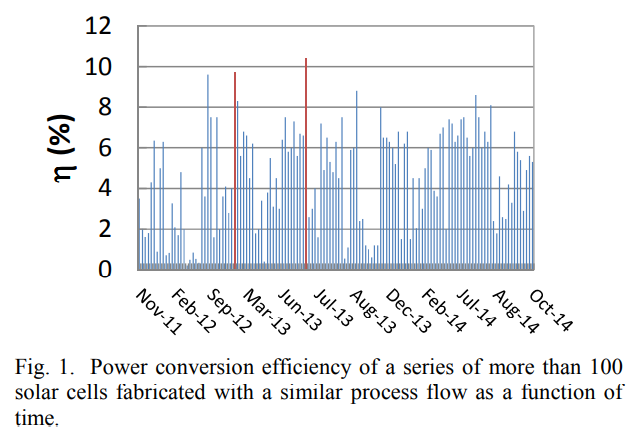
We have fabricated 9.7% efficient Cu2ZnSnSe4/CdS/ZnO solar cells by H2Se selenization of sequentially sputtered metal layers. Despite the good efficiency obtained, process control appears to be difficult. In the present contribution we compare the electrical and physical properties of two devices with nominal same fabrication procedure, but 1% and 9.7% power conversion efficiency respectively. We