


Publications
Publications
Filter by
Review of the missing mechanical element: Memdamper
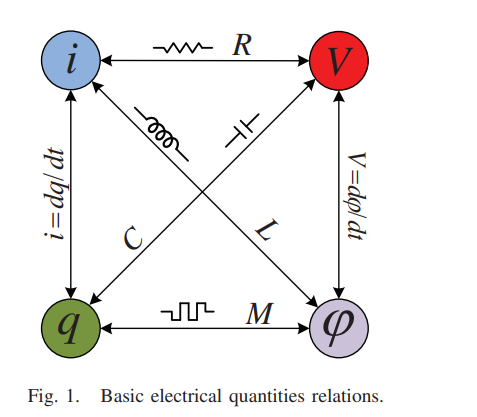
In this paper, the analogy between electrical and mechanical quantities is reviewed. Based on this analogy, there is a missing link between displacement and momentum. This missing link corresponds to the link between the charge and flux which represents the memristor. This link is still missing between the mechanical quantities. In this work, we shed the light on this missing mechanical element
3D surface reconstruction of retinal vascular structures
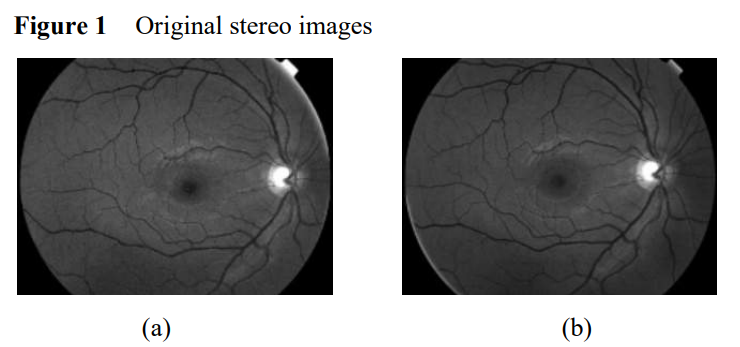
We propose in this paper, a three-dimensional surface reconstruction of a retinal vascular network from a pair of 2D retinal images. Our approach attempts to address the above challenges by incorporating an epipolar geometry estimation and adaptive surface modelling in a 3D reconstruction, using three steps: segmentation, 3D skeleton reconstruction and 3D surface modelling of vascular structures
Comparison and database development of four recent ASM3 model extensions
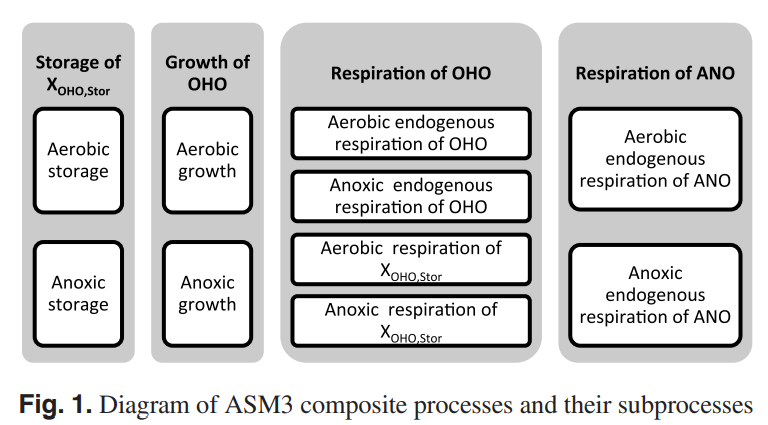
In the last decade, many Activated Sludge Model No. 3 (ASM3) extensions were proposed to adopt new concepts such as simultaneous storage and growth of heterotrophic organisms and two-step nitrification-denitrification processes. From these ASM3 model extensions, four are included in this study: ASM3 with two-step nitrification-denitrification, ASM3 for simultaneous autotrophic and heterotrophic
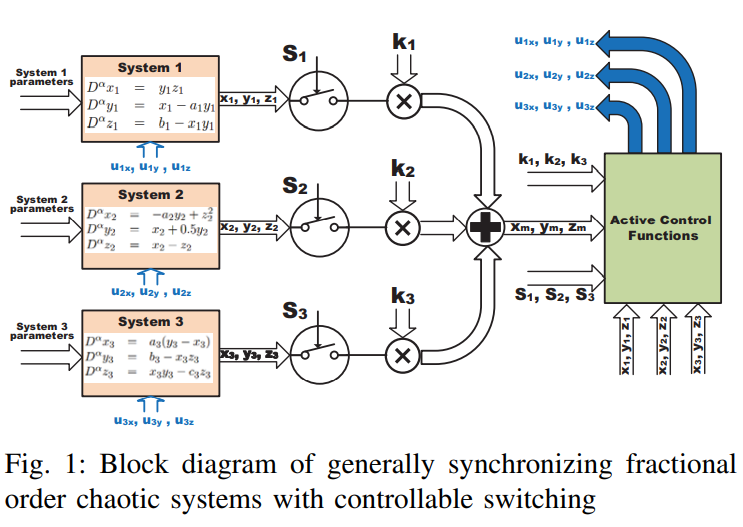
Switched active control synchronization of three fractional order chaotic systems
This paper discusses the continuous effect of fractional order parameter on two chaotic systems. Switched synchronization of three different fractional order chaotic systems is presented as an extension for synchronizing two different systems using active control. The proposed technique, which is based on the switching parameters and the scaling factors that control the choices of master and slave
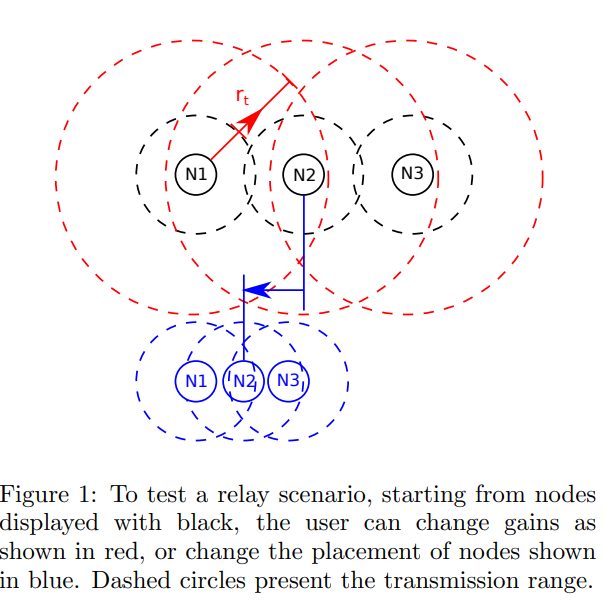
Topology realization using gain control for wireless testbeds
Wireless testbeds present a convenient and cost effective option for researchers in communications to validate their work. The main drawback of these testbeds is their reliance on nodes with fixed placement; this limits experimenters ability to test protocols that depend on a complex connectivity between the nodes such as relaying. In this work, we present a way to overcome this limitation; this
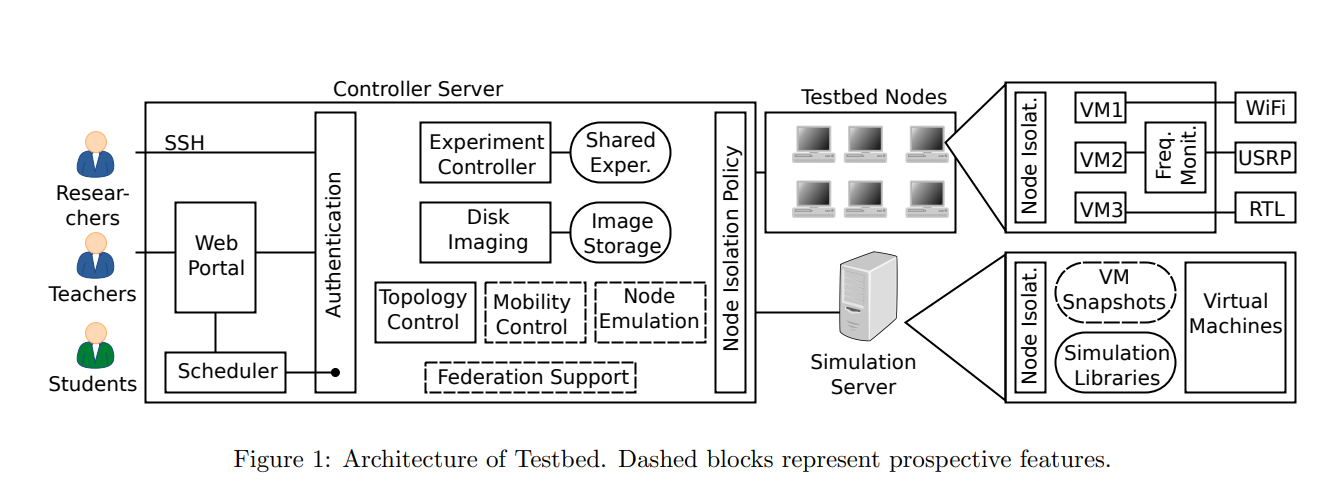
CRC: Collaborative research and teaching testbed for wireless communications and networks
The validation of wireless communications research, whether it is focused on PHY, MAC or higher layers, can be done in several ways, each with its limitations. Simulations tend to be simplified. Equipping wireless labs requires funding and time. Remotely accessible testbeds present a good option to validate research. The existing testbeds have gone a long way in building the infrastructure for
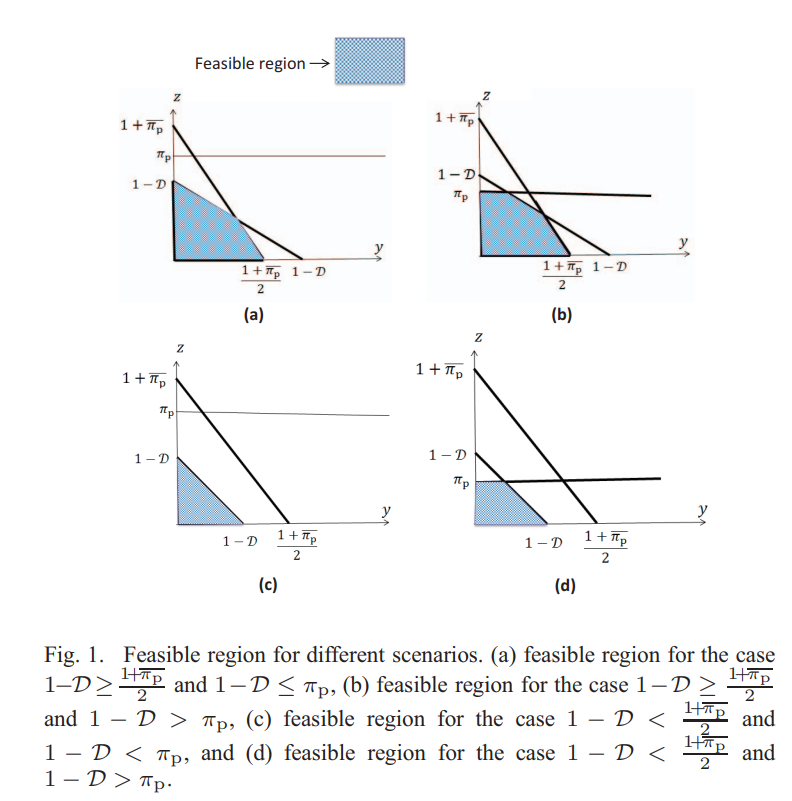
Protocol design and stability analysis of cooperative cognitive radio users
A single cognitive radio transmitter-receiver pair shares the spectrum with two primary users communicating with their respective receivers. Each primary user has a local traffic queue, whereas the cognitive user has three queues; one storing its own traffic while the other two are relaying queues used to store primary relayed packets admitted from the two primary users. A new cooperative
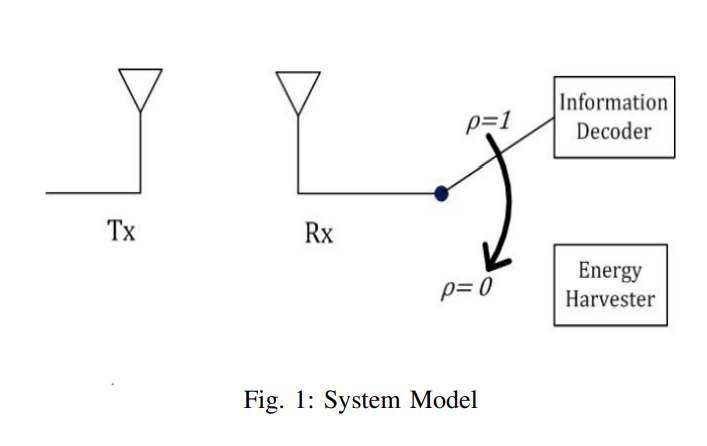
RF energy harvesting in wireless networks with HARQ
In this paper, we consider a class of wireless powered communication networks using data link layer hybrid automatic repeat request (HARQ) protocol to ensure reliable communications. In particular, we analyze the trade-off between accumulating mutual information and accumulating RF energy at the receiver of a point-to-point link using HARQ with incremental redundancy over a Rayleigh fading channel
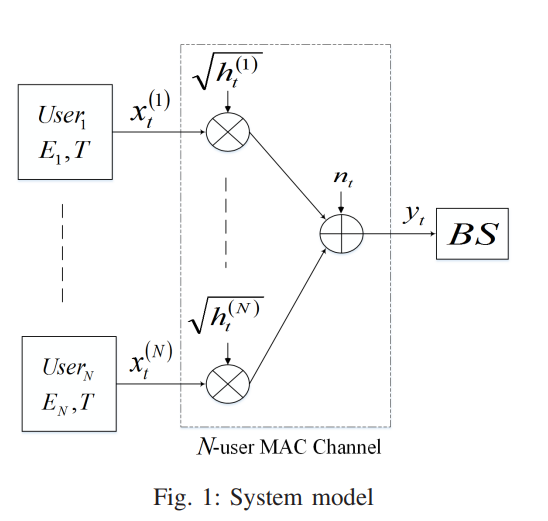
Optimal energy allocation for delay-constrained traffic over fading multiple access channels
In this paper, we consider a multiple-access fading channel where N users transmit to a single base station (BS) within a limited number of time slots. We assume that each user has a fixed amount of energy available to be consumed over the transmission window. We derive the optimal energy allocation policy for each user that maximizes the total system throughput under two different assumptions on