



Publications
Publications
Filter by
Towards Efficient Online Topic Detection through Automated Bursty Feature Detection from Arabic Twitter Streams
Detecting trending topics or events from Twitter is an active research area. The first step in detecting such topics focuses on efficiently capturing textual features that exhibit an unusual high rate of appearance during a specific timeframe. Previous work in this area has resulted in coining the term "detecting bursty features" to refer to this step. In this paper, TFIDF, entropy, and stream
MC-GenomeKey: A multicloud system for the detection and annotation of genomic variants
Convolutional Neural Network-Based Deep Urban Signatures with Application to Drone Localization
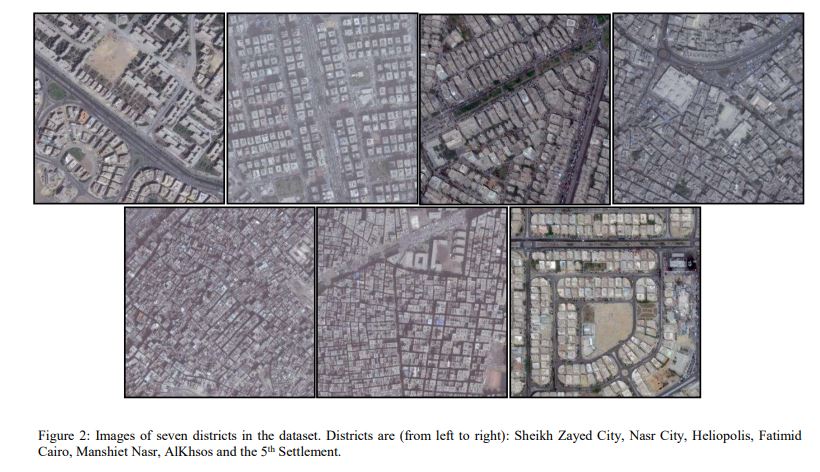
Most commercial Small Unmanned Aerial Vehicles (SUAVs) rely solely on Global Navigation Satellite Systems (GNSSs) - such as GPS and GLONASS - to perform localization tasks during the execution of autonomous navigation activities. Despite being fast and accurate, satellite-based navigation systems have typical vulnerabilities and pitfalls in urban settings that may prevent successful drone
AraVec: A set of Arabic Word Embedding Models for use in Arabic NLP
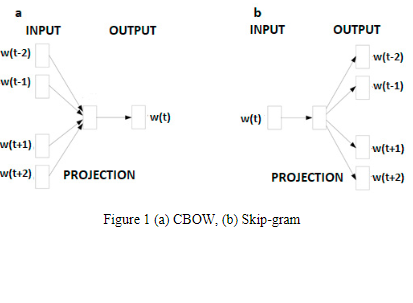
Advancements in neural networks have led to developments in fields like computer vision, speech recognition and natural language processing (NLP). One of the most influential recent developments in NLP is the use of word embeddings, where words are represented as vectors in a continuous space, capturing many syntactic and semantic relations among them. AraVec is a pre-Trained distributed word
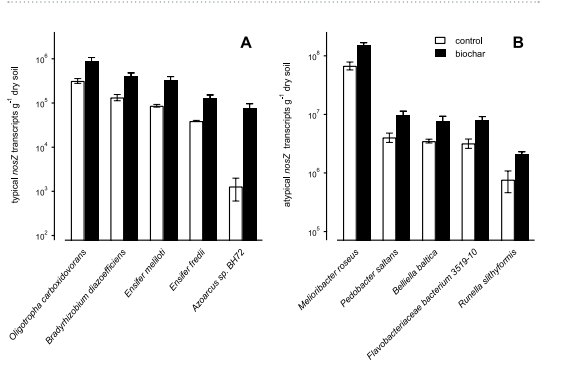
Soil biochar amendment affects the diversity of nosZ transcripts: Implications for N2O formation
Microbial nitrogen transformation processes such as denitrification represent major sources of the potent greenhouse gas nitrous oxide (N2O). Soil biochar amendment has been shown to significantly decrease N2O emissions in various soils. However, the effect of biochar on the structure and function of microbial communities that actively perform nitrogen redox transformations has not been studied in

Detecting and Integrating Multiword Expression into English-Arabic Statistical Machine Translation
In this paper we introduce a new method for detecting a type of English Multiword Expressions (MWEs), which is phrasal verbs, into an English-Arabic phrase-based statistical machine translation (PBSMT) system. The detection starts with parsing the English side of the parallel corpus, detecting various linguistic patterns for phrasal verbs and finally integrate them into the En-Ar PBSMT system. In
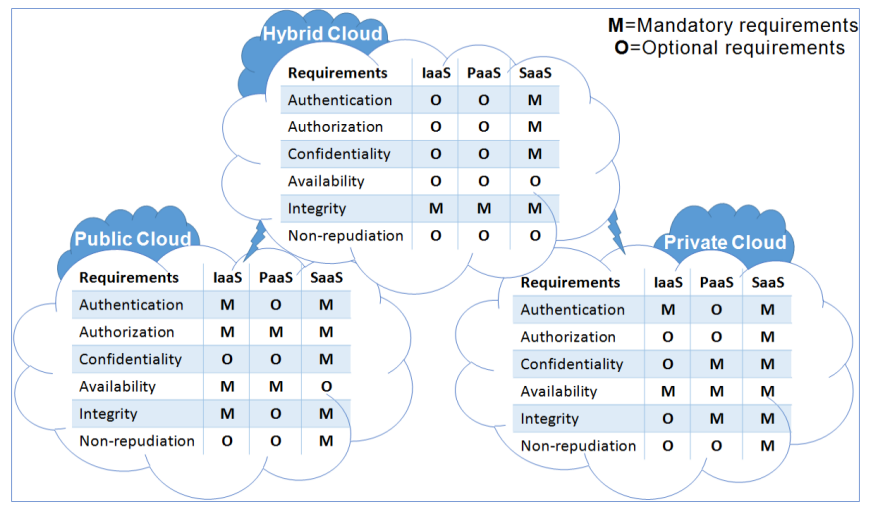
Cloud computing security: Challenges & future trends
Cloud computing is one of the most trendy terminologies. Cloud providers aim to satisfy clients' requirements for computing resources such as services, applications, networks, storage and servers. They offer the possibility of leasing these resources rather than buying them. Many popular companies, such as Amazon, Google and Microsoft, began to enhance their services and apply the technology of
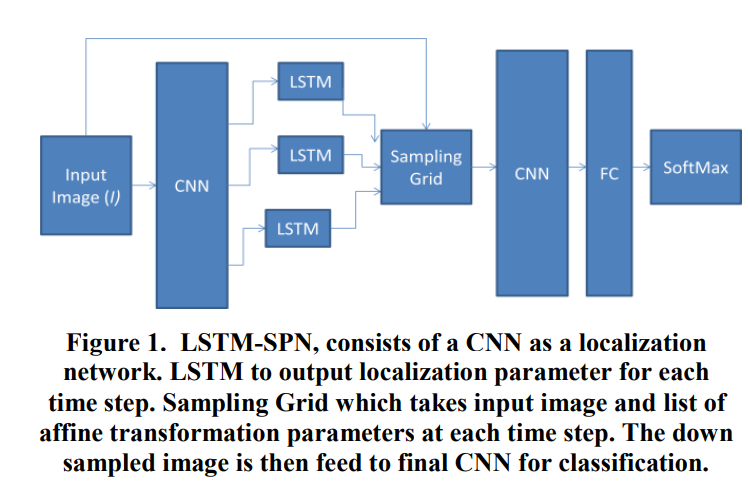
Optical character recognition using deep recurrent attention model
We address the problem of recognizing multi-digit numbers in optical character images. Classical approaches to solve this problem include separate localization, segmentation and recognition steps. In this paper, an integrated approach to multi-digit recognition from raw pixels to ultimate multi class labeling is proposed by using recurrent attention model based on a spatial transformer model
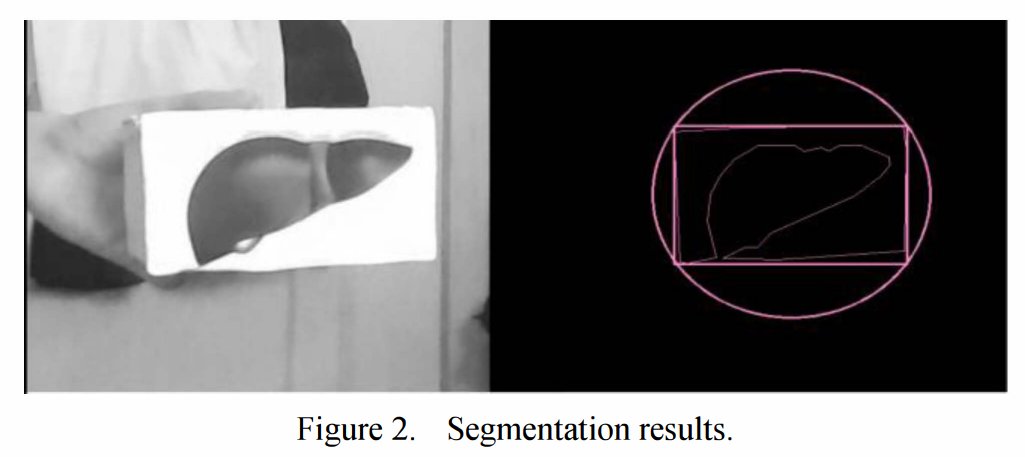
Vision capabilities for a humanoid robot tutoring biology
Robots are expected to be the future solution in various fields. One of these fields is education. Teachers, students and robots have to work together to make this assumption true. For this, robots must have the adequate capabilities that can help them succeed. Vision of the robot is an essential tool that the robot uses to perform several tasks. Hence, it has to be taken into consideration, the
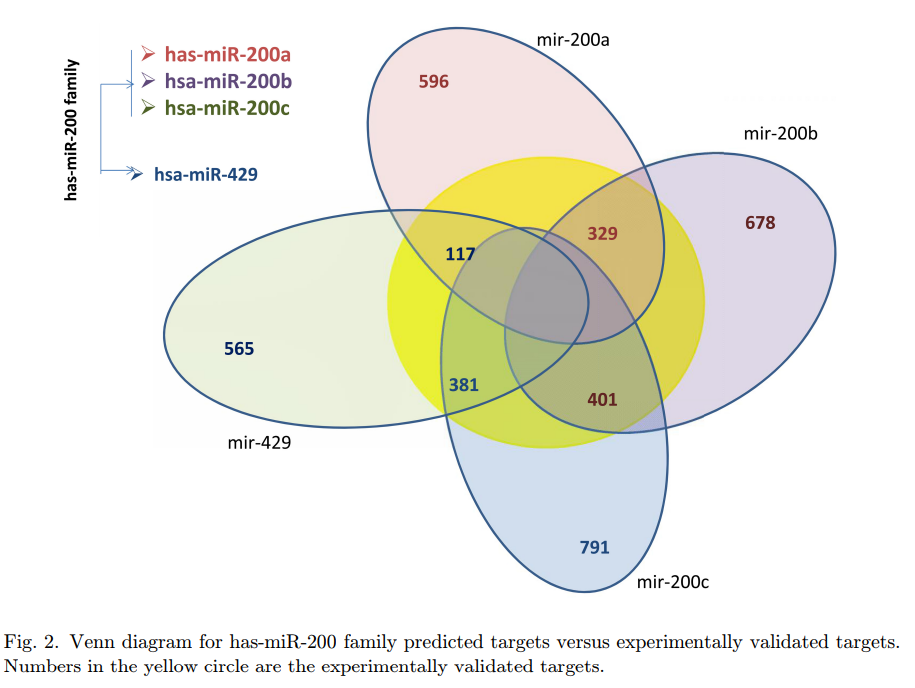
MicroTarget: MicroRNA target gene prediction approach with application to breast cancer
MicroRNAs are known to play an essential role in gene regulation in plants and animals. The standard method for understanding microRNA-gene interactions is randomized controlled perturbation experiments. These experiments are costly and time consuming. Therefore, use of computational methods is essential. Currently, several computational methods have been developed to discover microRNA target