Publications
Publications
Filter by
Accurate analysis of cardiac tagged MRI using combined HARP and optical flow tracking
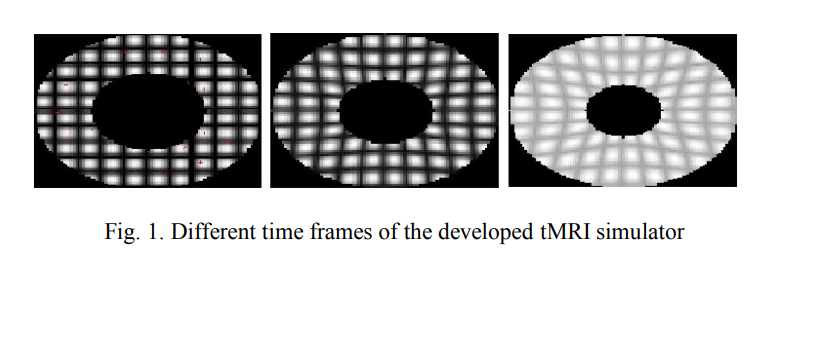
In this work, we present a new method for analyzing cardiac tagged Magnetic Resonance Imaging (tMRI). The method combines two major tracking techniques: Harmonic Phase (HARP) and Optical Flow (OF). The results of the two techniques are fused together to accurately estimate the displacement of each myocardium point. The developed methods were tested using numerical MRI phantom at different SNR
Organizational risk assessment based on attacks repetition
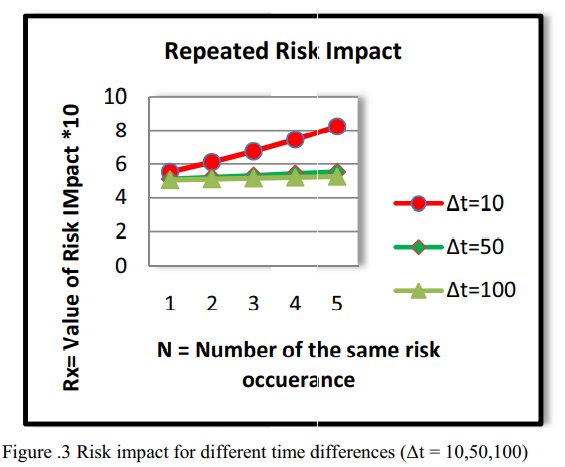
Risk assessment is a very critical and important process to protect the organization assets and reputation against security threats and risks. It provides a clear picture of the current threats that the organization is facing and helps the top management to take the right decision to eliminate or mitigate those risks. Usually if the vulnerability is exploited, the same attack may be happen twice
Computing the burrows-wheeler transform of a string and its reverse
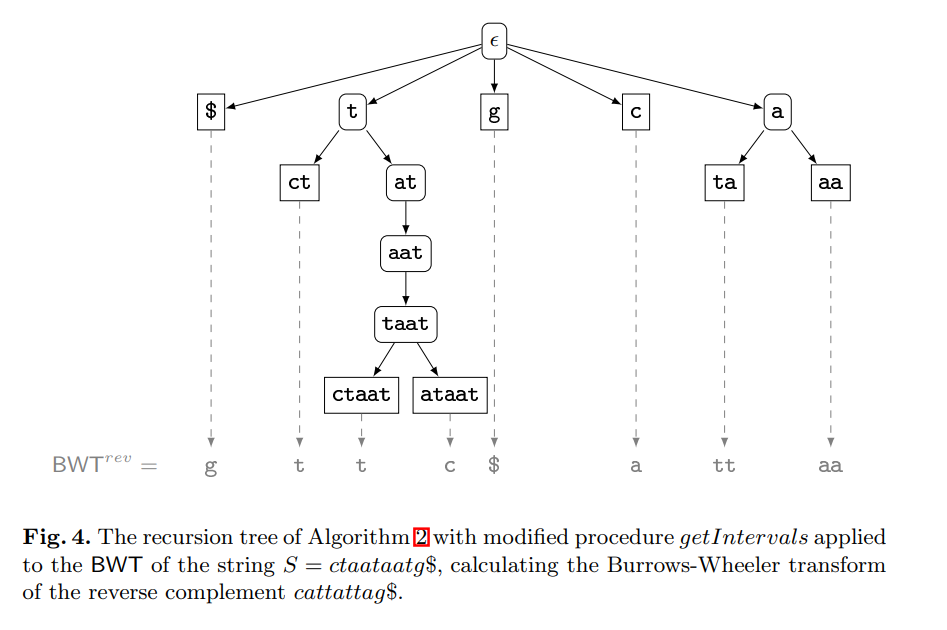
The contribution of this paper is twofold. First, we provide new theoretical insights into the relationship between a string and its reverse: If the Burrows-Wheeler transform (BWT) of a string has been computed by sorting its suffixes, then the BWT and the longest common prefix array of the reverse string can be derived from it without suffix sorting. Furthermore, we show that the longest common

Shapiro and parametric resonances in coupled Josephson junctions
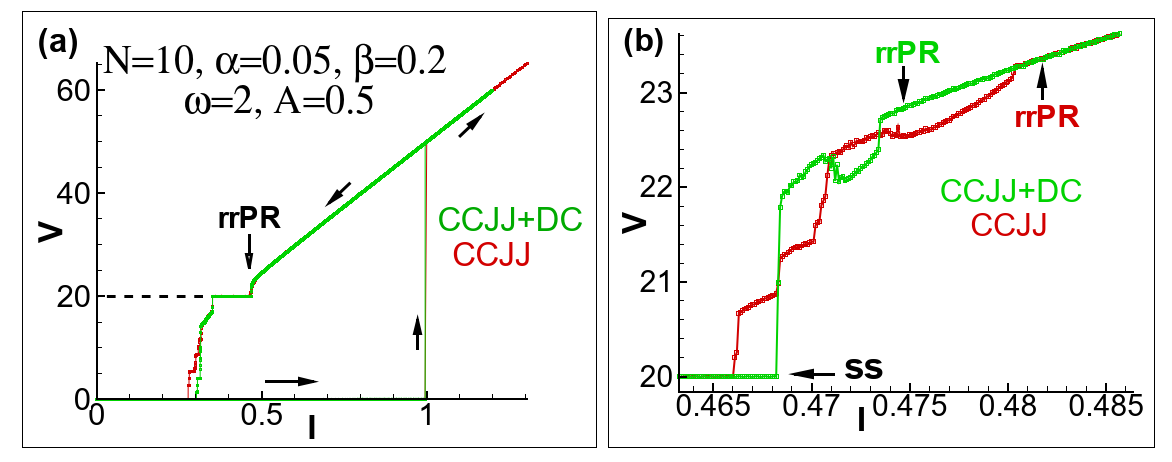
The effect of microwave irradiation on the phase dynamics of intrinsic Josephson junctions in high temperature superconductors is investigated. We compare the current-voltage characteristics for a stack of coupled Josephson junctions under external irradiation calculated in the framework of CCJJ and CCJJ+DC models.
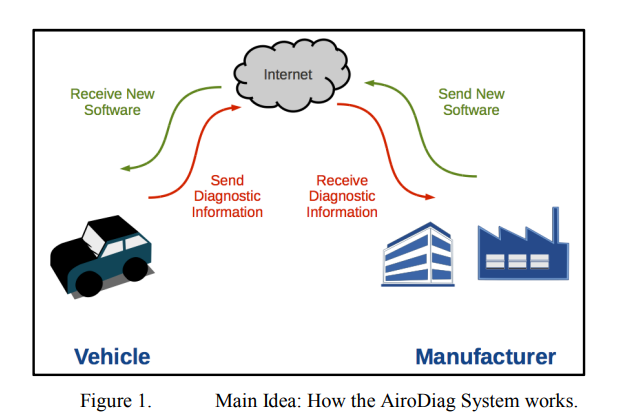
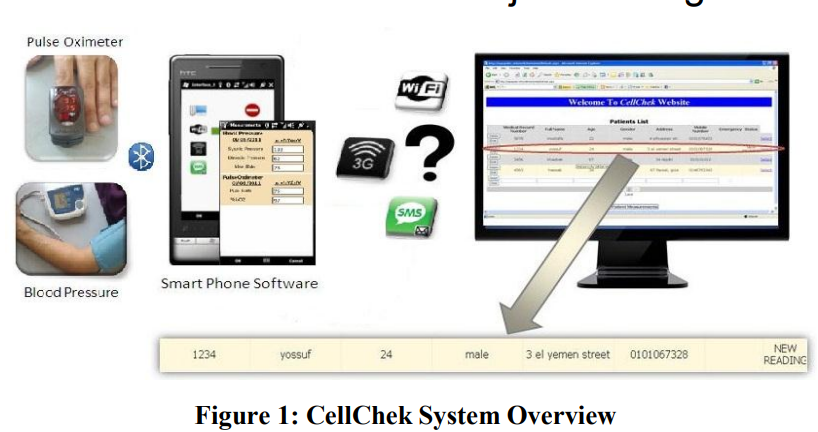
AiroDiag: A sophisticated tool that diagnoses and updates vehicles software over air
This paper introduces a novel method for diagnosing embedded systems and updating embedded software installed on the electronics control units of vehicles through the Internet using client and server units. It also presents the communication protocols between the vehicle and the manufacturer for instant fault diagnosis and software update while ensuring security for both parties. AiroDiag ensures
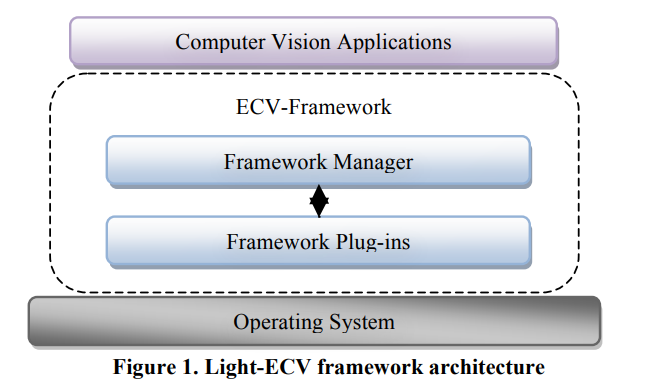
Light-ECV: An intelligent lightweight framework for embedded computer vision applications
Recent developments in embedded systems open up a new realm of computer vision applications in surveillance and healthcare delivery, etc. However, such applications require high computational resources, which is challenging for embedded devices that are characterized by constrained processing power and limited memory capacity. In this paper we present a novel intelligent framework that enables
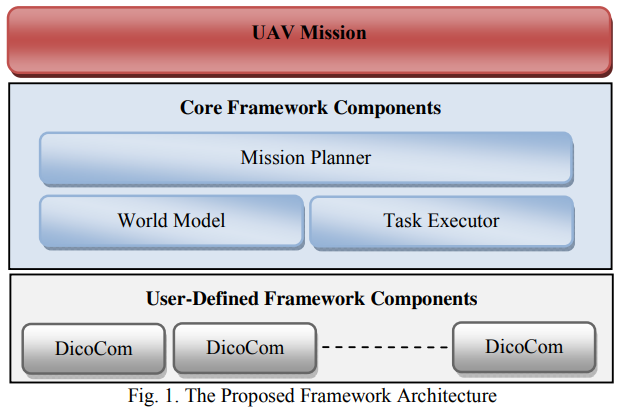
Distributed component-based framework for Unmanned Air Vehicle systems
Unmanned Air Vehicles (UAVs) are gaining increased importance in a variety of applications, both military and civilian, due to their ability to carry out critical missions with reduced costs and minimal risks to human life. However, a UAV system is essentially a complex distributed system involving multiple heterogeneous software and hardware modules. The seamless integration of such components is
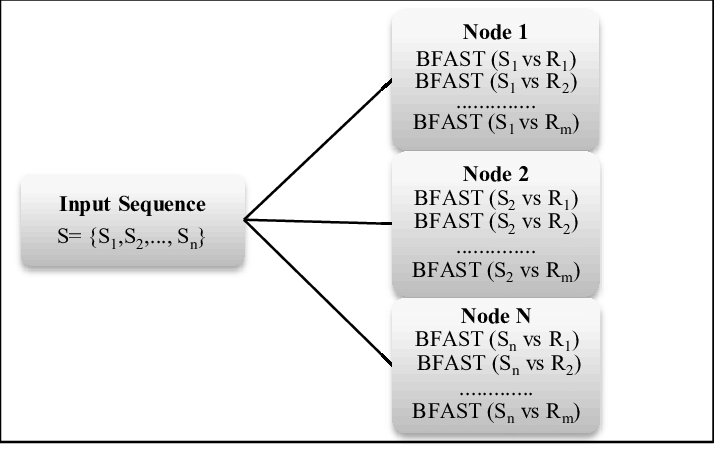
Efficient alignment of next generation sequencing data using MapReduce on the cloud
This paper presents a methodology for running NGS read mapping tools in the cloud environment based on the MapReduce programming paradigm. As a demonstration, the recently developed and robust sequence alignment tool, BFAST, is used within our methodology to handle massive datasets. The results of our experiments show that the transformation of existing read mapping tools to run within the
Visual analytics for network security
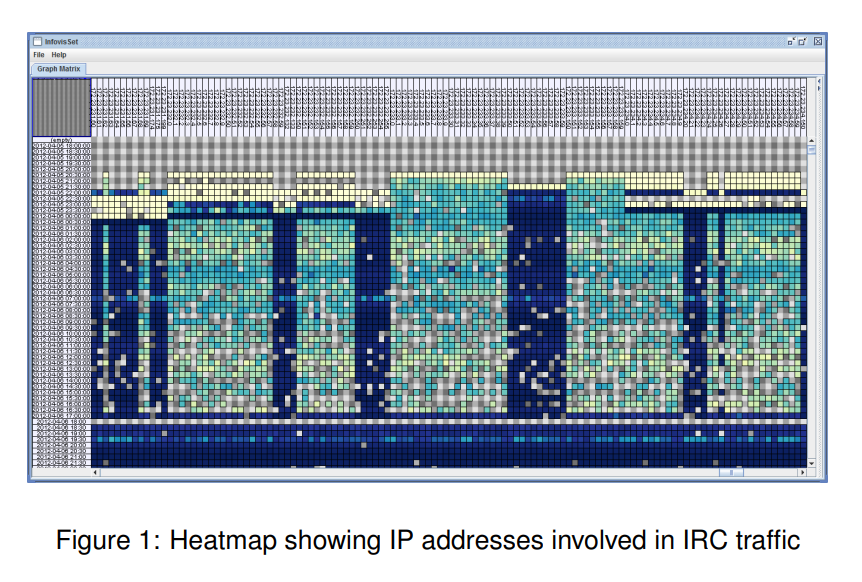
To visualize the VAST 2012 Mini Challenge 2 datasets, we use the InfoVis Toolkit (IVTK). Custom visualizations as well as extra interaction capabilities have been added to the toolkit. Custom-made Python scripts are used for data preprocessing purposes. In this work, we show how visualization tools may be combined to leverage network forensic analysis tasks. © 2012 IEEE.