



Publications
Publications
Filter by
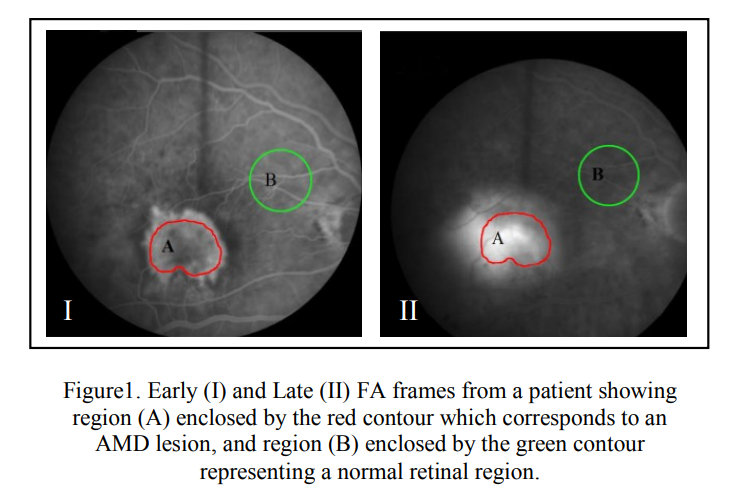
Quantitative assessment of age-related macular degeneration using parametric modeling of the leakage transfer function: Preliminary results
Age-related macular degeneration (AMD) is a major cause of blindness and visual impairment in older adults. The wet form of the disease is characterized by abnormal blood vessels forming a choroidal neovascular membrane (CNV), that result in destruction of normal architecture of the retina. Current evaluation and follow up of wet AMD include subjective evaluation of Fluorescein Angiograms (FA) to
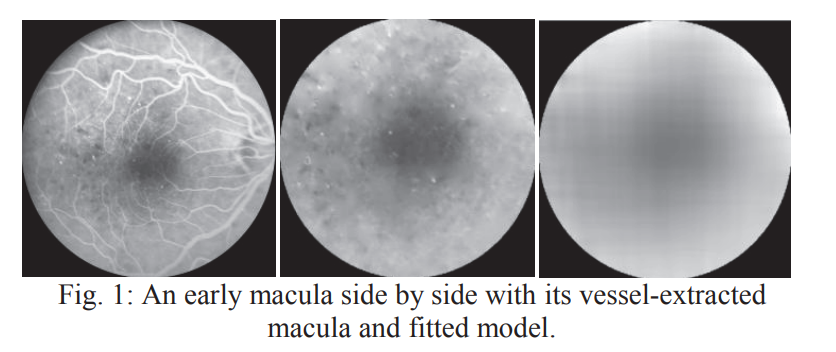
Quantitative assessment of Diabetic Macular Edema using fluorescein leakage maps
Diagnosis of Diabetic Macular Edema (DME) from Fundus Fluorescein Angiography (FFA) image sequences is a standard clinical practice. Nevertheless, current methods depend on subjective evaluation of the amount of fluorescein leakage in the images which lack reproducibility and require well-trained grader. In this work, we present a method for processing FFA images to generate a fluorescein leakage
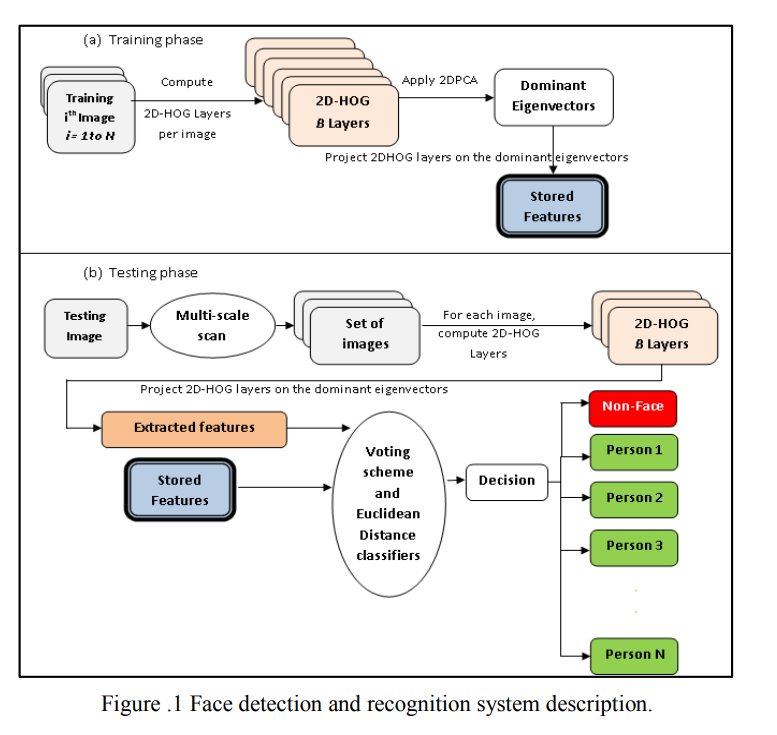
A novel algorithm for simultaneous face detection and recognition
Face detection and recognition has been introduced in many real world applications. Several algorithms have been implemented for either detection or recognition. In this paper, a novel algorithm, which simultaneously detects and recognizes facial images employing the same method, is presented. The proposed algorithm is based on a new 2D representation for the Histogram of Oriented Gradients (2D
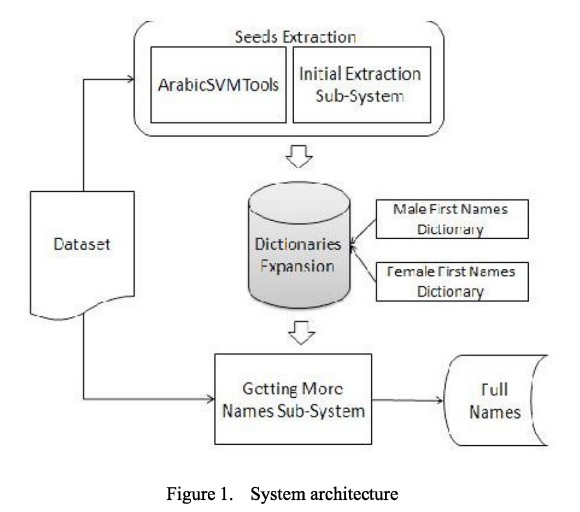
Person name extraction from modern standard Arabic or colloquial text
Person Name extraction from Arabic text is a challenging task. While most existing Arabic texts are written in Modern Standard Arabic Text (MSA) the volume of Arabic Colloquial text is increasing progressively with the wide spread use of social media examples of which are Facebook, Google Moderator and Twitter. Previous work addressed extracting persons' names from MSA text only and especially

TopicAnalyzer: A system for unsupervised multi-label Arabic topic categorization
The wide spread use of social media tools and forums has led to the production of textual data at unprecedented rates. Without summarization, classification or other form of analysis, the sheer volume of this data will often render it useless and human analysis on this scale is next to impossible. The work presented in this paper focuses on investigating an approach for classifying large volumes
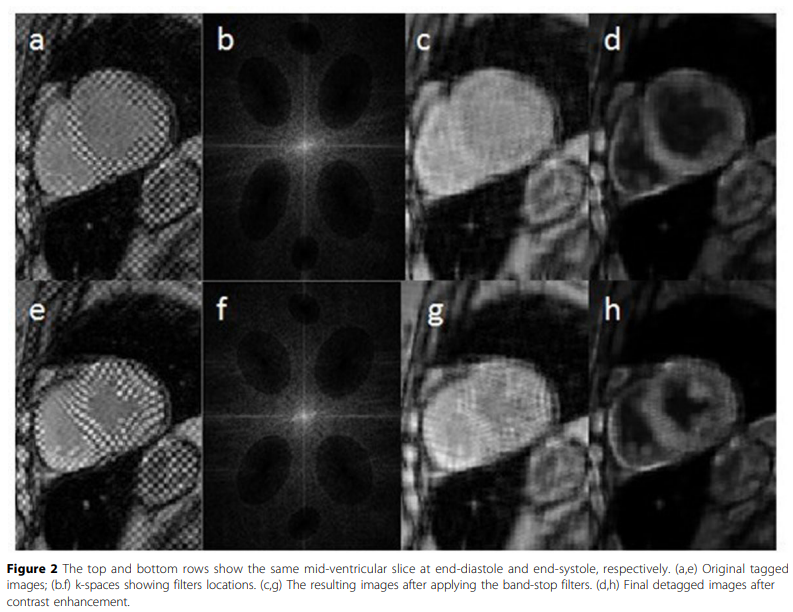
Evaluation of the cardiac global function from tagged magnetic resonance images
Tagged Magnetic Resonance (MR) images are considered the gold standard for evaluating the cardiac regional function. Nevertheless, the low myocardium-to-blood contrast in tagged MR images prevents accurate segmentation of the myocardium, and hence, hinders the quantitative assessment of the global function of the heart. In this work, a method for enhancing the myocardium-to-blood contrast in
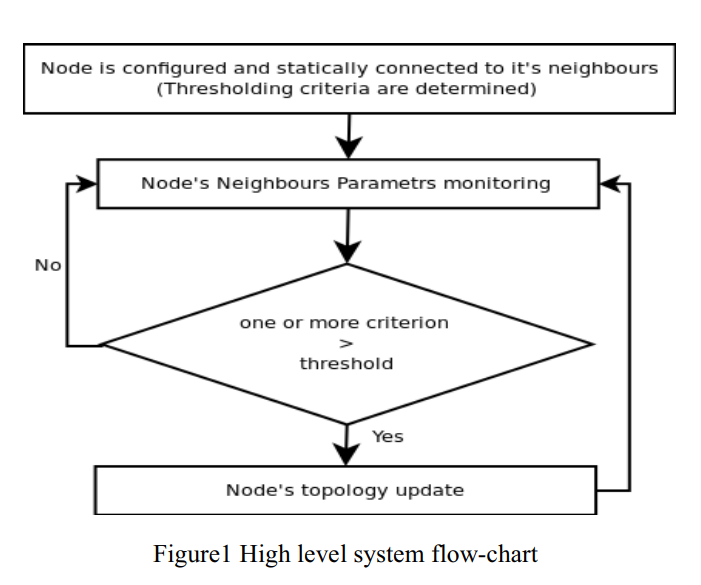
Janitor, certificate and jury (JCJ): Trust scheme for wireless ad-hoc networks
Ad hoc networks are peer mobile nodes that self configure to form a network. In these types of networks there is no routing infrastructure, and usually nodes have limited resources. This imposes a serious problem due to some nodes' selfishness and willingness to preserve their resources. Many approaches have been proposed to deal with this problem and mitigate the selfishness; amongst these
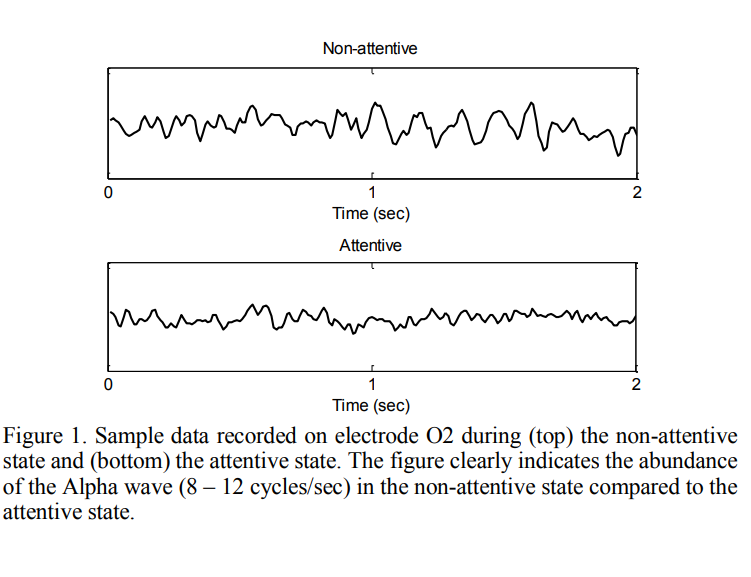
EEG spectral analysis for attention state assessment: Graphical versus classical classification techniques
Advances in Brain-computer Interface (BCI) technology have opened the door to assisting millions of people worldwide with disabilities. In this work, we focus on assessing brain attention state that could be used to selectively run an application on a hand-held device. We examine different classification techniques to assess brain attention state. Spectral analysis of the recorded EEG activity was
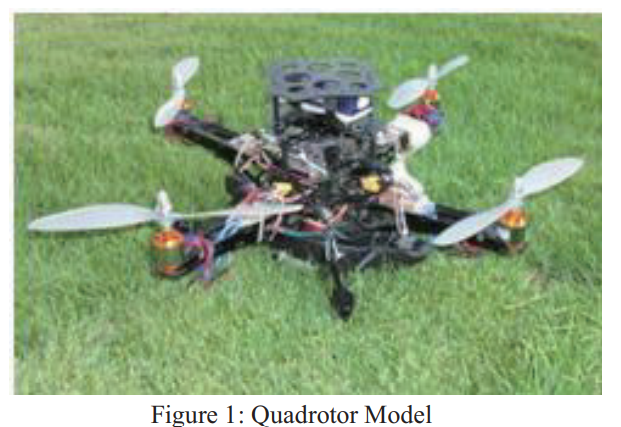
On-board multiple target detection and tracking on camera-equipped aerial vehicles
This paper presents a novel automatic multiple moving target detection and tracking framework that executes in real-time with enhanced accuracy and is suitable for UAV imagery. The framework is deployed for on-board processing and tested over datasets collected by our UAV system. The framework is based on image feature processing and projective geometry and is carried out on the following stages
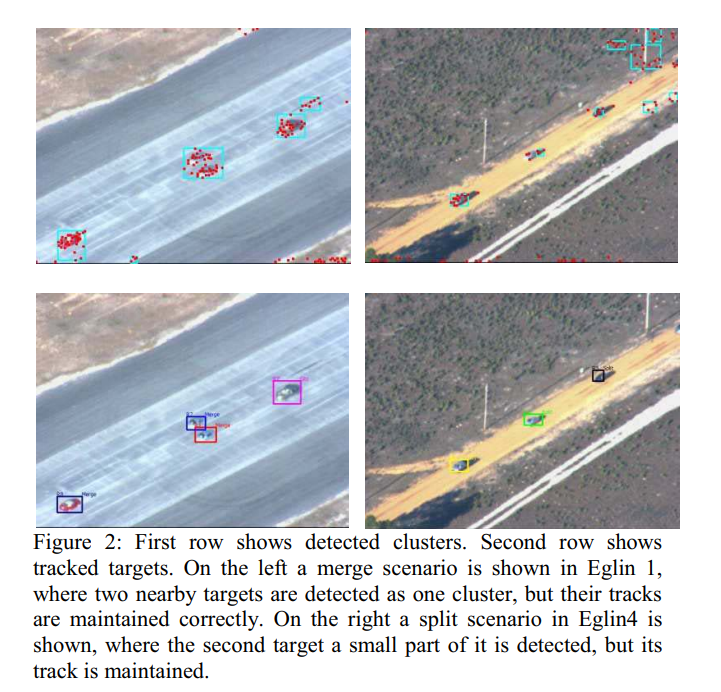
Robust autonomous visual detection and tracking of moving targets in UAV imagery
The use of Unmanned Aerial Vehicles (UAVs) for reconnaissance and surveillance applications has been steadily growing over the past few years. The operations of such largely autonomous systems rely primarily on the automatic detection and tracking of targets of interest. This paper presents a novel automatic multiple moving target detection and tracking framework that executes in real-time and is