



Publications
Publications
Filter by
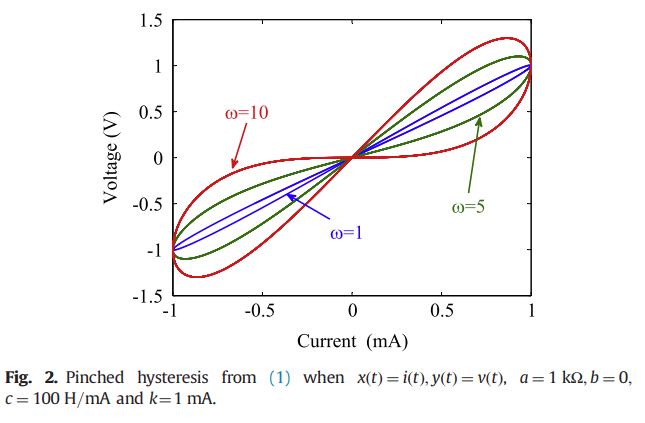
Pinched hysteresis with inverse-memristor frequency characteristics in some nonlinear circuit elements
Abstract Pinched hysteresis is considered to be a signature of the existence of memristance. However, here we report on a model that exhibits pinched hysteresis yet it may represent a nonlinear inductor or a nonlinear capacitor (both with quadratic nonlinearity) or a derivative-controlled nonlinear resistor/transconductor. Further, the lobe area of the pinched hysteresis loop in these devices has
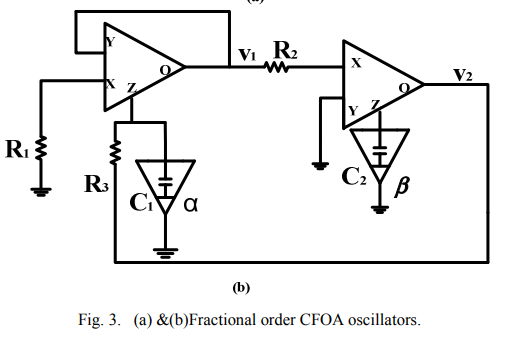
Current feedback operational amplifier (CFOA) based fractional order oscillators
This paper presents a study of fractional order oscillators based on current feedback operational amplifiers (CFOA). Two general cases have been discussed for the oscillation frequency and condition with the use of two fractional order elements of different orders. Design procedure for the two general cases is illustrated with numerical discussions. Circuit simulations for some special cases are
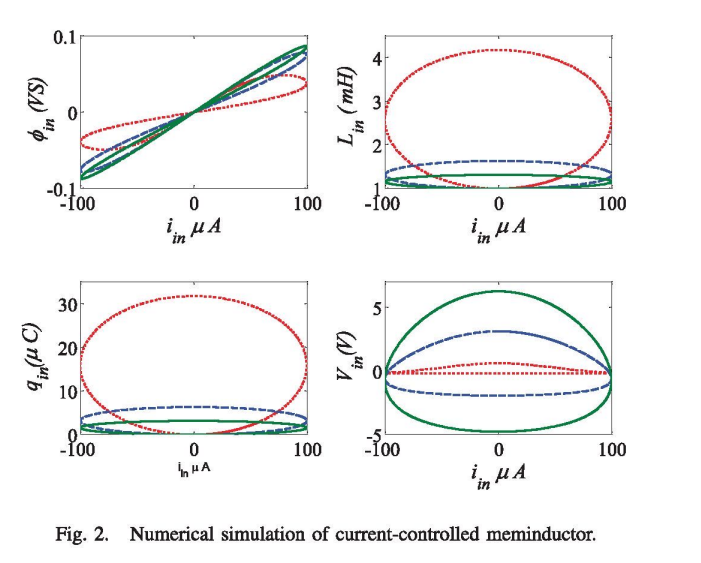
Memristor-less current- and voltage-controlled meminductor emulators
This paper introduces two mathematical models of meminductor based on a simple symmetrical double-loop equation with their generic formulas and analysis. Moreover, new circuits based on CCII are developed for emulating the behavior of the current-controlled and voltage-controlled models. The proposed circuits are realized without using a memristor unlike the previous emulators. Finally, the
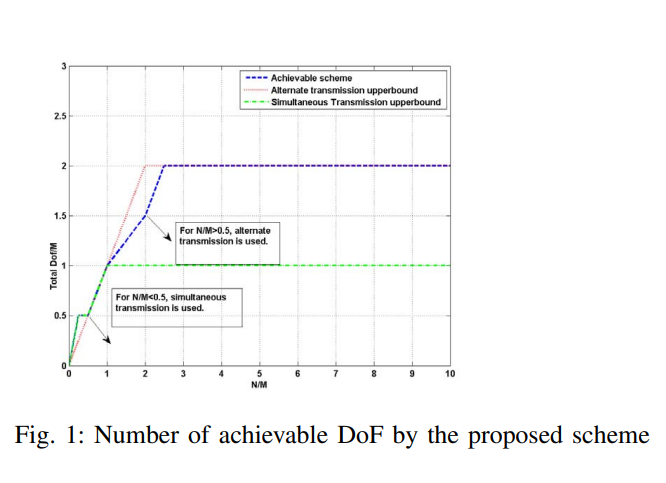
Alternate versus simultaneous relaying in MIMO cellular relay networks: A degrees of freedom study
In this paper, a two-hop cellular relay network consisting of two source-destination pairs equipped with M antennas is considered where each source is assisted by two decode-and-forward relays operating in half-duplex mode and the relays are equipped with N antennas. The DoF of the system is investigated for both simultaneous and alternate relaying configurations. For each relay configuration, an
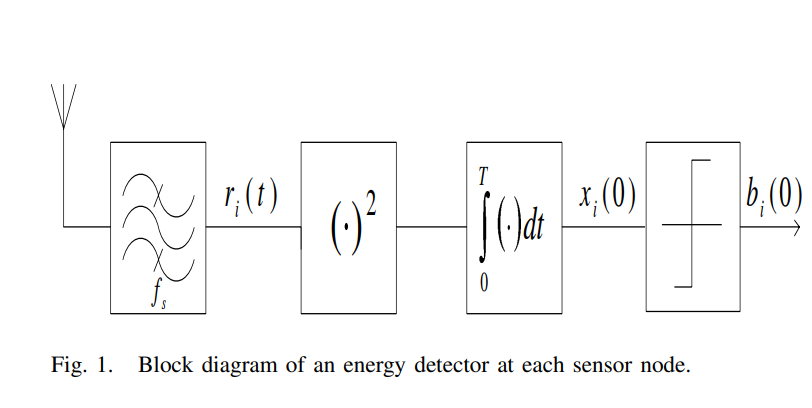
Censoring for improved sensing performance in infrastructure-less cognitive radio networks
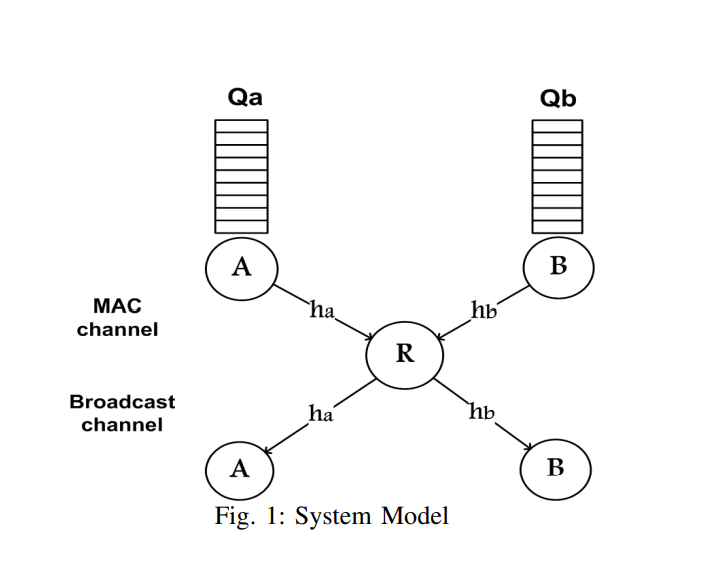
Maximum throughput opportunistic network coding in Two-Way Relay networks
In this paper, we study Two-Way Relaying (TWR) networks well-known for its throughput merits. In particular, we study the fundamental throughput delay trade-off in TWR networks using opportunistic network coding (ONC). We characterize the optimal ONC policy that maximizes the aggregate network throughput subject to an average packet delay constraint. Towards this objective, first, we consider a
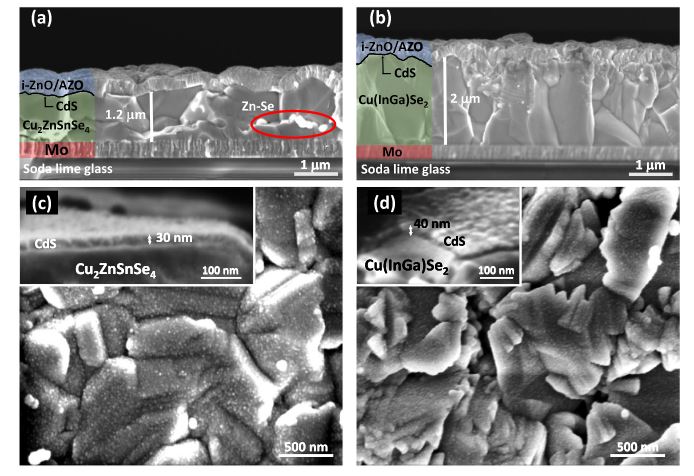
Impact of the Cd2+ treatment on the electrical properties of Cu2ZnSnSe4 and Cu(In,Ga)Se2 solar cells
Modification of the absorber surface properties by Cd2+ treatment (Cd2+ partial electrolyte) results in the following: formation of Cd(OH)2 on the absorber surface, deposition of thinner chemical bath-deposited CdS buffer layer, and a smaller space charge region. The impact on electrical performances is as follows: decrease of the series resistance (RS), increase of the fill factor, increase of
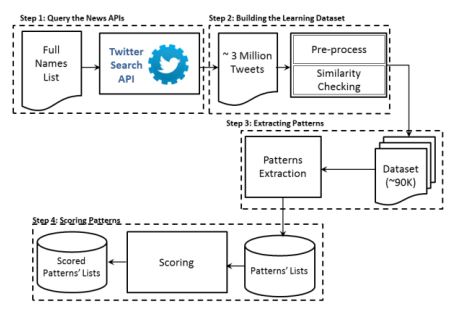
Named entity recognition of persons' names in Arabic tweets
The rise in Arabic usage within various socialmedia platforms, and notably in Twitter, has led to a growing interest in building ArabicNatural Language Processing (NLP) applications capable of dealing with informal colloquialArabic, as it is the most commonly used form of Arabic in social media. The uniquecharacteristics of the Arabic language make the extraction of Arabic named entities
New governance framework to secure cloud computing
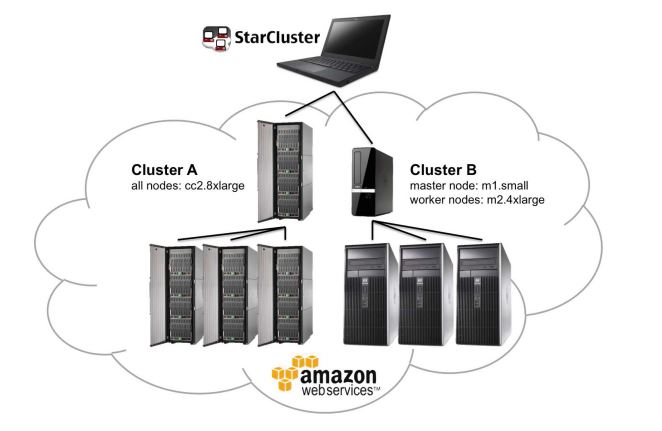
Cloud computing is enabling proper, on-demand network access to a shared pool of computing resources that is elastic in reserve and release with minimal interaction from cloud service provider. As cloud gains maturity, cloud service providers are becoming more competitive, which increase the percentage of cloud adoption. But security remains the most cited challenge in Cloud. So, while we are
Traffisense: A smart integrated visual sensing system for traffic monitoring
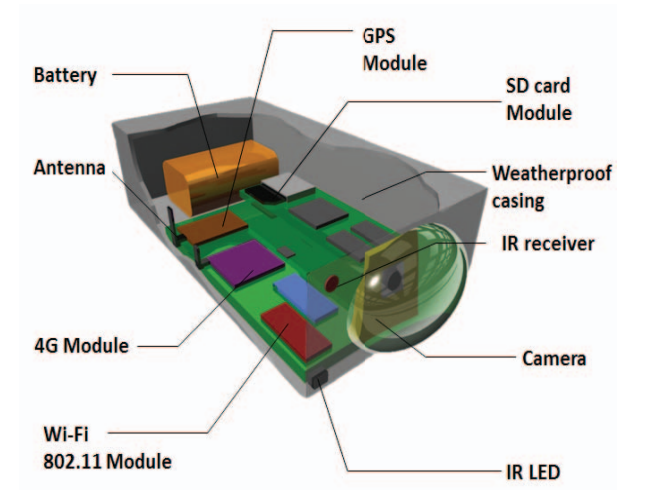
Intelligent camera systems provide an effective solution for road traffic monitoring with traffic stream characteristics, such as volumes and densities, continuously computed and relayed to control stations. However, developing a functional vision-based traffic monitoring system is a complex task that entails the creation of appropriate visual sensing platforms with on-board visual analytics