



Publications
Publications
Filter by

Interference-based optimal power-efficient access scheme for cognitive radio networks
In this paper, we propose a new optimization-based access strategy of multi-packet reception (MPR) channel for multiple secondary users (SUs) accessing the primary user (PU) spectrum. We devise an analytical model that realizes the multi-packet access strategy of the SUs. All the network receiving nodes have MPR capability. We aim at maximizing the throughput of the individual SUs subject to the
Power dissipation of memristor-based relaxation oscillators
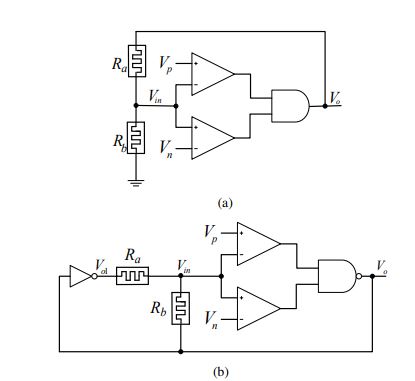
Recently, many reactance-less memristive relaxation oscillators were introduced, where the charging and discharging processes depend on memristors. In this paper, we investigate the power dissipation in different memristor based relaxation oscillators. General expressions for these memristive circuits as well as the power dissipation formulas for three different topologies are derived analytically
Memcapacitor based applications
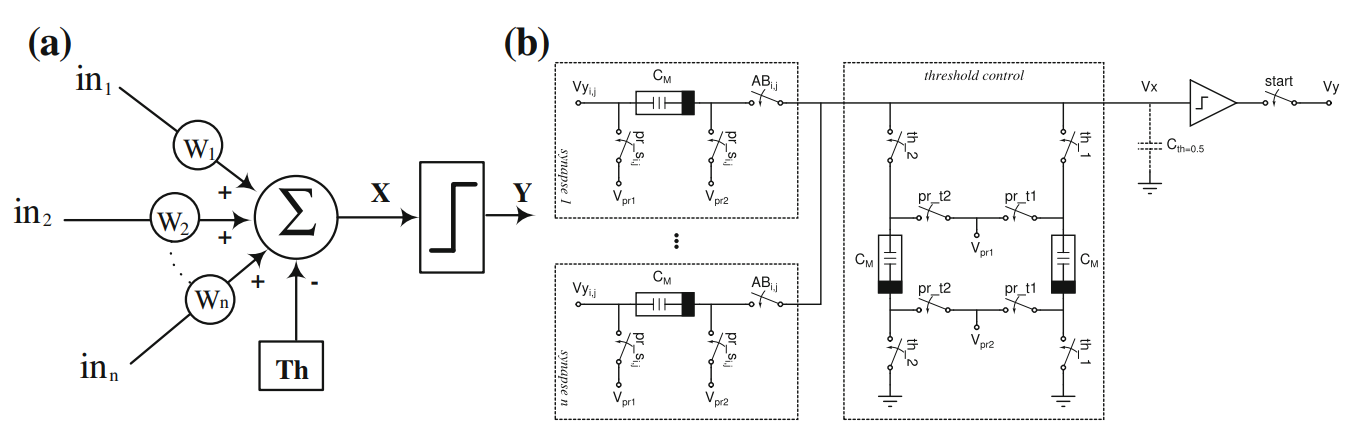
This chapter is divided into three sections focusing on some memcapacitor-based applications. The first one discusses the mathematical analyses and design of resistive-less memcapacitor-based relaxation oscillators where different cases have been investigated and validated. Analytical expressions for the oscillation frequency, duty cycle, stored energy, and conditions of oscillation have been
Memristor-based multilevel digital systems
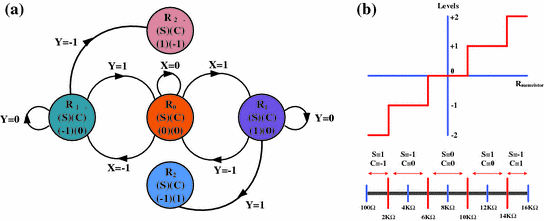
This chapter investigates the advantages of memristor-based digital applications using multi-level arithmetic concepts. Recently, there are huge concerns regarding the memristor in digital signal processing (DSP) circuits to enhance the performance and realize very high density, nonvolatile memories in neural networks. This can be achieved by mapping the high/low logic into the memristor high/low
Memcapacitor: Modeling, analysis, and emulators
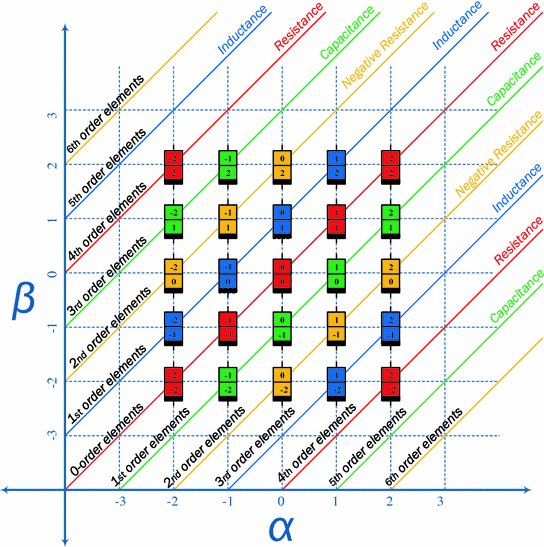
This chapter reviews the memcapacitor, mathematical representations of time-invariant, physical realizations, and mathematical models. Moreover, the nonlinear boundary effect of the memcapacitor under step, sinusoidal, and general periodic excitation responses are discussed with analytical, numerical, and circuit simulations for different examples. The general analyses of series and parallel
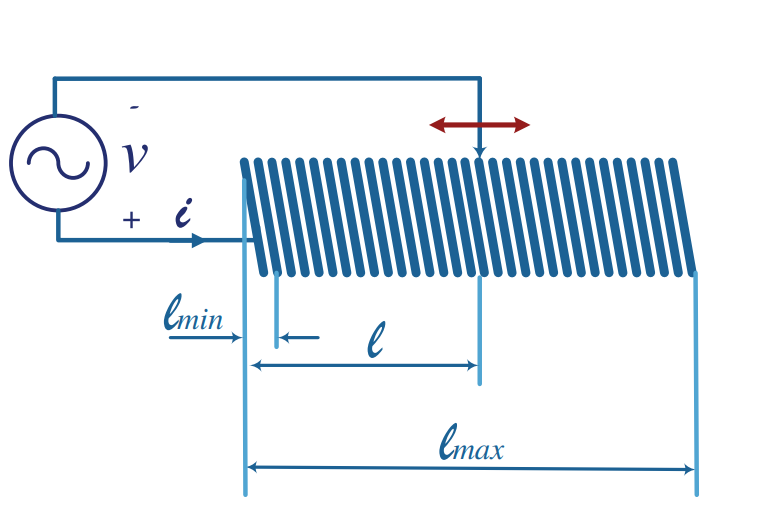
Meminductor: Modeling, analysis, and emulators
This chapter introduces the basic definition of meminductor and its mathematical representation of time-invariant system (Ideal, Generic, and Extended) with some examples. The mathematical model of meminductor and its response under different current excitations (step, sinusoidal, and periodic) are discussed with analytical, numerical, and circuit simulations. Different meminductor emulators are
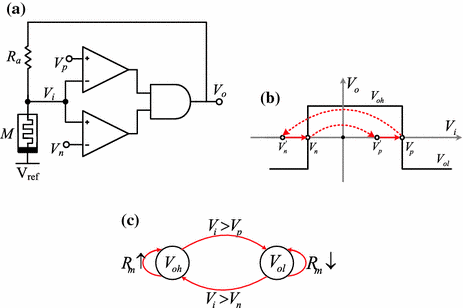
Memristor-based relaxation oscillator circuits
This chapter discusses the analysis and design of memristor-based oscillators which is considered one of the nonlinear analog block required for many applications such as chaotic memristor oscillators and artificial neuron network. The realizations of memristor-based oscillators have been discussed via replacing capacitors with memristors to construct relaxation reactance-less oscillators. The
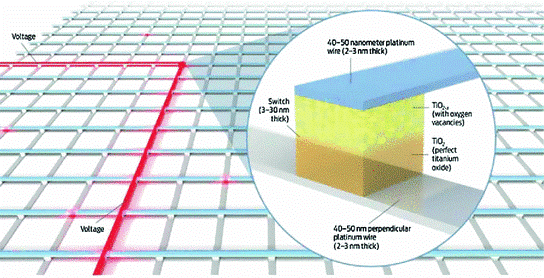
Memristor: Models, types, and applications
This chapter discusses the main properties of the memristor, a comparison between five recent memristor models, mathematical modeling of the HP memristor with analytical expressions for different excitations, mathematical representations of time-invariant memristor (ideal, generic, and extended), different memristor implementation types, and some memristor-based applications in digital and analog
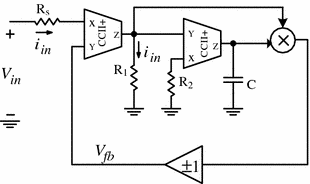
Memristor mathematical models and emulators
This chapter introduces different generalized mathematical classes of memristors which can be categorized as: continuous symmetrical models (current and voltage controlled emulators), continuous nonsymmetrical model, switched-memristor model, and fractional-order model with some experimental results. Different emulators with experimental results are discussed based on CCII, discrete components
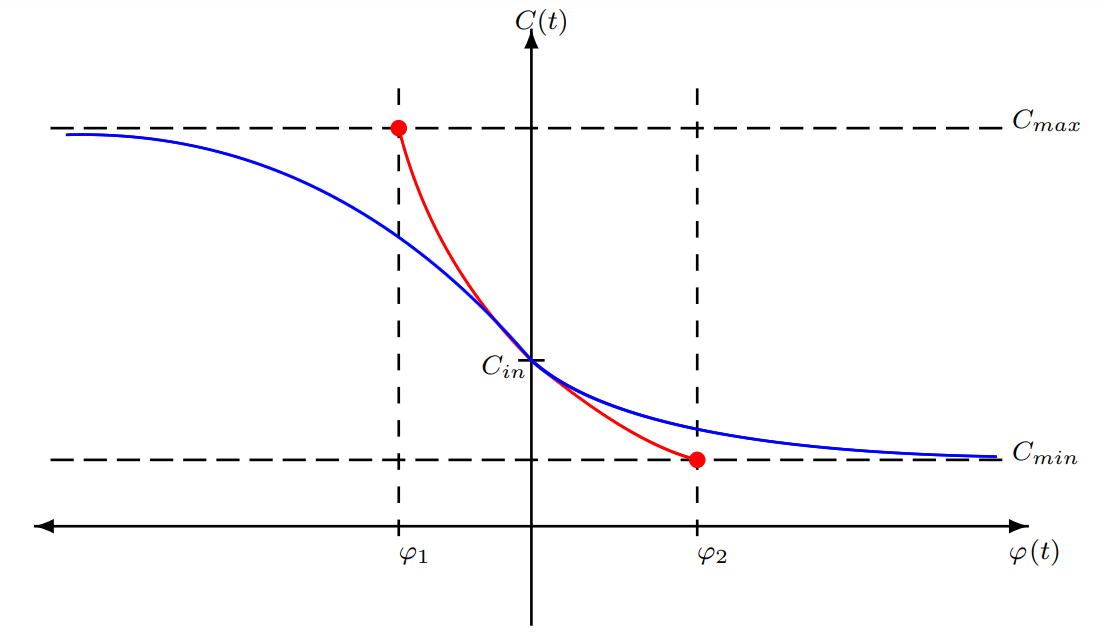
Boundary Dynamics of Memcapacitor in Voltage-Excited Circuits and Relaxation Oscillators
This paper discusses the boundary dynamics of the charge-controlled memcapacitor for Joglekar’s window function that describes the nonlinearities of the memcapacitor’s boundaries. A closed form solution for the memcapacitance is introduced for general doping factor (Formula presented.)p. The derived formulas are used to predict the behavior of the memcapacitor under different voltage excitation