



Publications
Publications
Filter by
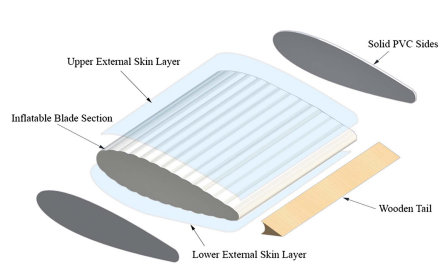
Testing of the Aerodynamic Characteristics of an Inflatable Airfoil Section
Inflatable structures are characterized by being light and easy to manufacture and deploy. Hence, they find many applications in aerospace and aeronautical engineering. In this paper, an inflatable segment with a The National Advisory Committee for Aeronautics (NACA) 0021 airfoil cross-section is designed, fabricated, and tested. The geometrical accuracy of the manufactured inflatable segment is
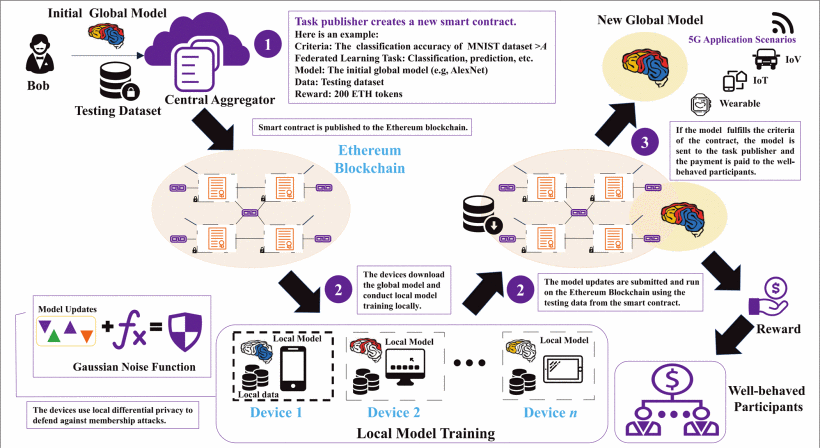
A Secure Federated Learning Framework for 5G Networks
Federated learning (FL) has recently been proposed as an emerging paradigm to build machine learning models using distributed training datasets that are locally stored and maintained on different devices in 5G networks while providing privacy preservation for participants. In FL, the central aggregator accumulates local updates uploaded by participants to update a global model. However, there are
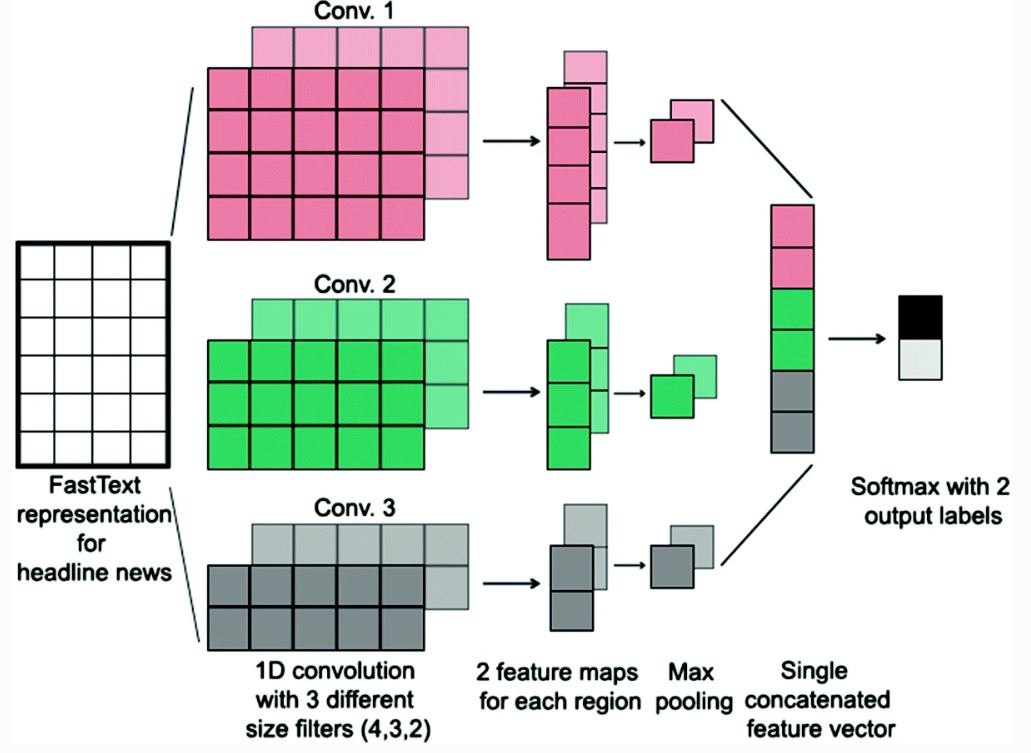
Evaluation of Different Sarcasm Detection Models for Arabic News Headlines
Being sarcastic is to say something and to mean something else. Detecting sarcasm is key for social media analysis to differentiate between the two opposite polarities that an utterance may convey. Different techniques for detecting sarcasm are varying from rule-based models to Machine Learning and Deep Learning models. However, researchers tend to leverage Deep Learning in detecting sarcasm
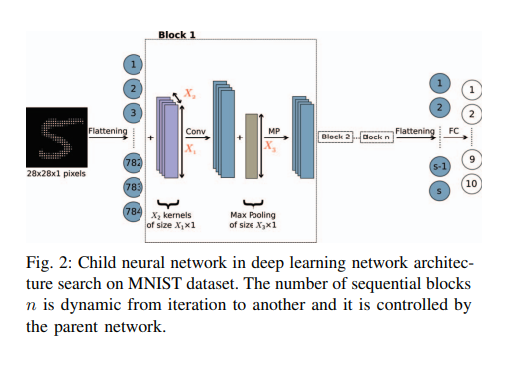
AutoDLCon: An Approach for Controlling the Automated Tuning for Deep Learning Networks
Neural networks have become the main building block on revolutionizing the field of artificial intelligence aided applications. With the wide availability of data and the increasing capacity of computing resources, they triggered a new era of state-of-the-art results in diverse directions. However, building neural network models is domain-specific, and figuring out the best architecture and hyper
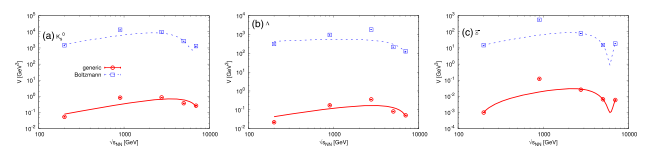
Transverse momentum spectra of strange hadrons within extensive and nonextensive statistics
Using generic (non)extensive statistics, in which the underlying system likely autonomously manifests its extensive and nonextensive statistical nature, we extract various fit parameters from the CMS experiment and compare these to the corresponding results obtained from Tsallis and Boltzmann statistics. The present study is designed to indicate the possible variations between the three types of
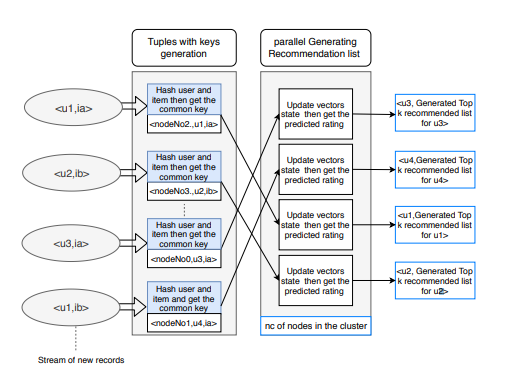
DiSGD: A distributed shared-nothing matrix factorization for large scale online recommender systems
With the web-scale data volumes and high velocity of generation rates, it has become crucial that the training process for recommender systems be a continuous process which is performed on live data, i.e., on data streams. In practice, such systems have to address three main requirements including the ability to adapt their trained model with each incoming data element, the ability to handle
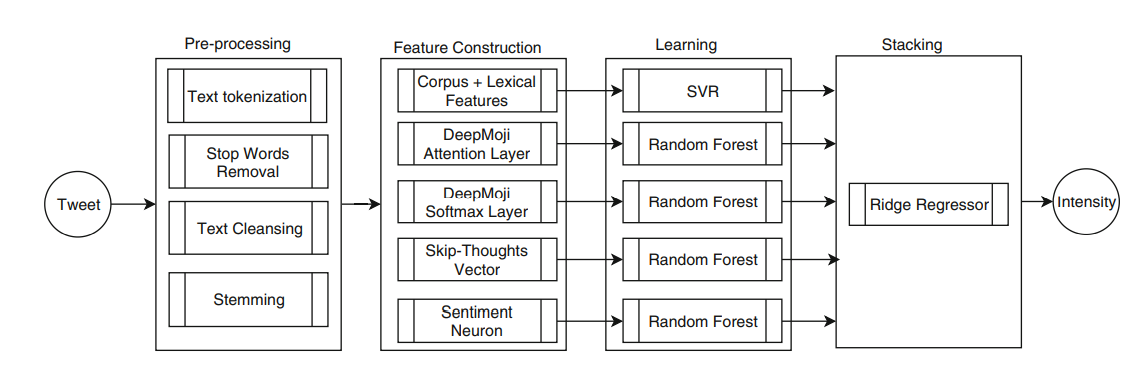
A Transfer Learning Approach for Emotion Intensity Prediction in Microblog Text
Emotional expressions are an important part of daily communication between people. Emotions are commonly transferred non verbally through facial expressions, eye contact and tone of voice. With the rise in social media usage, textual communication in which emotions are expressed has also witnessed a great increase. In this paper automatic emotion intensity prediction from text is addressed
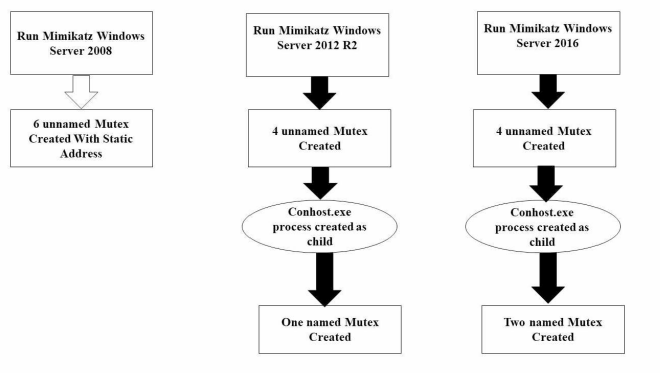
Detecting Mimikatz in Lateral Movements Using Mutex
Advanced Persistent Threat (APT) is a stealthy computer network attack. Its threat lies in the fact that unauthorized access to a network is gained and the attackers, whether a person or a group may remain undetected for an extended period. APT group can spread and gain access to the most valuable assets in the targeted organization. Depending on the tools used by APT group it can be hard and
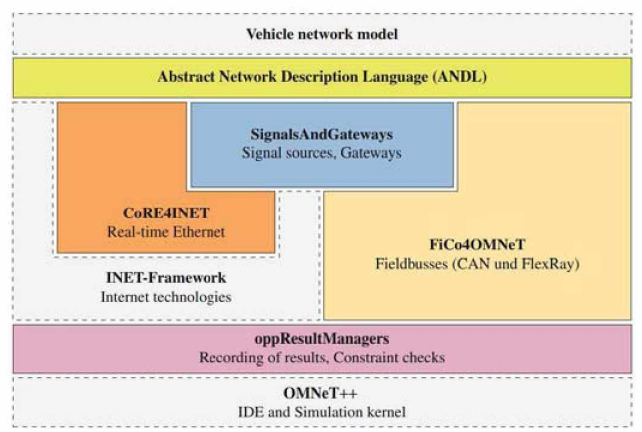
AVB/TSN Protocols in Automotive Networking
In the last decade, Ethernet networks that require real time constraints are massively increased. Switched Ethernet is reshaping in-vehicle communications. To meet real-time requirements for diverse data types in automotive communications, Quality-of-Service protocols that go beyond the mere use of priorities are required. In Vehicle networks requirements are evolving and need better Quality-of
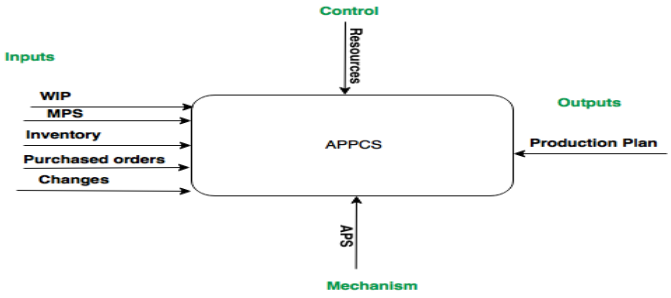
Modeling the Production Planning and Control System using UML
Production planning and control systems are known for their complexity, especially for large scale production units. The Unified Modeling Language (UML) is known for its efficiency in modeling such complex systems for better visualization and as an initial step for software implementation. In this paper, UML is utilized to model production planning and control systems. The models developed include