


Nile University Highlights the Role of Intellectual Property in Advancing Knowledge Localization Through Technology Transfer during the Cultural Season
Nile University Highlights the Role of Intellectual Property in Advancing Knowledge Localization Through Technology Transfer during the Cultural Season
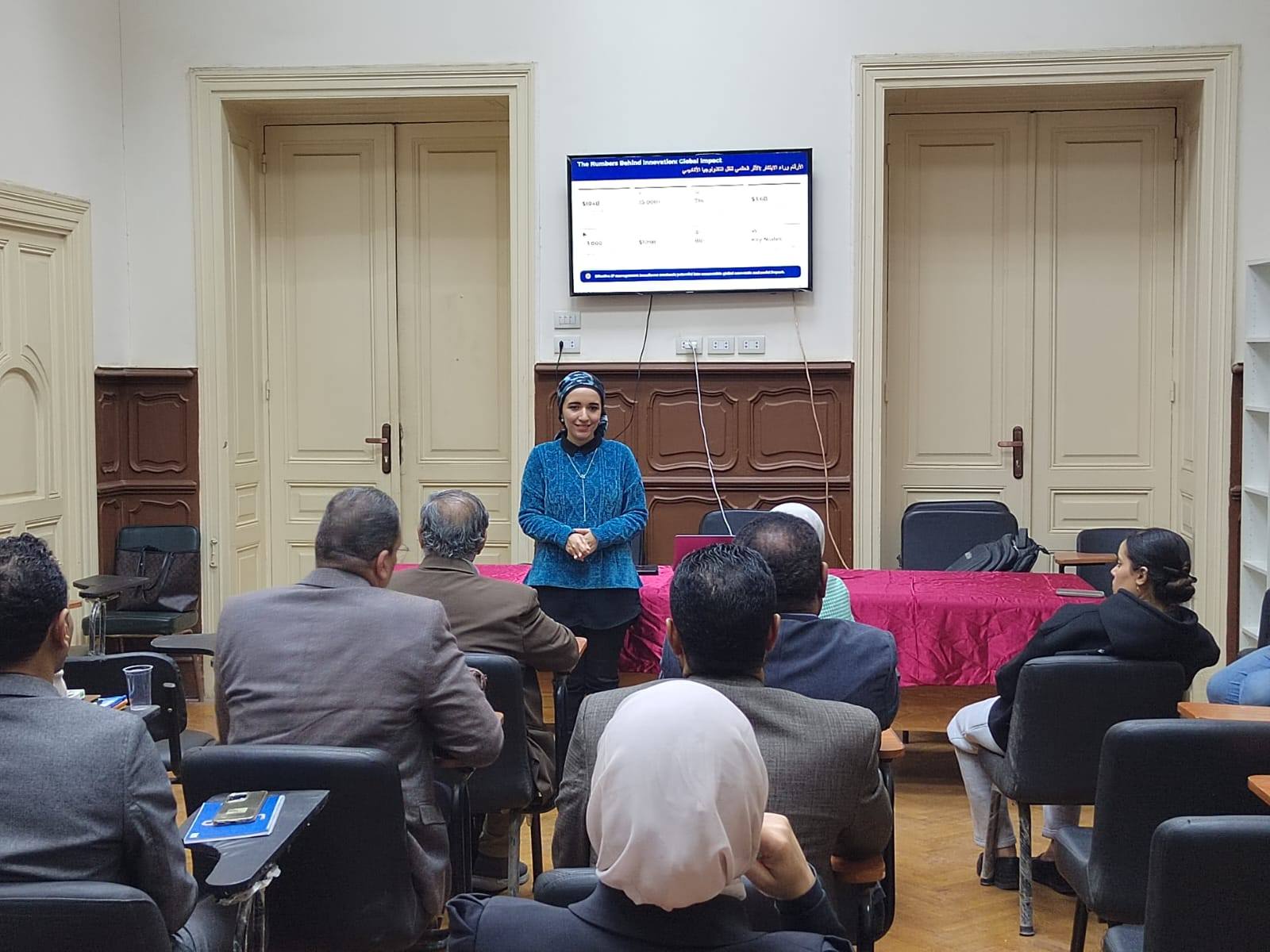
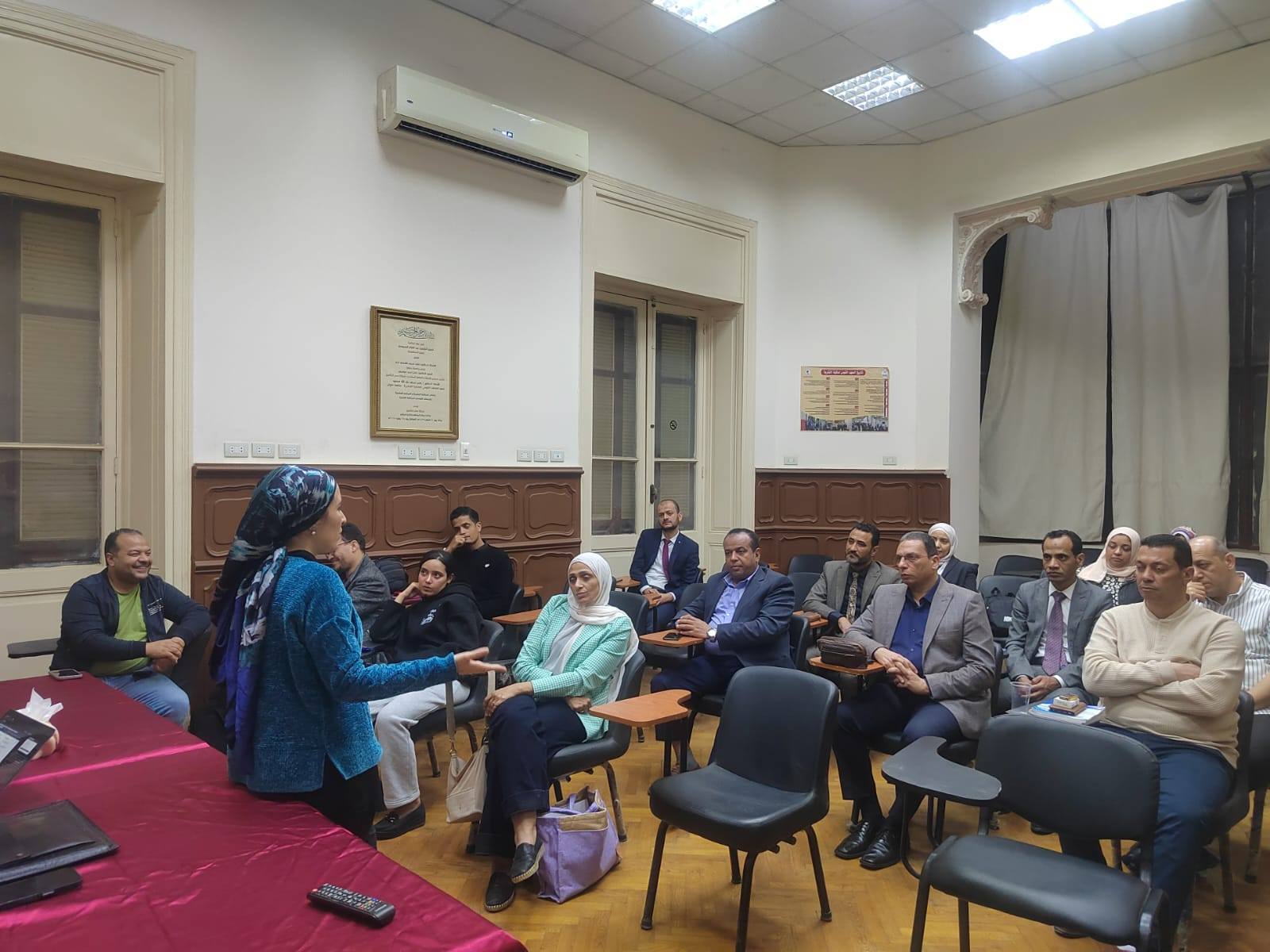
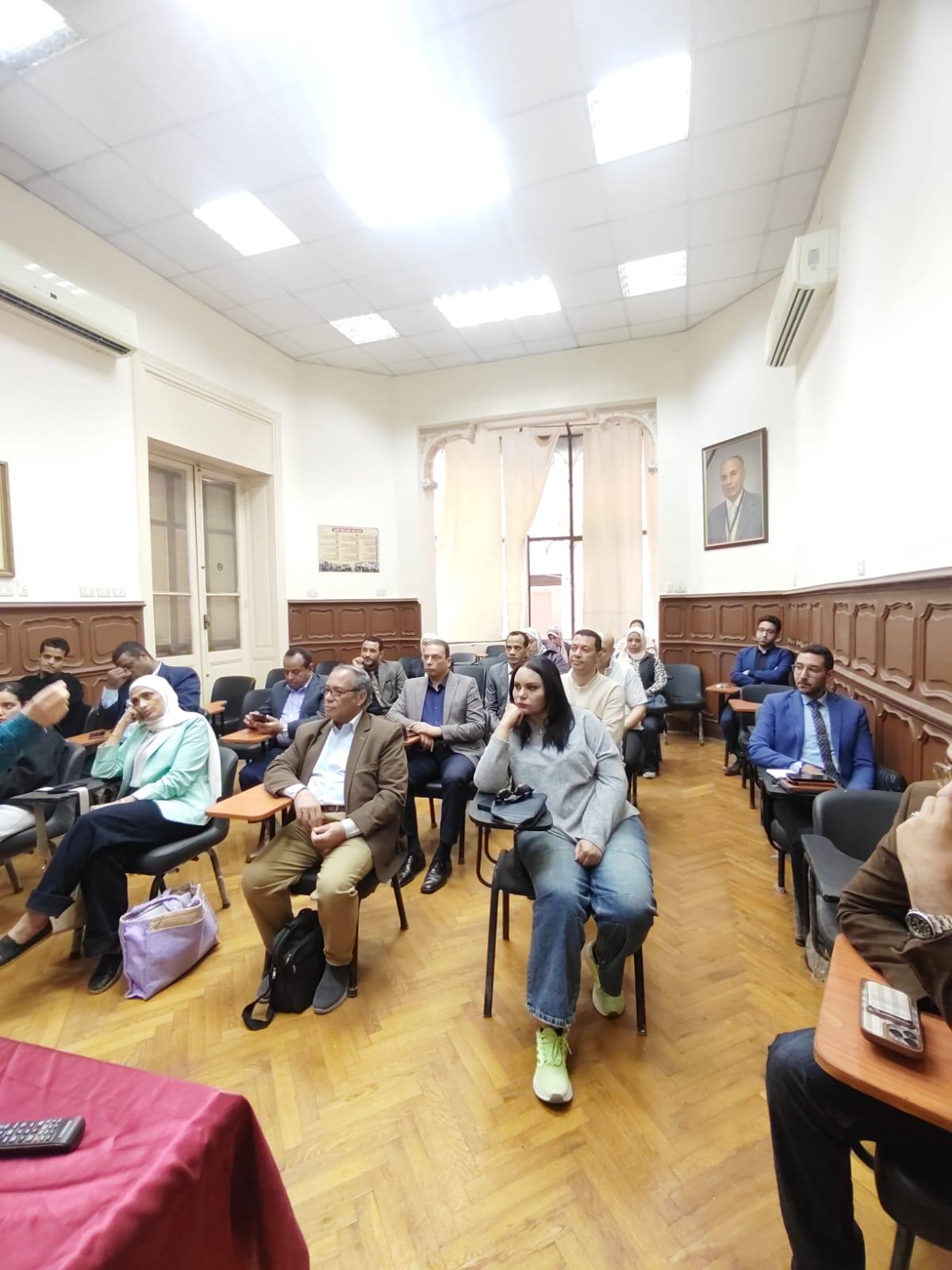
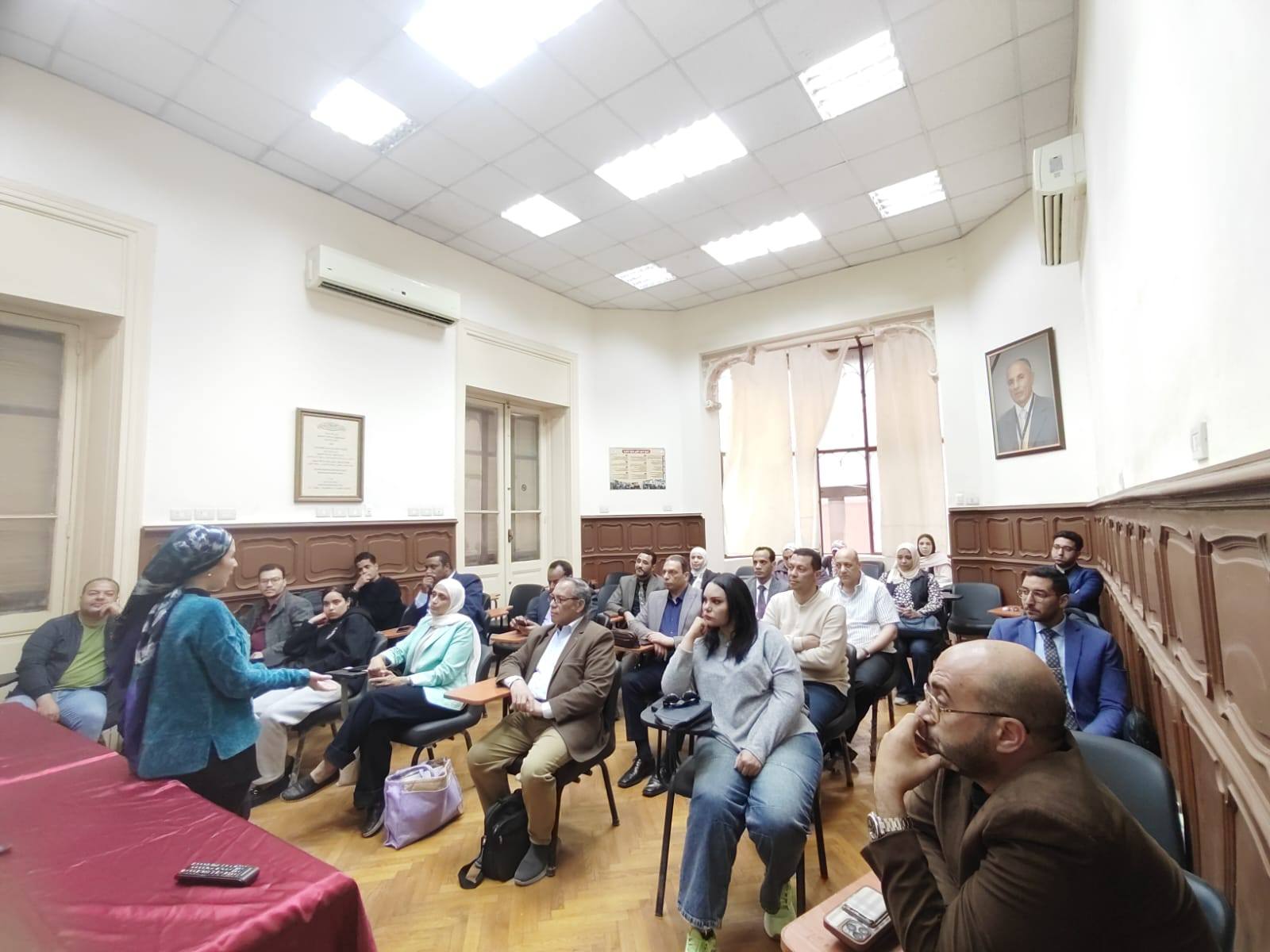
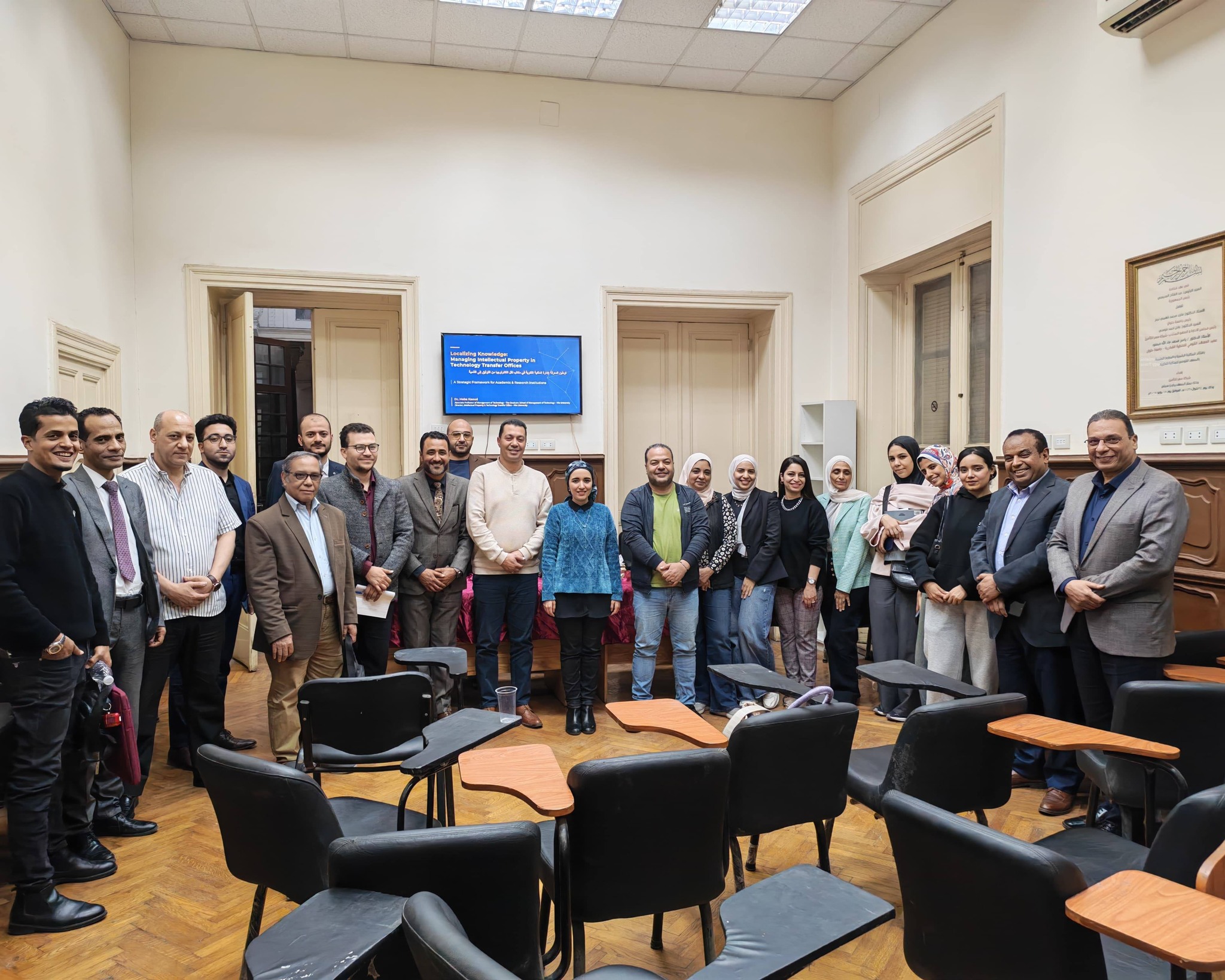
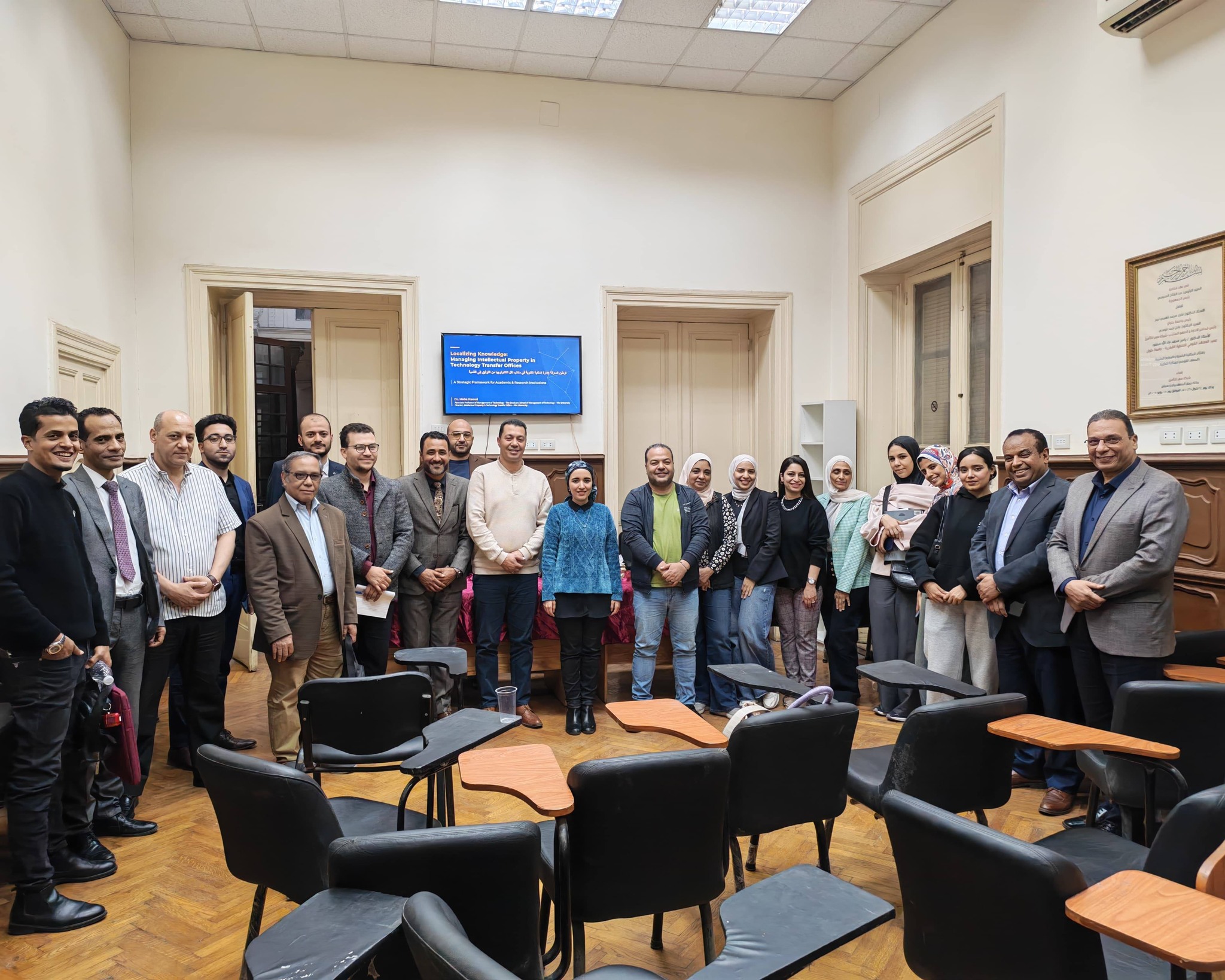
Nile University proudly participated in the 7th session of the Cultural Season organized by the National Institute of Intellectual Property at Capital University. The event was held under the patronage of H.E. Prof. El-Sayed Kandil, President of Capital University, and was led by Prof. Yasser Mohamed Gadallah, Dean of the National Institute of Intellectual Property.
In his remarks, Prof. Gadallah highlighted the growing importance of intellectual property (IP) management as a strategic enabler for knowledge localization and for maximizing the value and impact of research outputs.
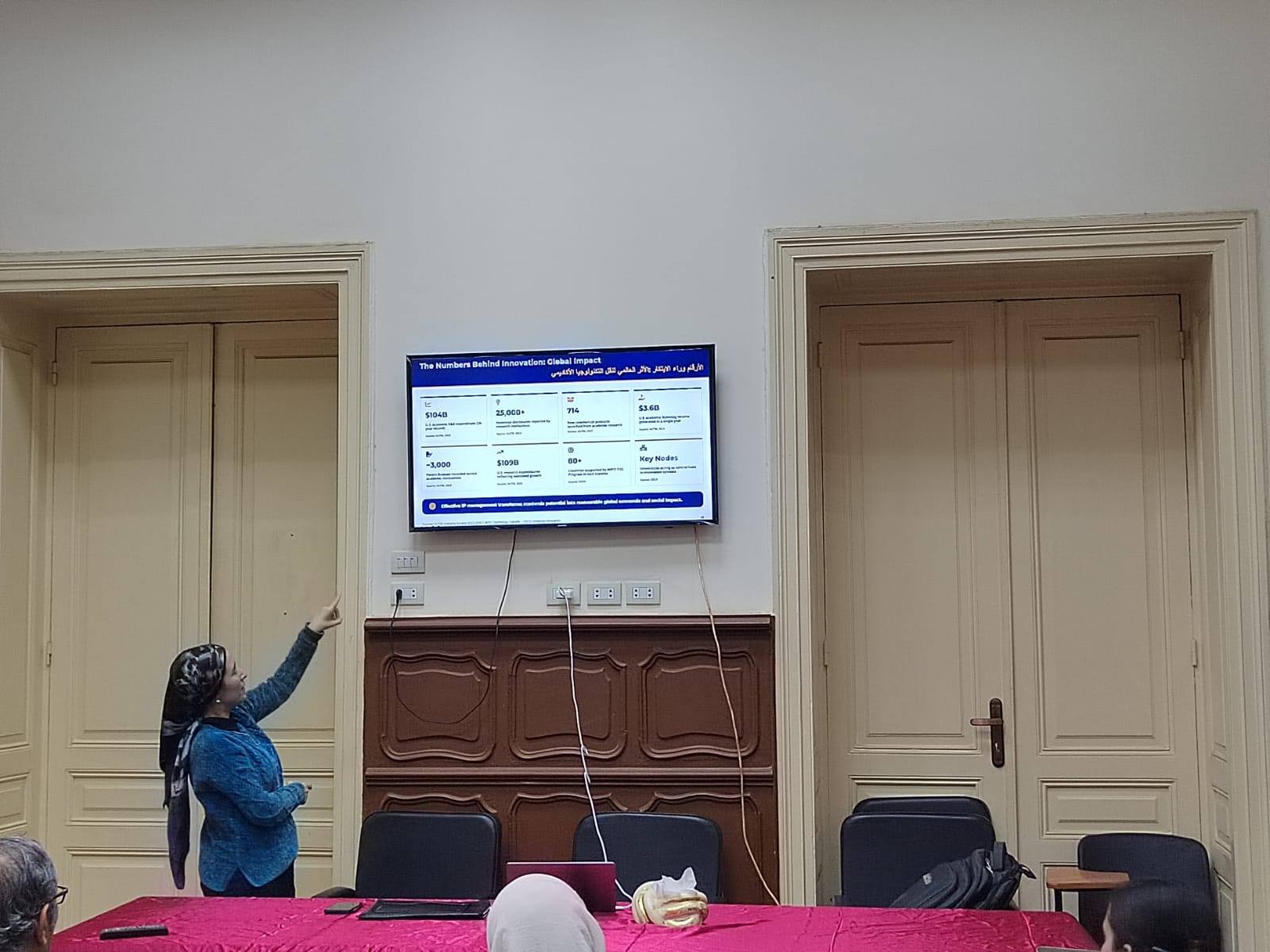
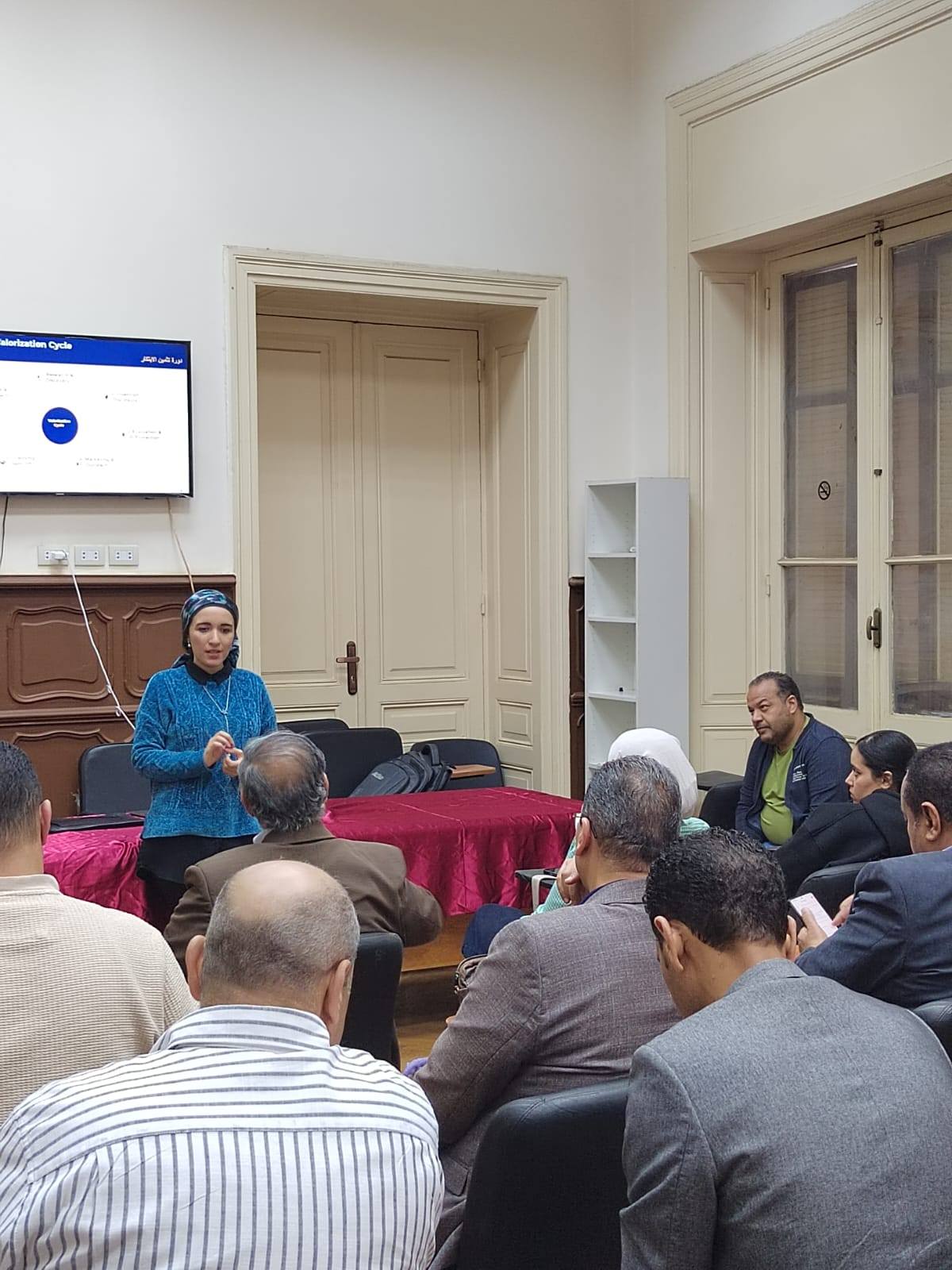
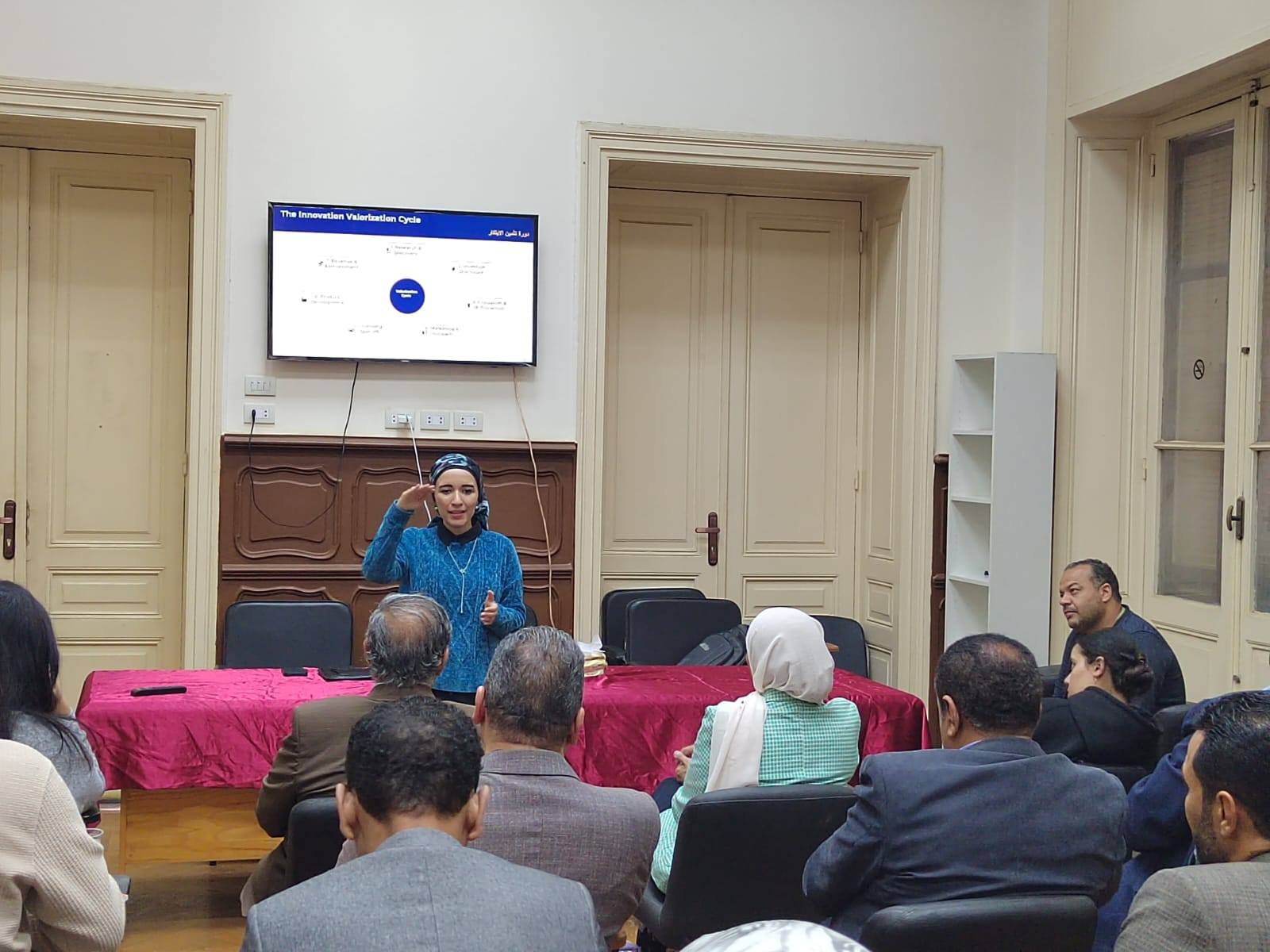
The session, titled “Localizing Knowledge: Managing Intellectual Property in Technology Transfer Offices from Documentation to Development,” was delivered by Dr. Heba Kaoud, Associate Professor at the Graduate School of Management of Technology and Director of the Intellectual Property & Technology Transfer Office (IPTTO) at Nile University.
Dr. Kaoud provided a clear and comprehensive overview of the evolving role of Technology Transfer Offices (TTOs) in academic and research institutions, emphasizing their function as essential bridges between knowledge creators and industry. The session focused on how effective IP management supports a structured pathway that includes invention disclosure, evaluation, protection, commercialization, and long-term portfolio management, ultimately transforming research into tangible economic and societal value.
She also emphasized that the real contribution of academic research goes beyond generating knowledge. Its true impact is achieved when research is managed strategically and translated into real-world applications. In this context, intellectual property becomes a key tool that enables institutions to protect innovations, attract partners, and align research outputs with market needs.
The session further explored major commercialization pathways, including licensing agreements, the establishment of spin-off companies, and collaborative research and development with industry. These approaches were presented as essential drivers for revenue generation, institutional competitiveness, and the growth of sustainable innovation ecosystems.
A central theme of the discussion was knowledge localization, meaning the alignment of research outputs with national priorities and their integration within local economic and industrial contexts. Dr. Kaoud highlighted that this approach supports sustainable development, strengthens job creation, and fosters the shift toward a knowledge-based economy.
She concluded by stressing that building an effective IP and technology transfer ecosystem requires the integration of clear national policies, strong innovation infrastructure, and meaningful collaboration between academia, industry, and government. Adopting international best practices while ensuring alignment with local development goals is critical to maximizing both economic returns and social impact.
At Nile University, we remain committed to advancing innovation, strengthening IP management practices, and supporting the journey from research to real-world impact.