

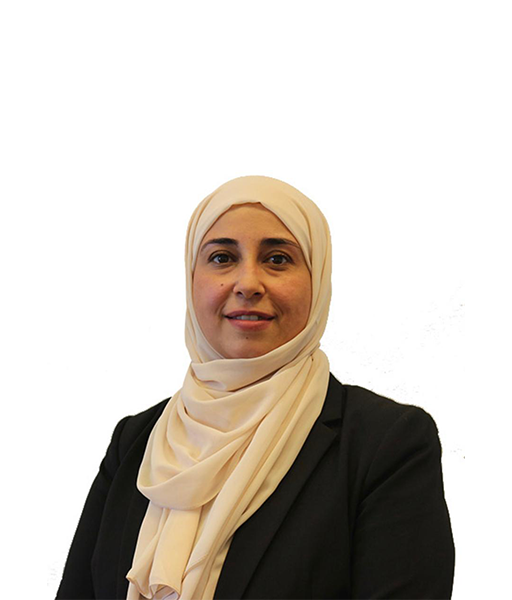

Prof. Asmaa M. Abushady
Vice Dean of Biotechnology School & Program Director of UG Program of Biotechnology
Faculty Office Ext.
1760
Faculty Building
UB1
Office Number
355
Dr. Asmaa M. Abushady was born in Cairo, Egypt in 1978. She attended Ain shams University, Cairo, Egypt to obtain her bachelor’s degree in Genetics in 1999; she obtained her master’s degree in Molecular Genetics in 2004. She also received her Ph.D. in Conservation of AnGR in 2009, from the Ain shams University, Faculty of Agriculture, Genetic Department, Cairo, Egypt. In her postdoctoral studies, she succeeded to gain a full scholarship for the first postdoc position from FP7-IRSES "Marie curie Action" in Cordoba University, Spain. 2012- 2013. As a member of the Bio Goat: Latin American Goat Biodiversity Project, from 2013 to date, she had actively contributed to that mega-project, thereby acquiring the skills to communicate and discuss ideas with international research groups. She was the Director of Ain Shams Center for Genetic Engineering and Biotechnology "ACGEB 2017-2018. In 2019, she took a second scholarship from the specific call for mobility in the entrance from Mediterranean countries, at the University of Perugia (Universita Degli Studi di Perugia) Department of Agriculture, Food and Environmental Sciences, Perugia, Italy and a full scholarship from the specific call for academic staff mobility in the entrance from Mediterranean countries, at the University of Messina (UniME), Sicily, Italy. Asmaa joined Nile University as an associate professor in 2020 and the Vice Dean of the School of Biotechnology. Her study field focused on a broad range of activities related to improving the productivity of animals and their resilience to environmental stressors. The main interests include identification and conservation of PlGR & AnGR and analyzing phenotypic and molecular genetic data of different animal species using molecular genetics technique and frequentist statistics analysis; besides working in laboratories. She carried out research activities in collaboration with international groups which are interested in the same field. Regarding that, her activity includes analyses by AFLP, PCR-based techniques, microsatellite molecular markers, and gene expression by Real Time-PCR. Currently, she is collaborating on "the mega-project collaboration between 6 different European and non-European countries” that aims to study genetic diversity to understand and exploit Barley's adaptation to harsh environments and for pre-breeding. 2 At Nile University (NU), Dr. Asmaa is co-developing the first online pharmacogenomics diploma and master’s program in Egypt as part of a consortium funded by ERASMUS K2+. The diploma and master’s program will have a world-class curriculum revised by renowned European universities and will be available to graduates of medicine, pharmacy and biotechnology in Egypt and Lebanon. https://oppmprogram.com/. Additionally, Professor Abushady has developed a professional diploma in plant cell and tissue culture at Nile University, aimed at equipping graduates with essential knowledge and competencies necessary for success in plant tissue culture technologies and food service sectors https://biotech.nu.edu.eg/program/professional-diploma-plant-cell-and-tissue-culture Dr. Asmaa is also launching a joint biotechnology incubator between Nile University and Ain Shams University, accelerating the development of biotechnology startups and enhancing the Egyptian biopreneurship ecosystem. https://bib-asu.com/ . From 2024 to 2028, Dr. Asmaa Aboushady as the PI for the PRIMA project titled “INTelligent, ACTive MicroBIOme-based, biodegradable PACKaging for Mediterranean food”( INTACTBioPack) https://intactbiopack.com/ addresses current global priorities in food safety, by exploring innovative, microbiome-based, and biodegradable packaging solutions tailored for Mediterranean food systems. Through this research, we aim to enhance food quality and safety while supporting.
I have been actively engaged in a diverse range of activities aimed at enhancing animal productivity and bolstering their ability to withstand environmental challenges. My primary focus revolves around the identification and preservation of PlGR (Plant Genetic Resources) and AnGR (Animal Genetic Resources). Additionally, I possess a keen interest in analyzing phenotypic and molecular genetic data from various animal species, employing molecular genetics techniques, and employing frequent statistical analysis methods. In addition to my work in laboratories, I have collaborated extensively with international organizations and research groups that share a similar passion for this field.
Regarding the international publication rate in scientific journals, Nile University boasts an impressive performance. I was nominated as the top three contributors at the university in terms of their publication rates 2023:2024.
- Dr. Asmaa has been a member of the Bio Goat: Latin American Goat Biodiversity Project since 2013.
- Dr. Asmaa collaborated on "the mega-project collaboration between 6 different European and non-European countries” that aims to study genetic diversity.
- Dr. Asmaa was part of the Scientific Co-operation (Material Transfer Agreement) between the Department of Genetics, Faculty of Agriculture, Ain Shams University. And the Friedrich-Loeffler-Institute – Federal Research Institute for Animal Health.
- Dr. Asmaa in Nile university co-developed the first online pharmacogenomics diploma and master’s program in Egypt as part of a consortium funded by ERASMUS that will be available to graduates of medicine, pharmacy and biotechnology in Egypt and Lebanon.
- Dr. Asmaa is also currently launching a joint biotechnology incubator between Nile University and Ain Shams University, which will accelerate the development of biotechnology startups.
- Dr. Asmaa got the first place for faculty journals (weighted) for the International Publishing and the third place in the top faculty impact factor sum.
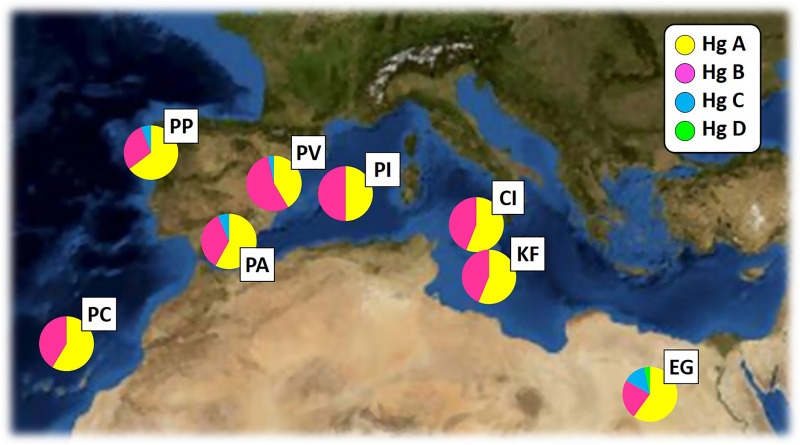
- Diversity and Conservation of Genetics Resources
- Identification and preservation of PlGR (Plant Genetic Resources) and AnGR (Animal Genetic Resources)
- Analyzing phenotypic and molecular genetic data from various animal species
- Statistical analysis methods