




Dr. Alyaa Ibrahem Magdy

Dr. Alyaa Ibrahem Magdy

Assistant Professor

Faculty Building

UB 1

Office Number

118

Biography

Dr. Alyaa I. Salim is a full-time Associate Professor at the School of Biotechnology, Nile University, Egypt. She earned her B.Sc. in Chemistry (2006) from Mansoura University, followed by postgraduate diplomas in Biochemistry from Alexandria University (2007–2008) and Analytical Chemistry from Cairo University (2009). She received her M.Sc. (2015) and Ph.D. (2019) in Analytical Chemistry from Cairo University, with her doctoral research focusing on the spectrophotometric determination of antiviral drugs. 

Dr. Salim's research interests encompass pharmaceutical analysis, electrochemical sensing, spectroscopic techniques, HPLC method development, quantum chemical analysis, and sensor fabrication for biomedical and environmental applications. She has published over 20 research papers in high-impact international journals, contributed book chapters, and authored a book on spectrophotometric determination of clopidogrel bisulfate. Her recent work includes developing electrochemical sensors for antiviral drugs, biosensors for glucose monitoring, and magnetic biochar adsorbents for wastewater treatment. 

She has secured multiple funded research projects as Principal Investigator and Co-Principal Investigator, including grants from STDF, the British Council, PRIMA, ITAC, and the Innovators Support Fund. Current projects include developing low-cost electrochemical sensors for environmental remediation, a portable nano-biosensing system for early Alzheimer's detection in diabetic patients (STDF-UK collaboration), and a nanohybrid hydrogel for carbon capture applications. 

Dr. Salim is an active member of the Egyptian Society of Analytical Chemistry and has participated in the organizing committee of the 9th International Symposium on New Trends in Chemistry (2017). She has presented her work at numerous international conferences, including NILES (2025), Biosensors and Their Biomedical Applications at Zewail City (2024), and the Third Life Sciences Conference of the Scientific Arab Forum (2024). Her teaching portfolio includes general chemistry, electrochemistry, spectroscopy, environmental science, nanotechnology, instrumental analysis, and material science. 
Recent Publications
1
Journal

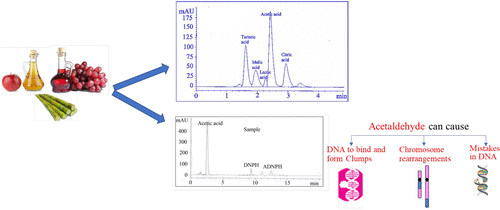
Detection and Identification of Adulteration in Vinegar Samples Based on Reversed-Phase High-Performance Liquid Chromatographic (RP-HPLC) Strategies

Adulteration of vinegar to gain economic benefit has become a common practice in recent years. RP-HPLC strategies were proposed for the assurance of the concentration of acetic acid, rare organic acids (tartaric, malic, lactic and citric), and acetaldehyde in Egyptian vinegar samples. The flow rate was 0.5 mL/min using UV detection at 210 and 365 nm for organic acid and acetaldehyde, respectively
Healthcare
Journal

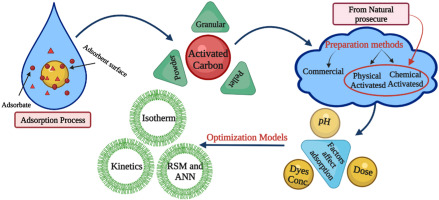
Review of activated carbon adsorbent material for textile dyes removal: Preparation, and modelling

Water contamination with colours and heavy metals from textile effluents has harmed the ecology and food chain, with mutagenic and carcinogenic effects on human health. As a result, removing these harmful chemicals is critical for the environment and human health. Various standard physicochemical and biological treatment technologies are used; however, there are still some difficulties. Adsorption

Artificial Intelligence
Healthcare
Energy and Water
Circuit Theory and Applications
Journal

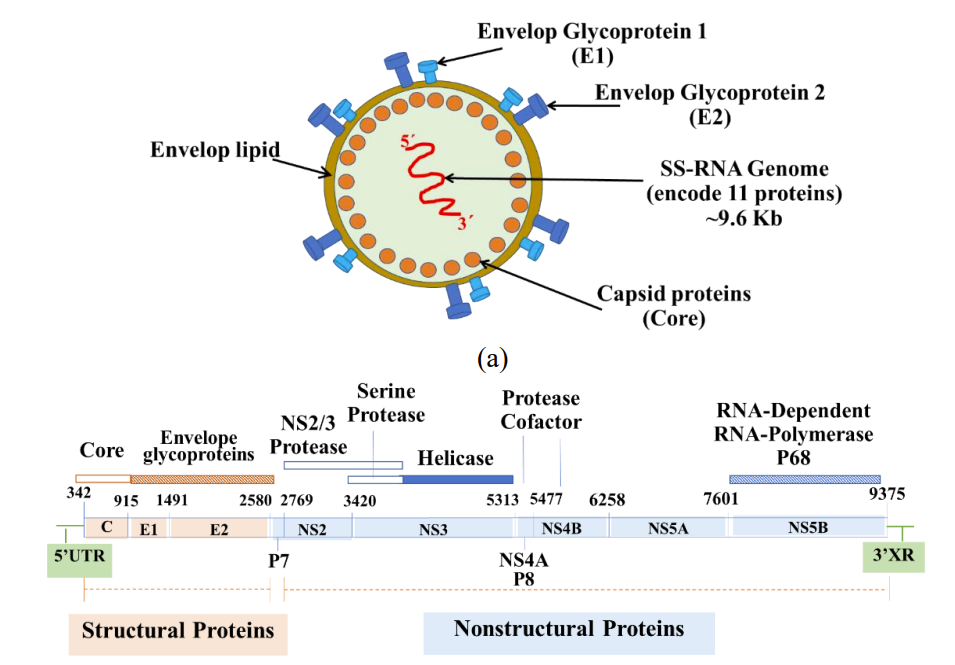
An eco-concerned development of a fast, precise and economical spectrophotometric assay for the antiviral drug simeprevir based on ion-pair formation

Simeprevir sodium (SMV) is one of the antiviral drugs used for the treatment of virus C. The current strategy develops and validates a new eco-concerned tool for its quantification in the pure and pharmaceutical formulations. Sulfonephthalein acid dyes were used for this purpose, applying visible analyses based on ion-pair formation. A linear relation between the absorbed signal and the drug

Healthcare
Innovation, Entrepreneurship and Competitiveness
Journal

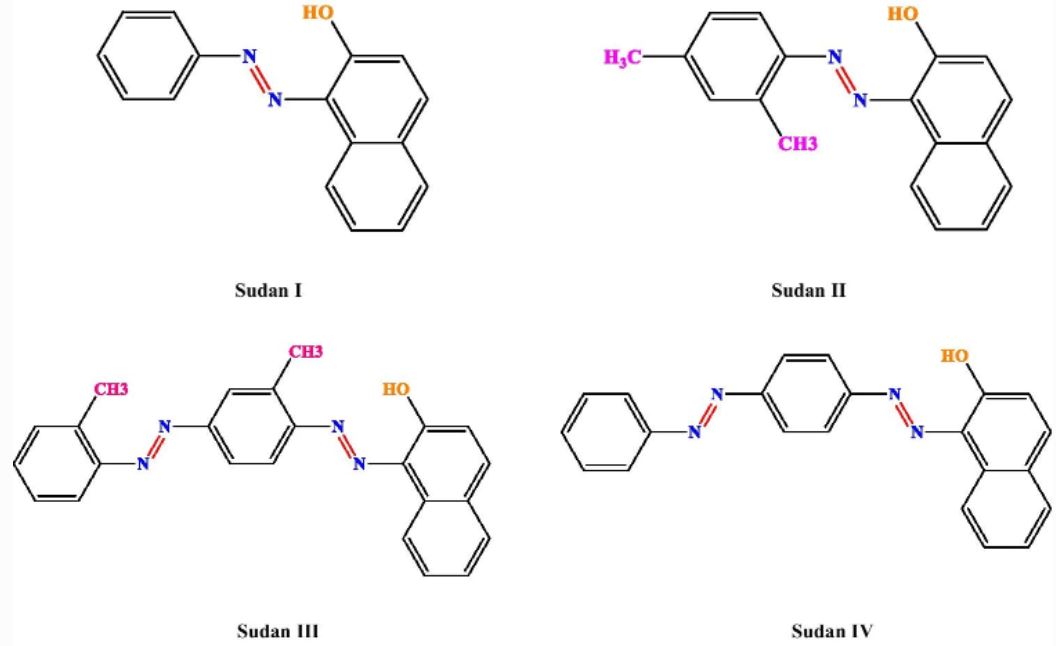
Evaluation of Different Sudan Dyes in Egyptian Food Samples Utilizing Liquid Chromatography/Tandem Mass Spectrometry

A sensitive and a precise method was developed for the quantification of different Sudan dyes in some Egyptian food samples. They were analyzed utilizing two-fragment ion transition under multiple reaction monitoring (MRM) mode. Separation was carried out on Kinetex 2.6u C18 100 A (75 mm × 4.6 mm) phenomenex using isocratic elution with 10:90% water and acetonitrile containing 2.0 mmol/L ammonium

Healthcare
Agriculture and Crops
Research Tracks
  • Sensors(Analytical Chemistry)
  • Drug Analysis
  • HPLC Instrumental Analysis
  • Environmental Engineering
  • Wastewater Treatment
  • Nanotechnology
Projects
Research Project

IoT-based Platform for Wearable Devices for Continuous Healthcare Monitoring

The ultimate goal of this project is to achieve diagnosis on the fly and predict abnormal health conditions and alert people before the condition happens. In order to achieve this, the following objectives should be fulfilled: Implementing wearable self-powered painless devices for healthcare monitoring. Implementing AI algorithm for predicting abnormal health conditions. Implementing painless
1
Research Project

Pre-emergency Alert IoT System-based on Wearable Devices for Diabetic Patient

According to World Health Organization (WHO), there are more than 400 million diabetic adults worldwide. In Egypt, only there are about 8 million diabetic people, and the diabetes prevalence rate is estimated to be 13.3% by 2025, according to WHO. In most cases, the diabetic person requires regular visits to the hospital for health checks. However, due to the COVID pandemic, it has become risky