Publications
Publications
Filter by
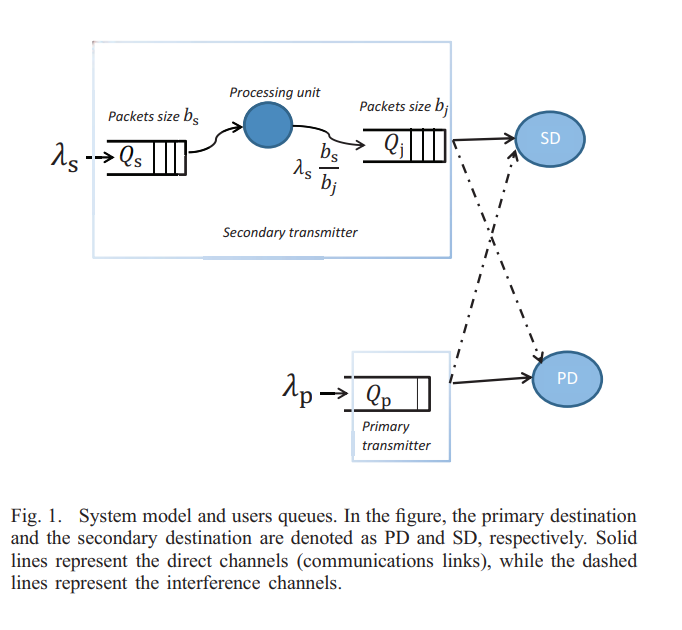
Throughput maximization via adjusting packet size of a buffered cognitive radio user
In this paper, we investigate a cognitive scenario with one secondary user and one primary user. Users are assumed to be buffered terminals. Each user has certain arrival rate with certain packet size. We propose a scheme where the cognitive radio user (secondary user) may combine some of the arrived packets into a single larger packet or split each of them into smaller packets to increase its
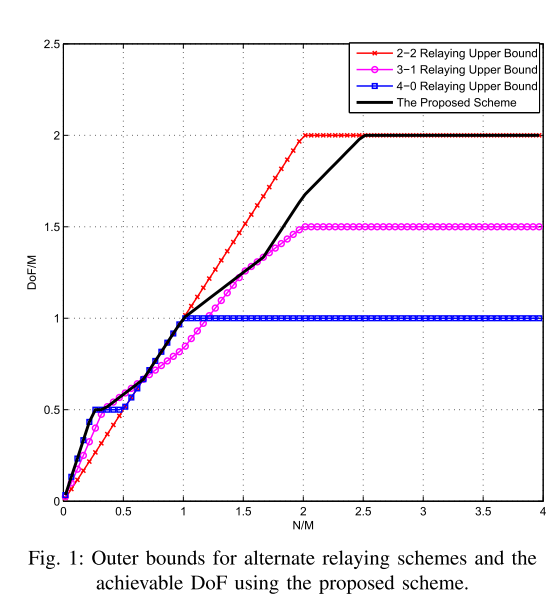
Degrees of freedom for a two-cell relay network with soft handoffs
In this paper we investigate the degrees of freedom of a cellular relay network that consists of two base stations, two mobile stations and four decode-and-forward relays. The base stations and the mobile stations are equipped with M antennas each, whereas the relays are equipped with N antennas each. In addition, each base station has an independent message to each mobile station. The relays are
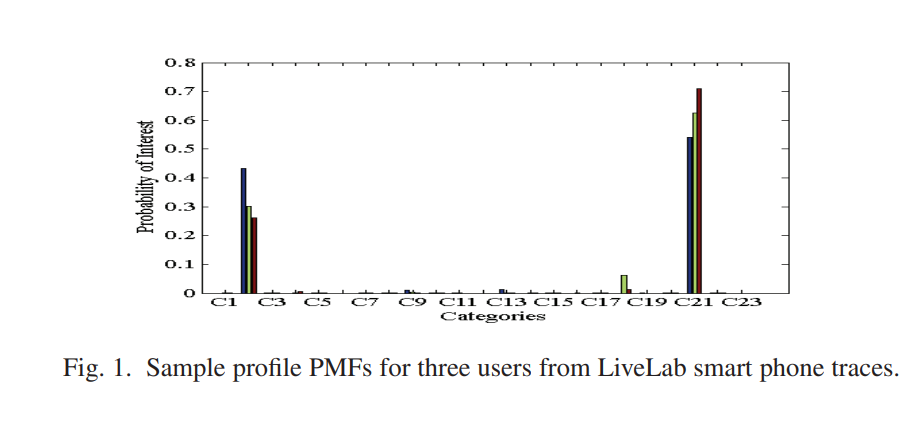
The quest for user similarity in mobile societies
In this paper we explore the notion of mobile users' similarity as a key enabler of innovative applications hinging on opportunistic mobile encounters. In particular, we analyze the performance of known similarity metrics, applicable to our problem domain, as well as propose a novel temporal-based metric, in an attempt to quantify the inherently qualitative notion of similarity. Towards this

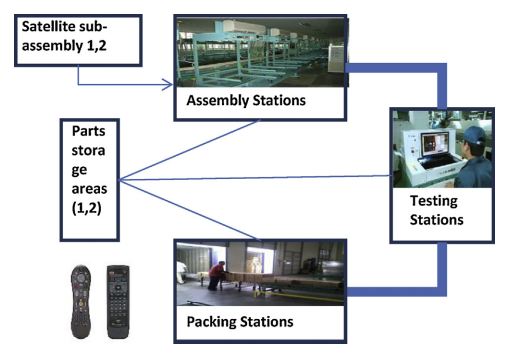
Cost performance dynamics in lean production leveling
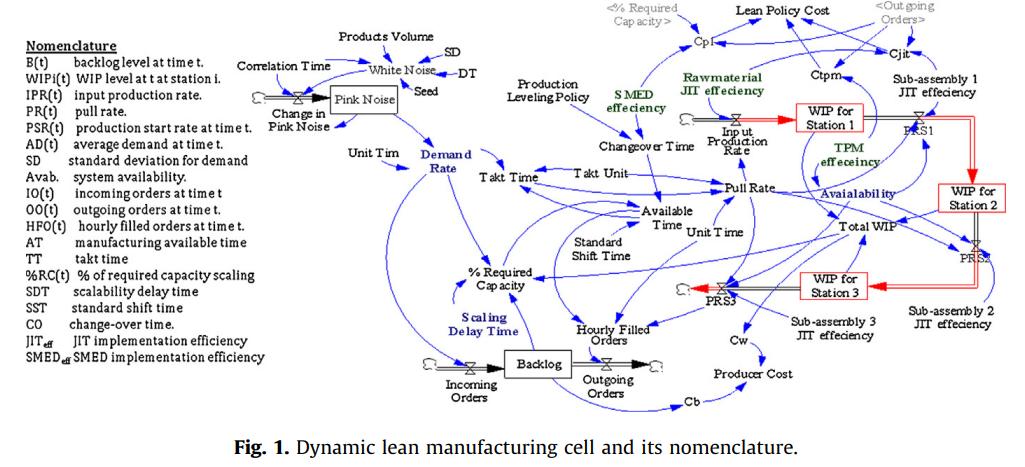
Balancing of production systems is one of the main lean manufacturing principles as it reduces in-process storage and related forms of waste. A dynamic systems approach is proposed to investigate challenges of implementing production leveling and associated costs. A lean cell producing at takt time is modeled using system dynamics. The model captures various lean tools influencing production
Dynamic modelling of impact of lean policies on production levelling feasibility
A dynamic systems approach is proposed to investigate challenges of implementing production levelling and associated costs. A model of a lean cell is developed using system dynamics. The model captures various lean tools influencing production levelling. Comparative cost analysis between various levelling implementation policies for stochastic demand with multiple products is conducted. Results
Greedy framework for optical flow tracking of myocardium contours
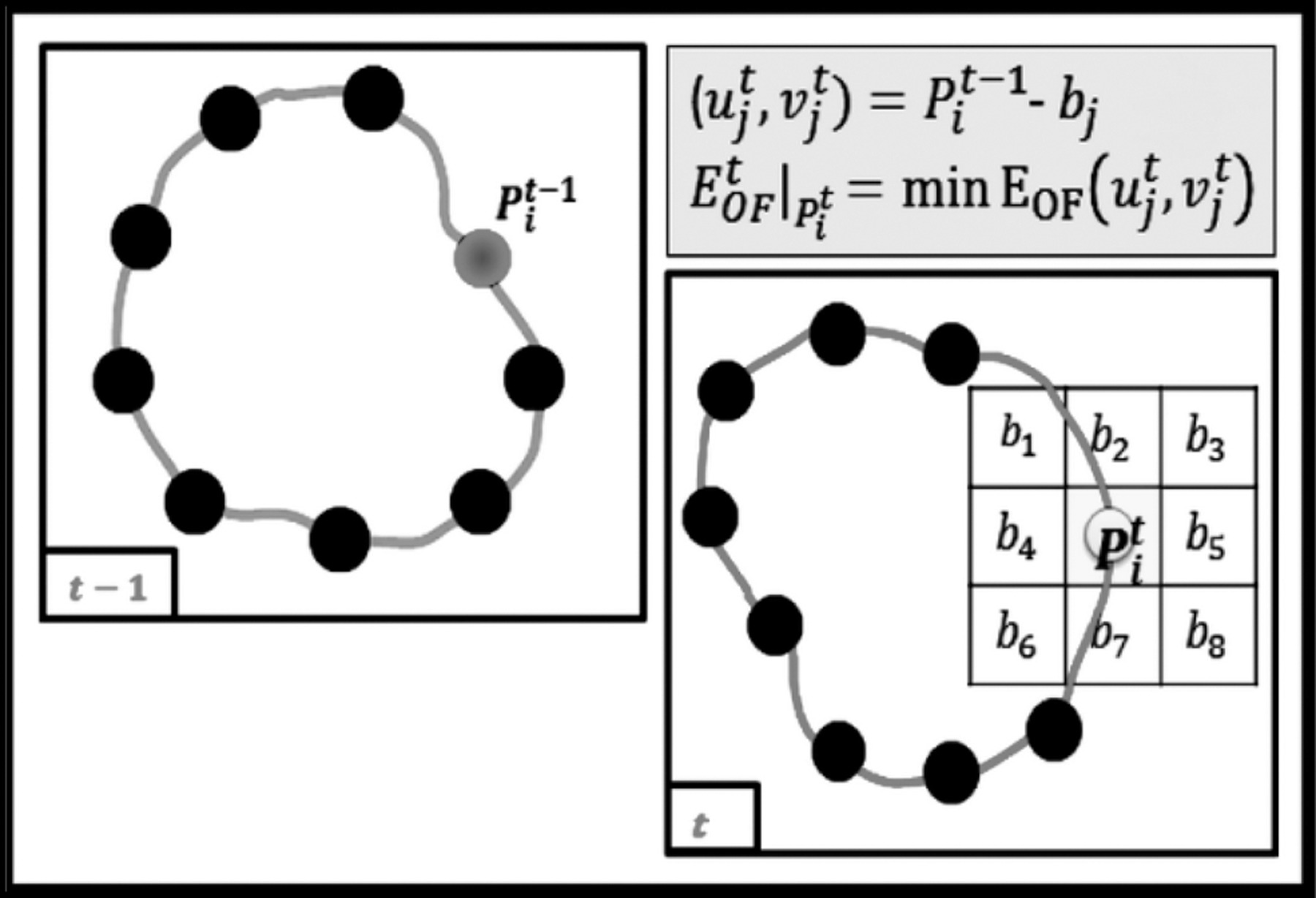
Optical flow (OF) tracking of the myocardium contours has a potential in segmenting the myocardium in time sequences of cardiac medical images. Nevertheless, to estimate the displacement field of the contour points, a number of assumptions are required to solve an under-determined set of optical flow equations. In this work, a new framework is proposed to solve the OF tracking problem using greedy
Classification of cardiac magnetic resonance image type and orientation
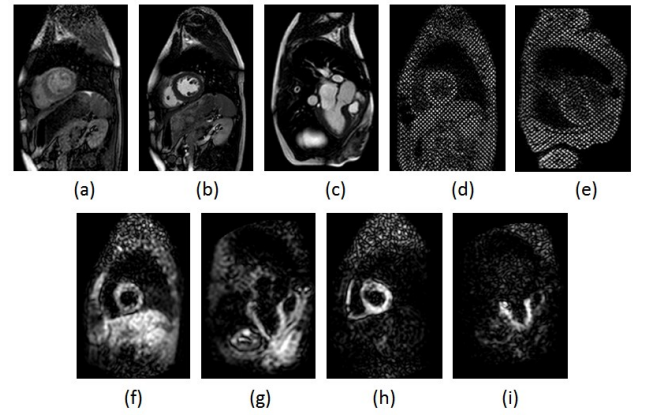
Cardiac magnetic resonance imaging provides a number of different imaging acquisition types and views of different body cross sections and orientations. A huge amount of images are produced which demand an automatic method for classification based on the visual contents to facilitate diagnosis and searching operations. In this work, we propose a fully automated classification method for
A time series classification approach for motion analysis using ensembles in Ubiquitous healthcare systems
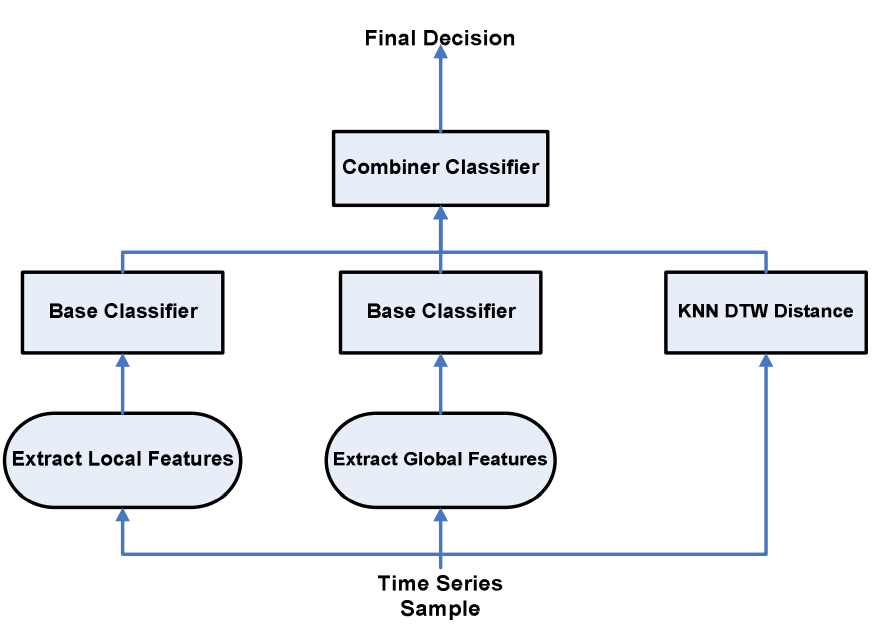
Human motion analysis is a vital research area for healthcare systems. The increasing need for automated activity analysis inspired the design of low cost wireless sensors that can capture information under free living conditions. Body and Visual Sensor Networks can easily record human behavior within a home environment. In this paper we propose a multiple classifier system that uses time series
Parallelizing exact motif finding algorithms on multi-core
The motif finding problem is one of the important and challenging problems in bioinformatics. A variety of sequential algorithms have been proposed to find exact motifs, but the running time is still not suitable due to high computational complexity of finding motifs. In this paper we parallelize three efficient sequential algorithms which are HEPPMSprune, PMS5 and PMS6. We implement the
New insight into HCV E1/E2 region of genotype 4a
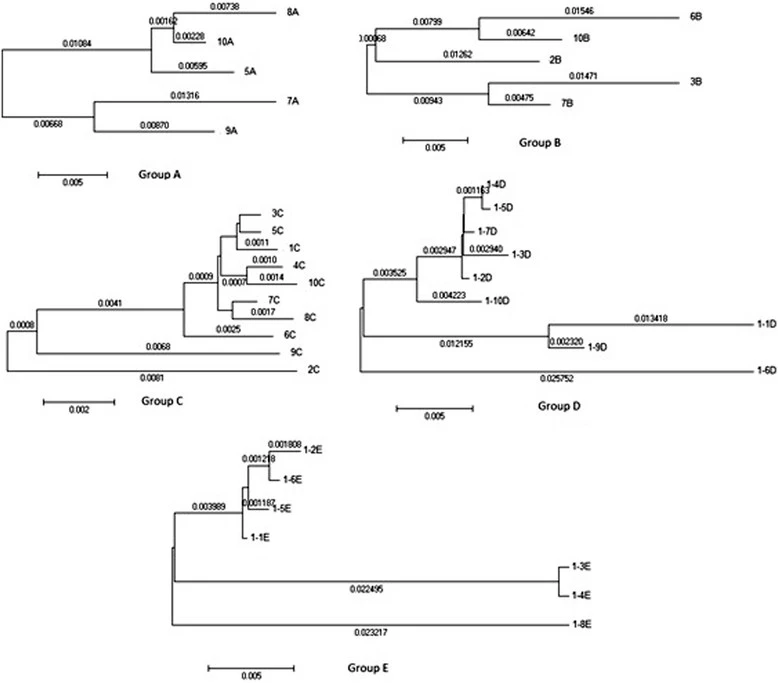
Introduction: Hepatitis C virus (HCV) genome contains two envelope proteins (E1 and E2) responsible for the virus entry into the cell. There is a substantial lack of sequences covering the full length of E1/E2 region for genotype 4. Our study aims at providing new sequences as well as characterizing the genetic divergence of the E1/E2 region of HCV 4a using our new sequences along with all