



Publications
Publications
Filter by
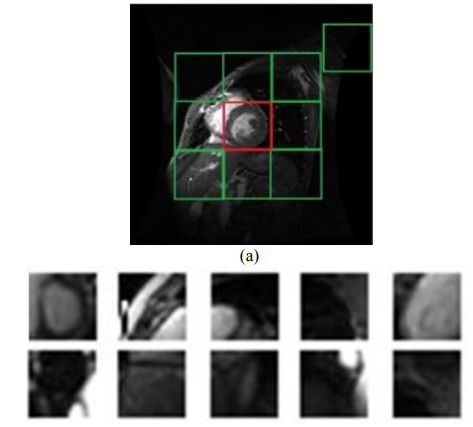
Automatic localization of the left ventricle in cardiac MRI images using deep learning
Automatic localization of the left ventricle (LV) in cardiac MRI images is an essential step for automatic segmentation, functional analysis, and content based retrieval of cardiac images. In this paper, we introduce a new approach based on deep Convolutional Neural Network (CNN) to localize the LV in cardiac MRI in short axis views. A six-layer CNN with different kernel sizes was employed for
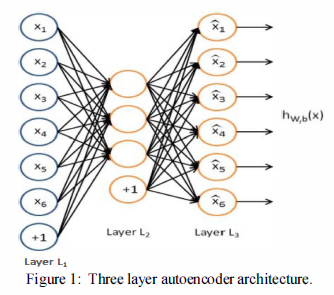
Cardiac MRI view classification using autoencoder
The growing interest of using cardiac Magnetic Resonance Imaging (MRI) to assess the heart function and structure results in creating huge cardiac image databases. Due to the lack of standard meta-data description of the images, content-based classification of the cardiac images is essential to manage such databases. In particular, cardiac view classification is becoming an important stage for
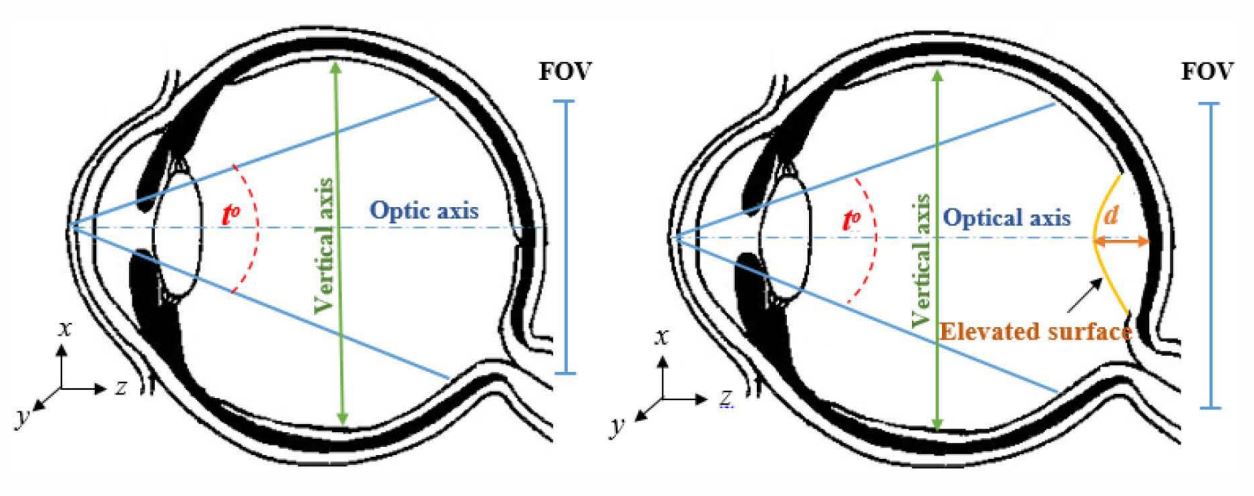
Error analysis of fundus image registration using quadratic model transfformation
Based registration of retinal images proved to be very successful especially for minimally overlapping images. The most commonly used transformation method uses a quadratic model to represent the geometry of the retinal surface. Although this model has been used for more than one decade, there is no literature that studies the model errors for abnormal eye geometries. In this work, we present a
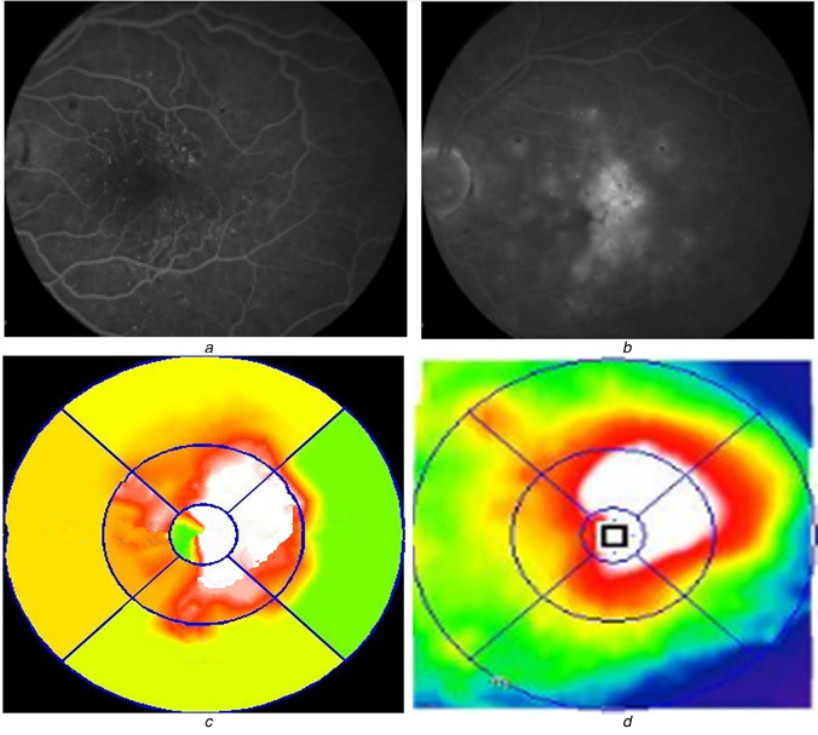
Computer-aided analysis of fluorescein angiograms using colour leakage maps
Fundus fluorescein angiography (FFA) is a standard screening and diagnosis technique for several retinal diseases. The analysis of FFA images is performed qualitatively by skilled observers, and thus is vulnerable to inter- and intra-observer variability. In this study, the authors present a method for computer-aided analysis of FFA images. The method is based on generating quantitative colour
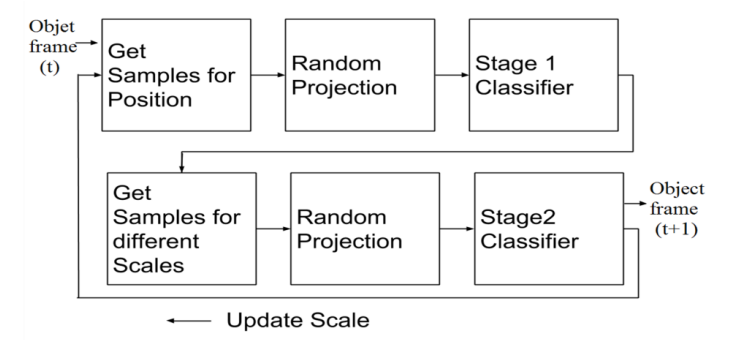
Real-time scale-adaptive compressive tracking using two classification stages
In this paper, we describe a method for Scale-Adaptive visual tracking using compressive sensing. Instead of using scale-invariant-features to estimate the object size every few frames, we use the compressed features at different scale then perform a second stage of classification to detect the best-fit scale. We describe the proposed mechanism of how we implement the Bayesian Classifier used in
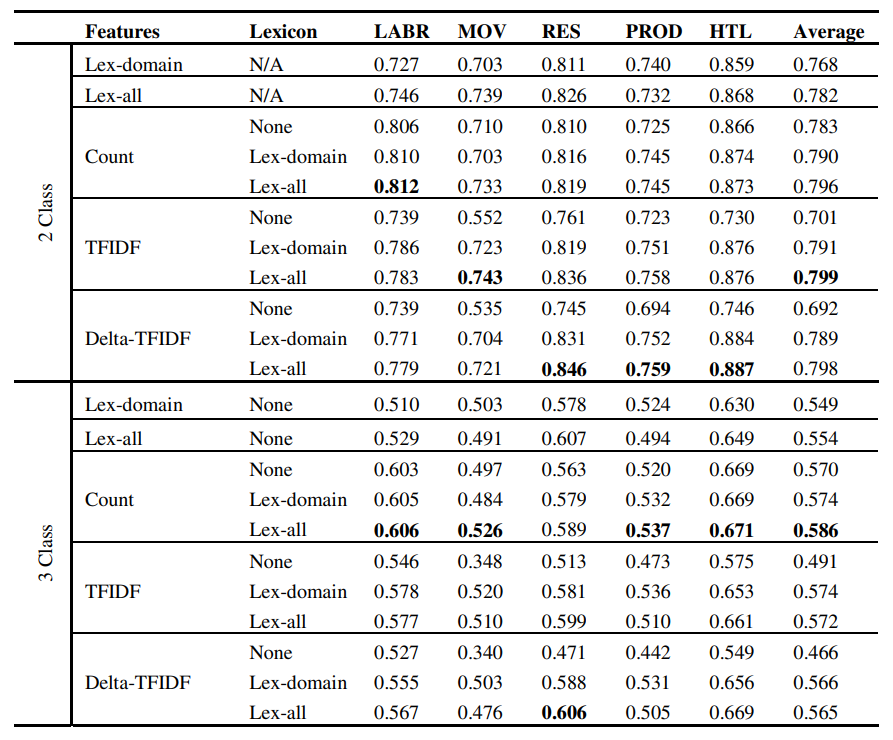
Building large arabic multi-domain resources for sentiment analysis
While there has been a recent progress in the area of Arabic SentimentAnalysis, most of the resources in this area are either of limited size, domainspecific or not publicly available. In this paper, we address this problemby generating large multi-domain datasets for Sentiment Analysis in Arabic.The datasets were scrapped from different reviewing websites and consist of atotal of 33K annotated
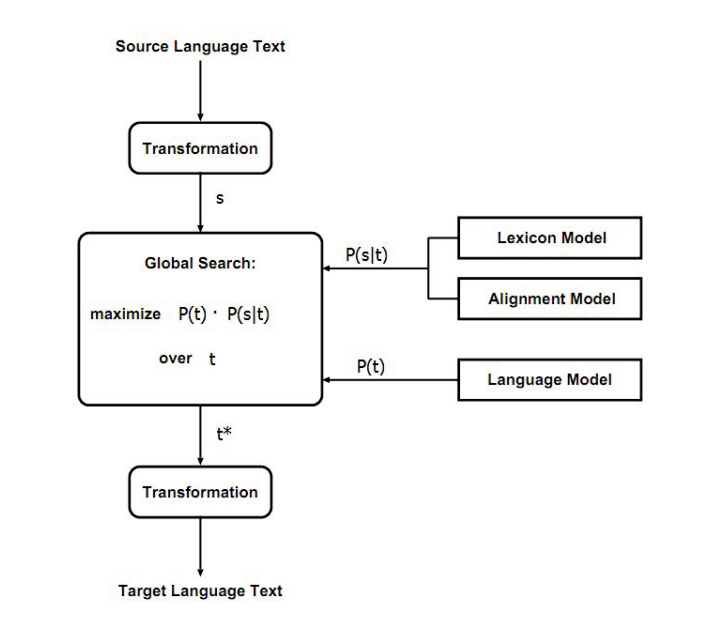
English-Arabic statistical machine translation: State of the art
This paper presents state of the art of the statistical methods that enhance English to Arabic (En-Ar) Machine Translation (MT). First, the paper introduces a brief history of the machine translation by clarifying the obstacles it faced; as exploring the history shows that research can develop new ideas. Second, the paper discusses the Statistical Machine Translation (SMT) method as an effective
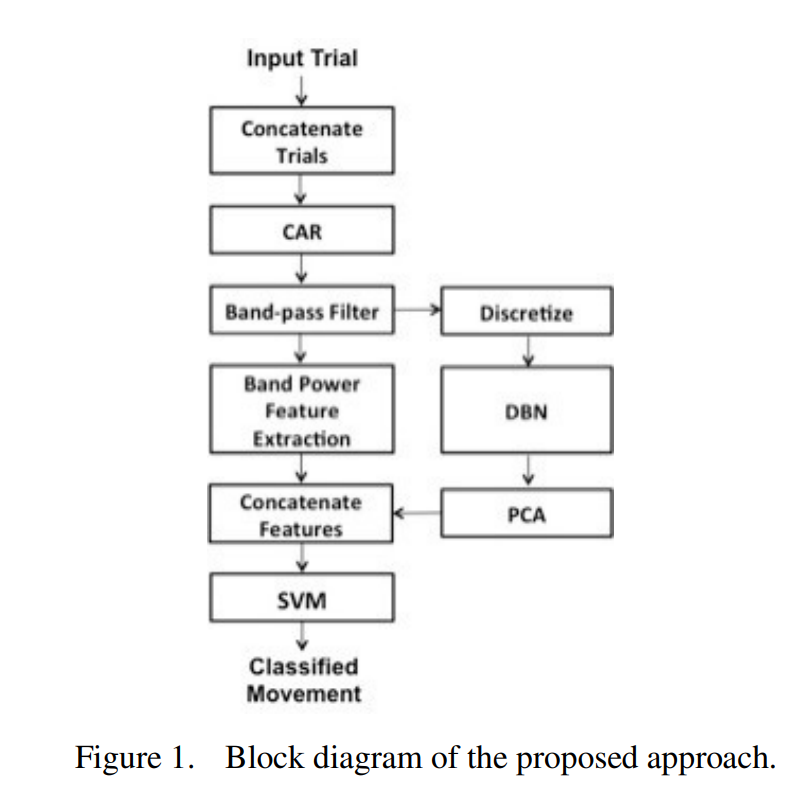
Dynamic Bayesian Networks for EEG motor imagery feature extraction
Dynamic Bayesian Networks (DBNs) are efficient graphical tools that could be used to detect causal relationships in multivariate systems. Here, we utilize DBNs to infer causality among electroencephalography (EEG) electrodes during a motor imagery task. We inferred the causal relationships between EEG electrodes during each of right and left hands imagery movements from 9 different subjects. We
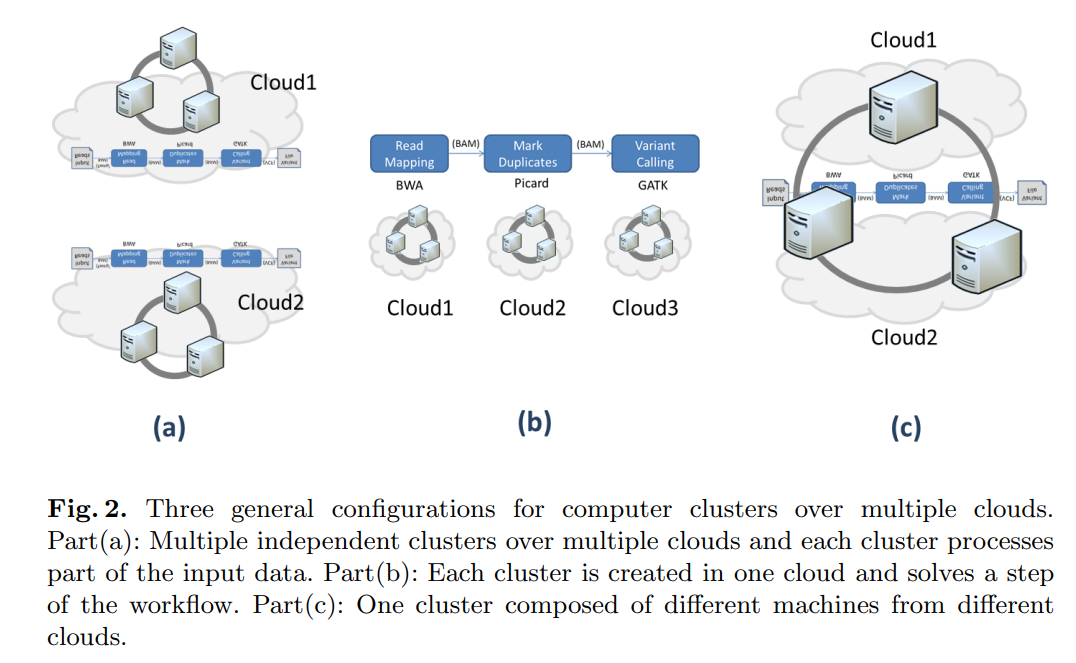
Supporting bioinformatics applications with hybrid multi-cloud services
Cloud computing provides a promising solution to the big data problem associated with next generation sequencing applications. The increasing number of cloud service providers, who compete in terms of performance and price, is a clear indication of a growing market with high demand. However, current cloud computing based applications in bioinformatics do not profit from this progress, because they
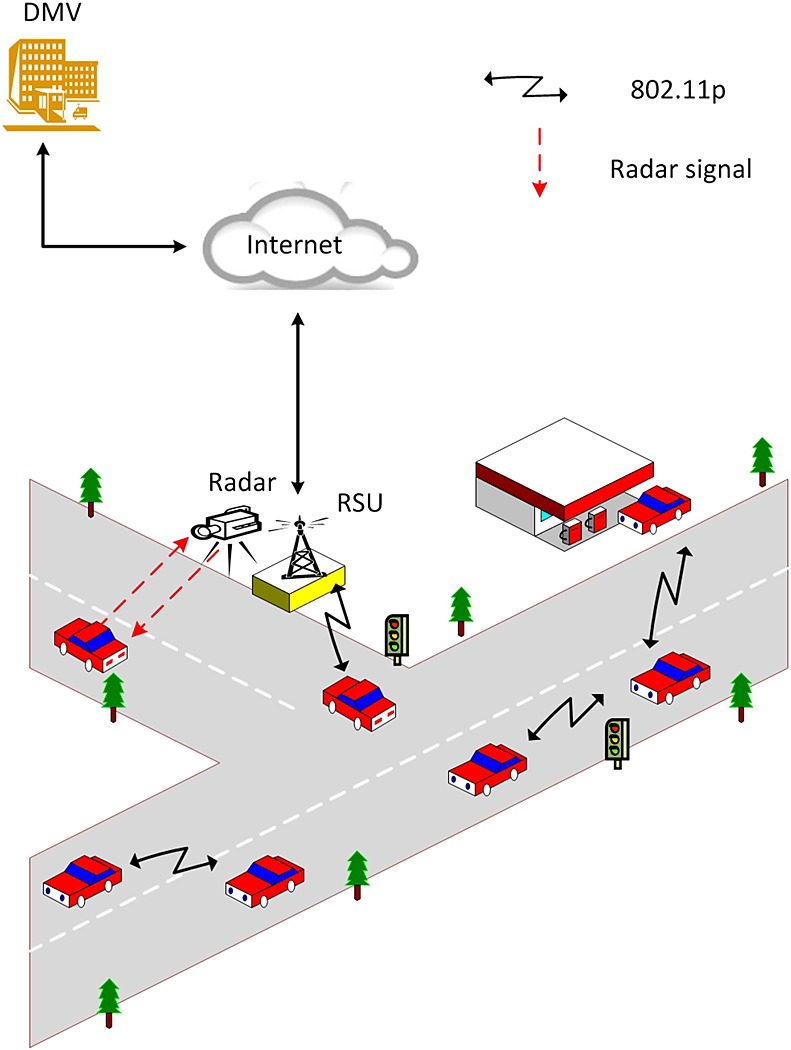
A secure and privacy-preserving event reporting scheme for vehicular Ad Hoc networks
In vehicular ad hoc networks, vehicles should report events to warn the drivers of unexpected hazards on the roads. While these reports can contribute to safer driving, vehicular ad hoc networks suffer from various security threats; a major one is Sybil attacks. In these attacks, an individual attacker can pretend as several vehicles that report a false event. In this paper, we propose a secure