
The INTACTBioPack Project

This project aims to develop innovative biodegradable, microbiome-based, and smart food packaging solutions tailored to Mediterranean food systems and consumer needs. The project addresses urgent regional challenges related to food waste, food safety, plastic pollution, and sustainability by integrating advances in biotechnology, microbiology, materials science, and intelligent sensing technologies.
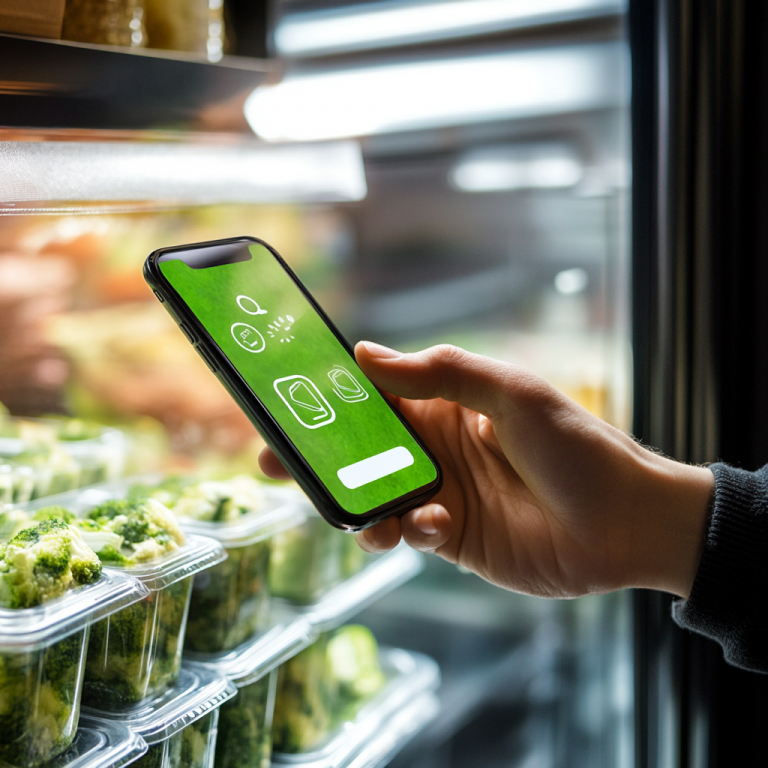
INTACTBioPack focuses on the development of home-compostable active packaging materials capable of preserving food quality and extending shelf life through natural antimicrobial and microbiome-based approaches. The project additionally develops reusable low-cost intelligent sensors, including RFID-based and colorimetric systems, to monitor food freshness and spoilage throughout the food supply chain and at the consumer level.
The project brings together an interdisciplinary consortium of 11 partners from across the Mediterranean region, including academic institutions, research centers, and industrial stakeholders from Egypt, France, Croatia, Portugal, Algeria, Turkey, Italy, Tunisia, and Spain.
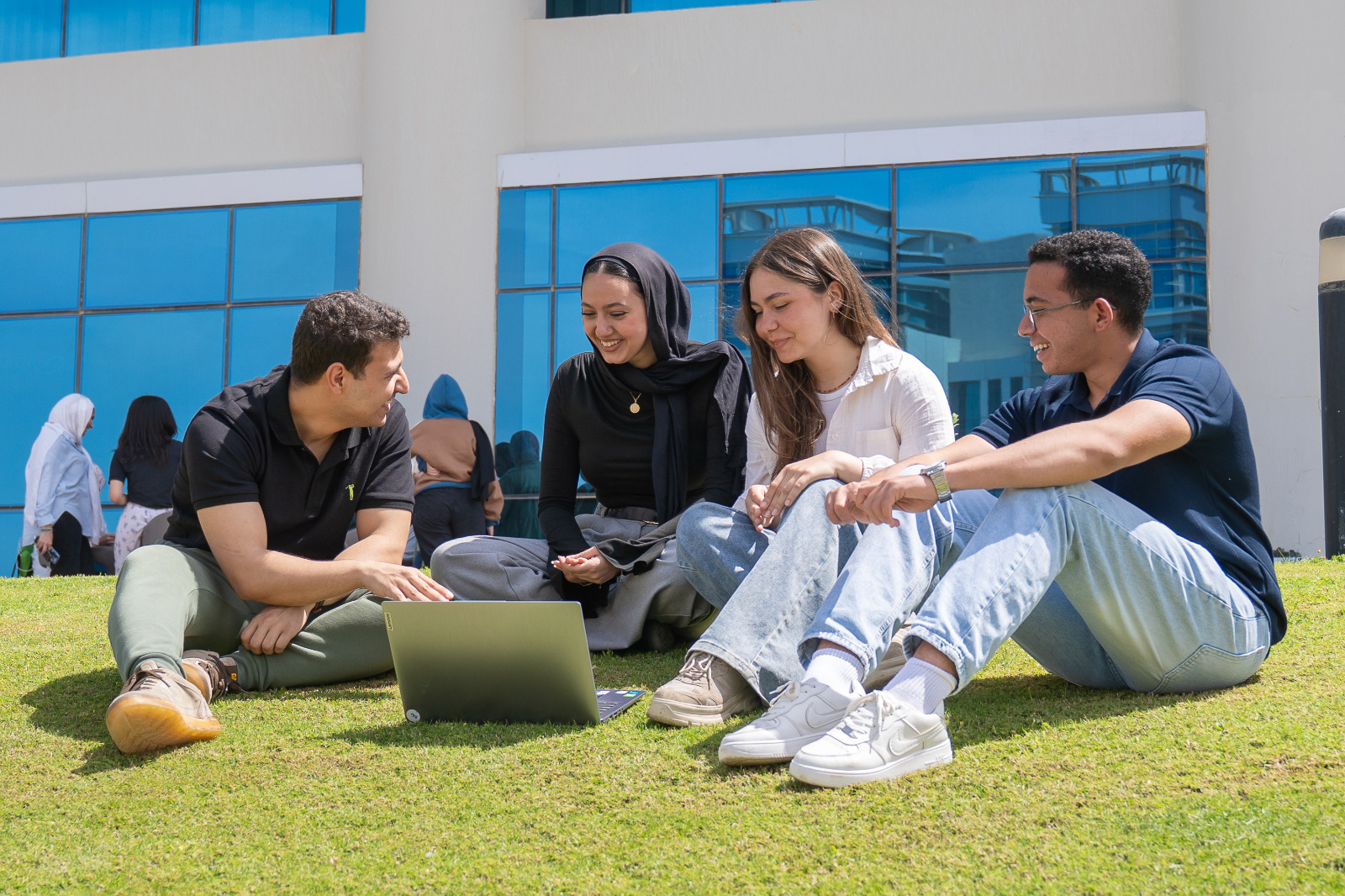
Within the project, Nile University contributes through the School of Biotechnology and collaborates with several engineering and research centers at the university. The Nile University team plays a leading role in stakeholder engagement and co-creation activities, as well as the development of reusable intelligent food spoilage sensors. The university also contributes to activities related to antimicrobial packaging systems, dissemination, and sustainability assessment.
Objectives / Contribution
- Develop biodegradable and home-compostable packaging materials with active antimicrobial and microbiome-based functionalities.
- Design reusable low-cost RFID-based and colorimetric sensors for monitoring food freshness and spoilage.
- Reduce food waste and food loss across Mediterranean food supply chains and households.
- Promote environmentally sustainable alternatives to conventional plastic packaging.
- Integrate stakeholder perspectives into packaging innovation through co-creation and participatory research approaches.
- Support the adoption of smart and sustainable packaging solutions within Mediterranean markets.
- Strengthen interdisciplinary collaboration between biotechnology, food science, engineering, and sustainability research fields.
- Enhance public awareness regarding sustainable packaging, food preservation, and environmental responsibility.
Nile University Team
 |
 |
 |
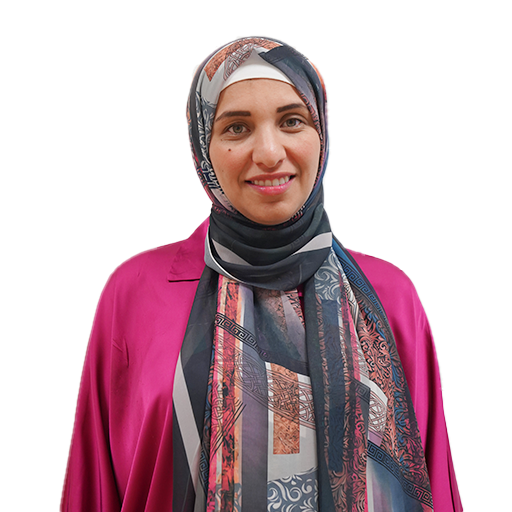 |
|
Principal Investigator |
|||
 |
 |
 |
|
|
Dr. Moez El Saadani |
Partners