



Publications
Publications
Filter by
A subspace method for the blind identification of multiple time-varying FIR channels
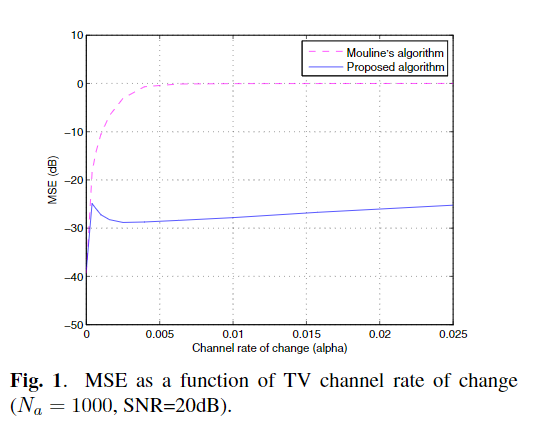
A new method is proposed for the blind subspace-based identification of the coefficients of time-varying (TV) single-input multiple-output (SIMO) FIR channels. The TV channel coefficients are represented via a finite basis expansion model, i.e. linear combination of known basis functions. In contrast to earlier related works, the basis functions need not be limited to complex exponentials, and
Analysis of a device-free passive tracking system in typical wireless environments
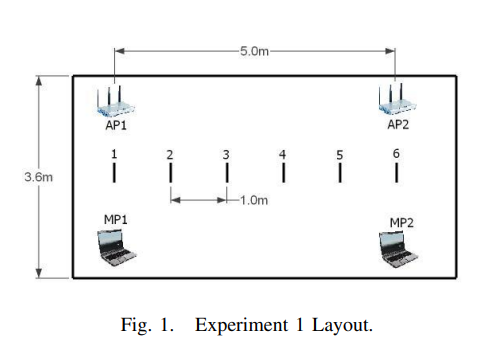
Device-free Passive (DfP) localization is a new concept in location determination where the tracked entity does not carry any device nor participate actively in the localization process. A DfP system operates by processing the received physical signal of a wireless transmitter at one or more monitoring points. The previously introduced DfP system was shown to enable the tracking of a single
Distributed flooding-based storage algorithms for large-scale wireless sensor networks
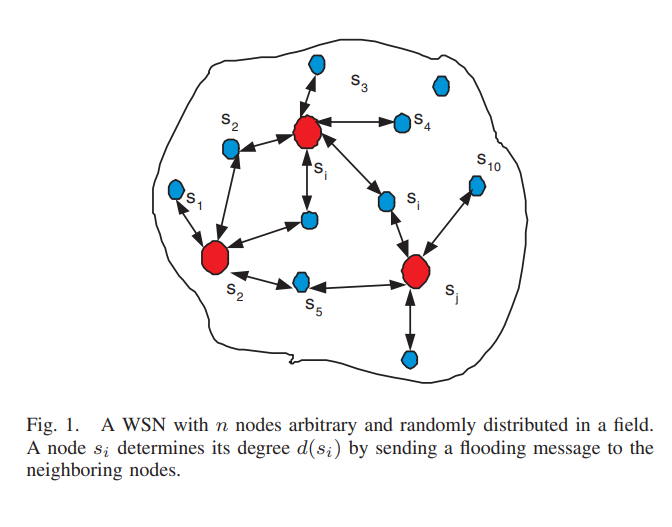
In this paper we propose distributed storage algorithms for large-scale wireless sensor networks. Assume a wireless sensor network with n nodes that have limited power, memory, and bandwidth. Each node is capable of both sensing and storing data. Such sensor nodes might disappear from the network due to failures or battery depletion. Hence it is desired to design efficient schemes to collect data
Inherent fat cancellation in complementary spatial modulation of magnetization
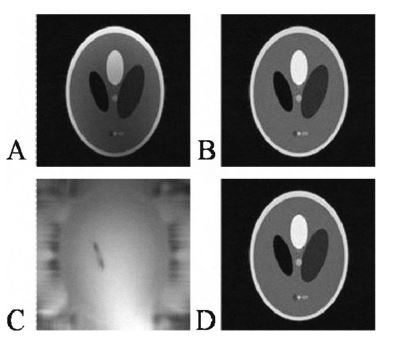
New approach for data acquisition and image reconstruction in parallel magnetic resonance imaging
In this study, we propose a novel data acquisition and image reconstruction method for parallel magnetic resonance imaging (MRI). The proposed method improves the GRAPPA algorithm by simultaneously collecting data using the body coil in addition to localized surface coils. The body coil data is included in the GRAPPA reconstruction as an additional coil. The reconstructed body coil image shows
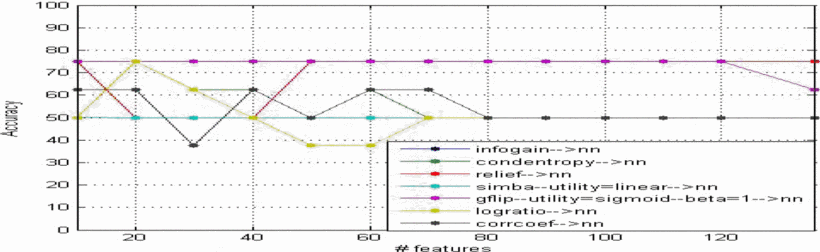
Feature selection in computer aided diagnostic system for microcalcification detection in digital mammograms
In this paper an approach is proposed to develop a computer-aided diagnosis (CAD) system that can be very helpful for radiologist in diagnosing microcalcifications' patterns in digitized mammograms earlier and faster than typical screening programs and showed the efficiency of feature selection on the CAD system. The proposed method has been implemented in four stages: (a) the region of interest
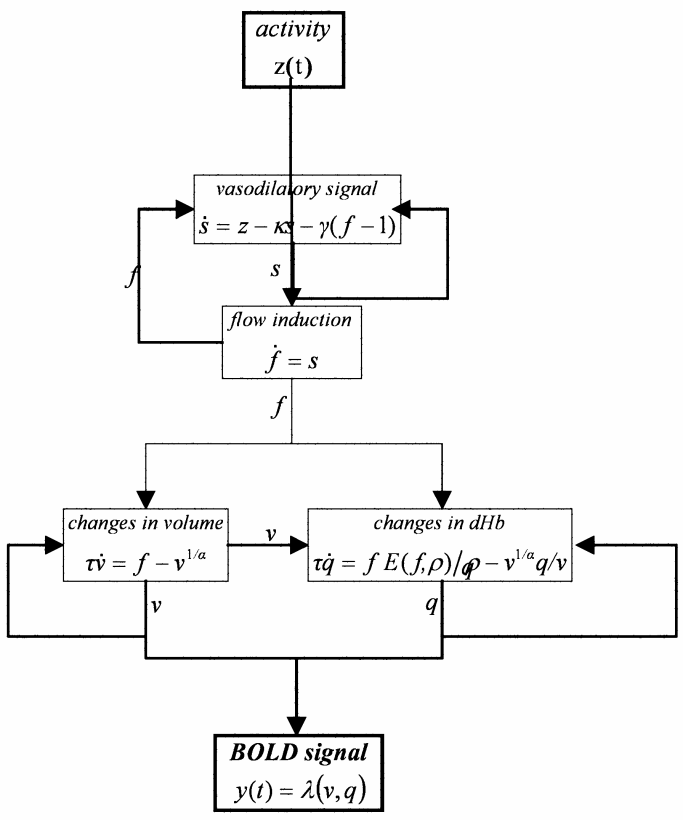
Modeling the interaction of brain regions based on functional magnetic resonance imaging time series
We propose a model that describes the interaction of several Brain Regions based on Functional Magnetic Resonance Imaging (FMRI) time series to make inferences about functional integration and segregation within the human brain. The method is demonstrated using dynamic causal modeling (OeM) using real data to show how such models are able to characterize interregional dependence. We extend

Computer aided diagnosis system for classification of microcalcifications in digital mammograms
Breast cancer is the main cause of death for women between the ages of 35 to 55. Mammogram breast X-ray is considered the most reliable method in early detection of breast cancer. Microcalcifications are among the earliest signs of a breast carcinoma. Actually, as radiologists point out, microcalcifications can be the only mammographic sign of non-palpable breast disease which are often overseen
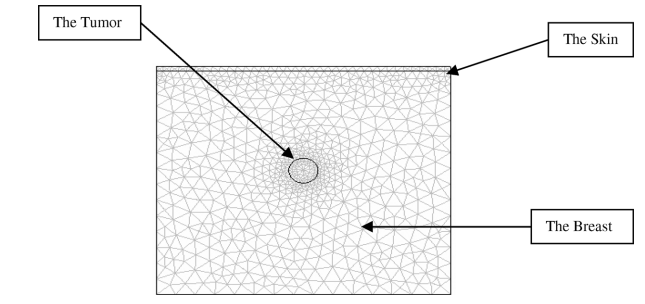
Modeling of ultrasound hyperthermia treatment of breast tumors
Ultrasound hyperthermia has become one of the new therapeutic modalities for breast cancer treatment, since ultrasound appears to selectively affect malignant cells without causing any deleterious effects to the surrounding normal tissues. The main objective of this study is to numerically simulate the interaction of therapeutic ultrasound with a multi- tissue type system, and to develop an
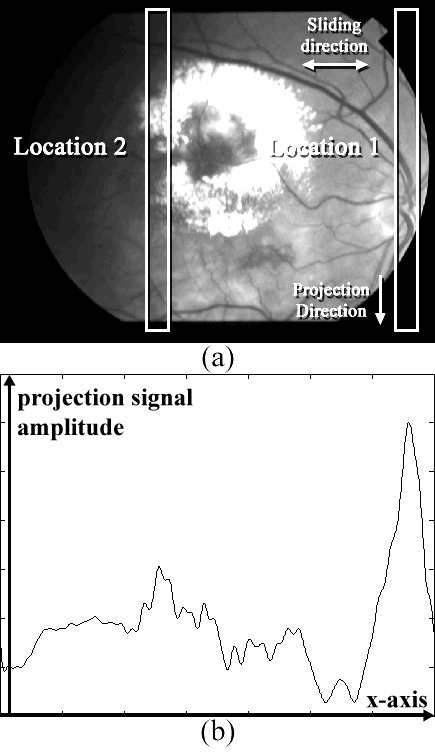
Ultrafast localization of the optic disc using dimensionality reduction of the search space
Optic Disc (OD) localization is an important pre-processing step that significantly simplifies subsequent segmentation of the OD and other retinal structures. Current OD localization techniques suffer from impractically-high computation times (few minutes/image). In this work, we present an ultrafast technique that requiresless than a second to localize the OD. The technique is based on reducing