



Publications
Publications
Filter by
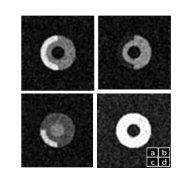
Automated cardiac-tissue identification in composite strain-encoded (C-SECN) images using fuzzy K-means and bayesian classifier
Composite Strain Encoding (C-SENC) is an MRI acquisition technique for simultaneous acquisition of cardiac tissue viability and contractility images. It combines the use of black-blood delayed-enhancement imaging to identify the infracted (dead) tissue inside the heart wall muscle and the ability to image myocardial deformation (MI) from the strain-encoding (SENC) imaging technique. In this work
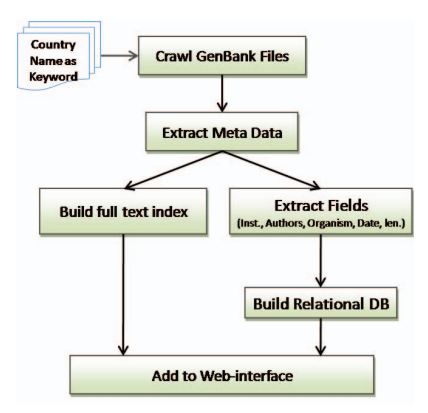
EGEPT: Monitoring middle east genomic data
EGEPT (Middle East GenBank Post) is a database that monitors submissions to the GenBank nucleotide database from Middle East countries. The data in EGEPT is browsable by country, institute, author, organism, and related publications. Statistics about the dataset is provided and charts that compare the Middle East countries to each other are automatically generated. EGEPT revealed that Qatar, Egypt
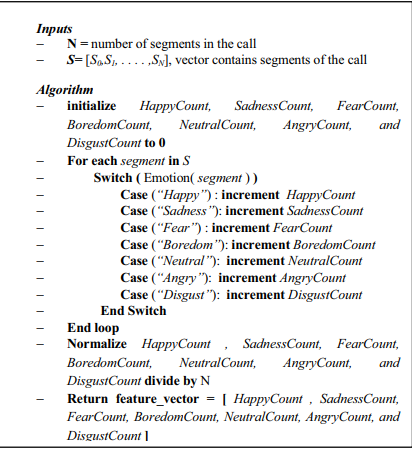
Emotions analysis of speech for call classification
Most existing research in the area of emotions recognition has focused on short segments or utterances of speech. In this paper we propose a machine learning system for classifying the overall sentiment of long conversations as being Positive or Negative. Our system has three main phases, first it divides a call into short segments, second it applies machine learning to recognize the emotion for
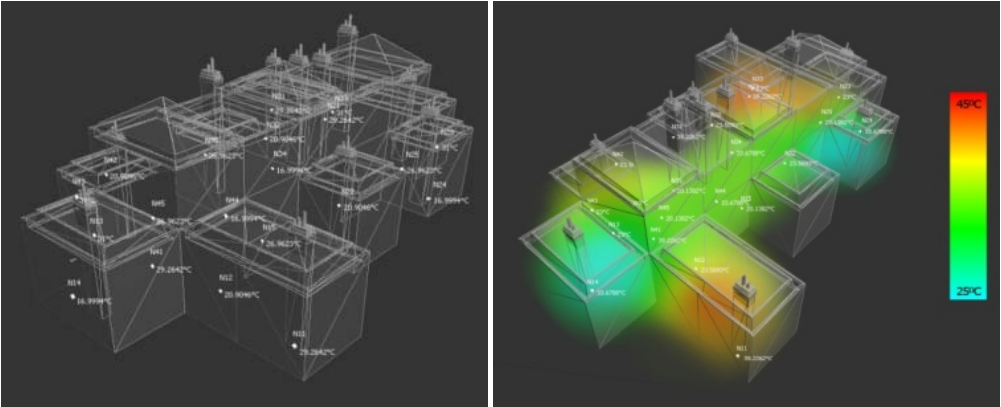
Monitoring and visualization of large WSN deployments
Recent developments in wireless sensor networks have ushered in novel ubiquitous computing applications based on distributed large-scale data acquisition and interactive interpretation. However, current WSNs suffer from lack of effective tools to support large network deployment and administration as well as unavailability of interactive visualization techniques required to explore and analyze
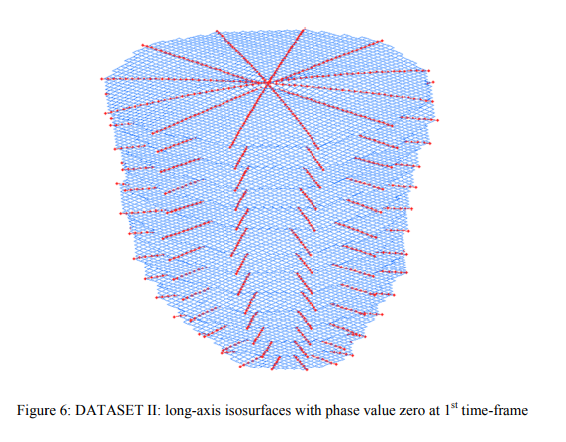
3D motion tracking of the heart using Harmonic Phase (HARP) isosurfaces
Tags are non-invasive features induced in the heart muscle that enable the tracking of heart motion. Each tag line, in fact, corresponds to a 3D tag surface that deforms with the heart muscle during the cardiac cycle. Tracking of tag surfaces deformation is useful for the analysis of left ventricular motion. Cardiac material markers (Kerwin et al, MIA, 1997) can be obtained from the intersections
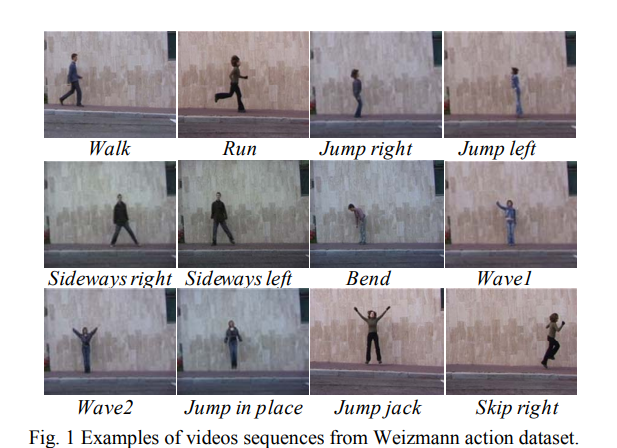
Human action recognition employing 2DPCA and VQ in the spatio-temporal domain
In this paper a novel algorithm for human action recognition is presented. This approach is based on Two-Dimensional Principal Component Analysis (2DPCA) and Vector Quantization (VQ) in the spatial-temporal domain. This method reduces computational complexity by a factor of 98, while maintaining the storage requirement and the recognition accuracy, compared with some of the most recent approaches
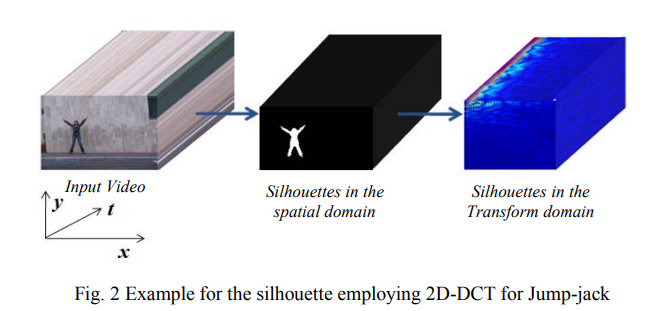
Human action recognition employing TD2DPCA and VQ
A novel algorithm for human action recognition in the transform domain is presented. This approach is based on Two- Dimensional Principal Component Analysis (2DPCA) and Vector Quantization (VQ). This technique reduces the computational complexity and the storage requirement by at least a factor of 45.27, and 12 respectively, while achieving the highest recognition accuracy, compared with the most
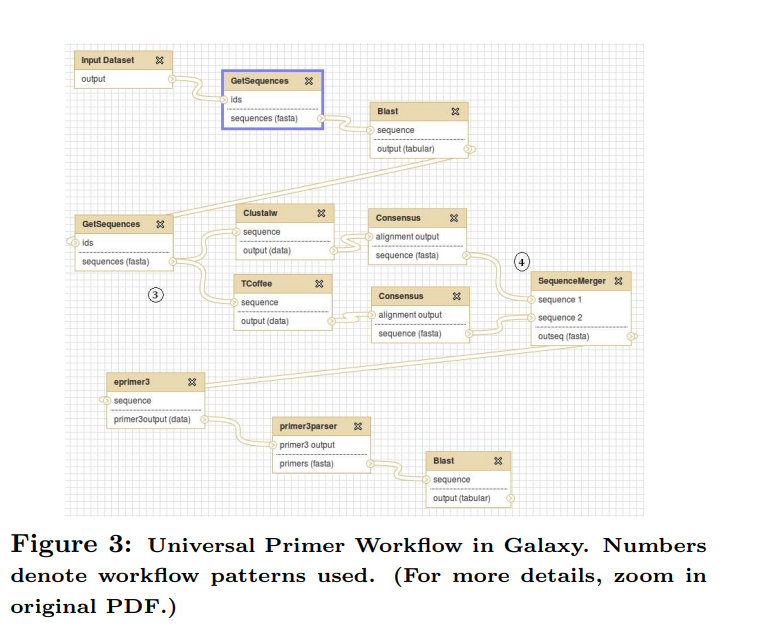
Meta-workflows: Pattern-based interoperability between Galaxy and Taverna
Taverna and Galaxy are two workflow systems developed specifically for bioinformatics applications. For sequence analysis applications, some tasks can be implemented easily on one system but would be difficult, or infeasible, to be implemented on the other. One solution to overcome this situation is to combine both tools in a unified framework that seamlessly makes use of the best features of each
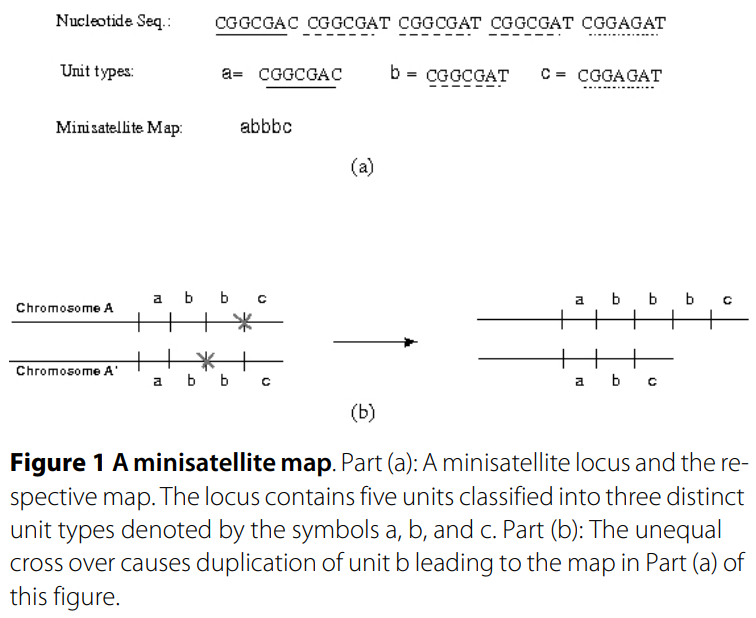
WAMI: A web server for the analysis of minisatellite maps
Background. Minisatellites are genomic loci composed of tandem arrays of short repetitive DNA segments. A minisatellite map is a sequence of symbols that represents the tandem repeat array such that the set of symbols is in one-to-one correspondence with the set of distinct repeats. Due to variations in repeat type and organization as well as copy number, the minisatellite maps have been widely
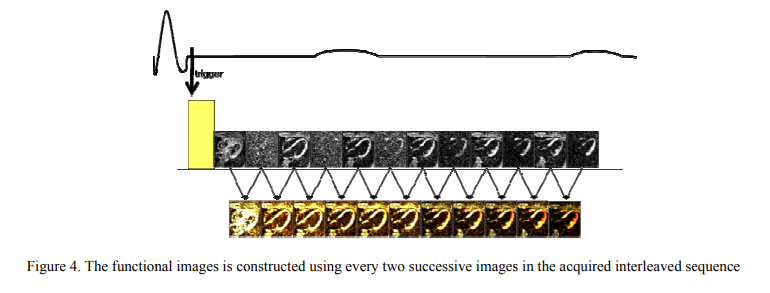
Strain correction in interleaved strain-encoded (SENC) cardiac MR
The strain encoding (SENC) technique directly encodes regional strain of the heart into the acquired MR images and produces two images with two different tunings so that longitudinal strain, on the short-axis view, or circumferential strain on the long-axis view, are measured. Interleaving acquisition is used to shorten the acquisition time of the two tuned images by 50%, but it suffers from