



Publications
Publications
Filter by
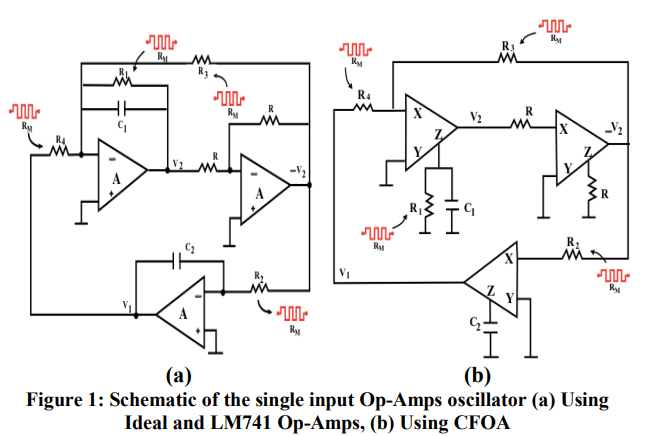
The modified single input Op-Amps memristor based oscillator
This paper introduces the modified single input Op-Amps memristor based oscillator. The oscillator is realized with ideal, LM741 and current feedback (AD844) Op-Amps where memristors replace resistors. The effect of memristor on the oscillation frequency and the oscillation condition that are totally independent is studied. This helped in studying the whole operation regime of the memristor. The
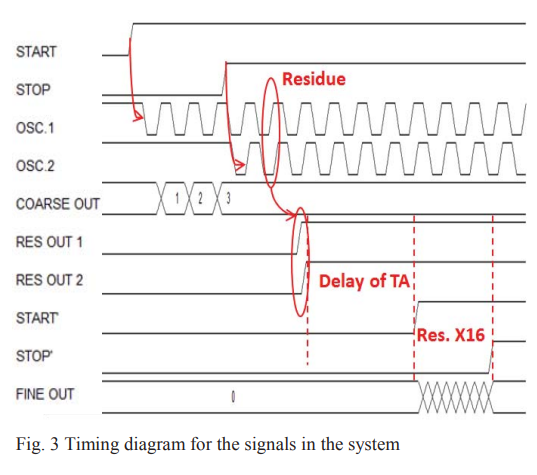
A novel high throughput high resolution two-stage oscillator-based TDC
This paper presents a new technique to reduce the conversion time, hence improve the throughput, of the two-stage Time to Digital Converter (TDC) architecture. An oscillator based TDC is used in the first and second stages. The time residue from the first stage is generated directly after the stop signal is asserted and saved in the form of phase-shift between two oscillating signals. A throughput
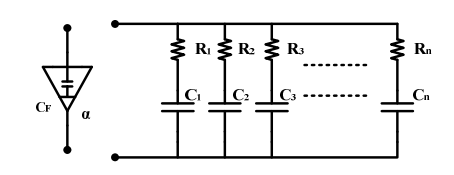
Current source based standard-cell model for accurate timing analysis of combinational logic cells
Timing verification is an essential process in nanometer design. Therefore, static timing analysis (STA) is currently the main aspect of performance verification. Traditional STA is based on lookup tables with input slew and output load capacitance. It is becoming insufficient to accurately characterize many significant aspects of the conventional cell delays models, such as: the process
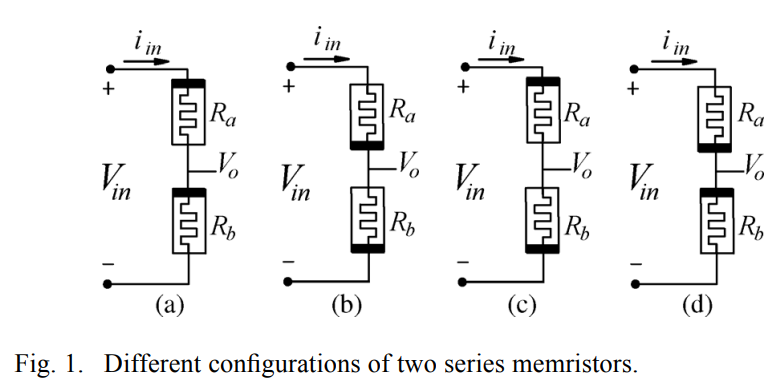
Generalized analysis of symmetric and asymmetric memristive two-gate relaxation oscillators
Memristive oscillators are a novel topic in nonlinear circuit theory, where the behavior of the reactive elements is emulated by the memristor. This paper presents symmetric and asymmetric memristive two-gate relaxation oscillators. First, the analysis of the two series memristors is introduced to study the effect of changing their polarities, as well as the mobility factor to be used in the two
Mathematical modeling of Upflow Anaerobic Sludge Blanket reactor in domestic wastewater treatment
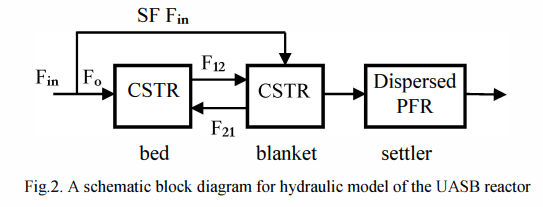
This paper introduces a dynamic model to adequately describe an Upflow Anaerobic Sludge Blanket (UASB) reactor. Some available models of a UASB reactor are discussed in order to modify their drawbacks and propose a new improved model with less complexity and more reliability. The developed model is a combination of two recent models introduced in Sweden. According to this model, a UASB rector is
Alternate relaying and the degrees of freedom of one-way cellular relay networks
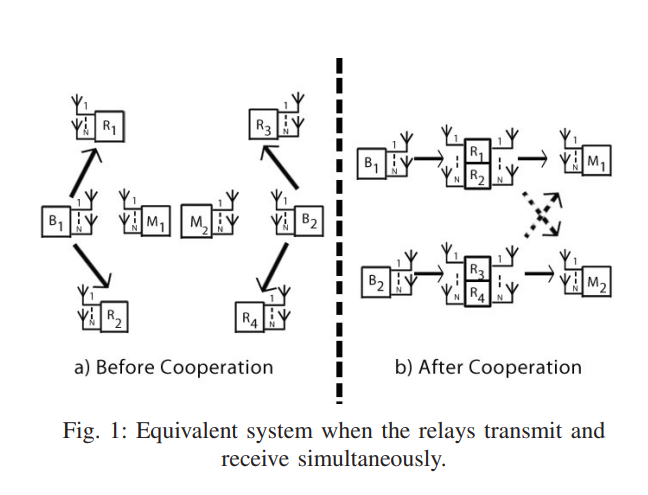
In this paper, a cellular relaying network consisting of two source-destination pairs, and four decode-and-forward relays operating in half-duplex mode is considered. Each source is assisted by two relays and all nodes are equipped with N antennas. In order to compensate for the loss of capacity by a factor of half due to the half-duplex mode, an alternate transmission protocol among the two
Performance assessment of prepared polyamide thin film composite membrane for desalination of saline groundwater at Mersa Alam-Ras Banas, Red Sea Coast, Egypt
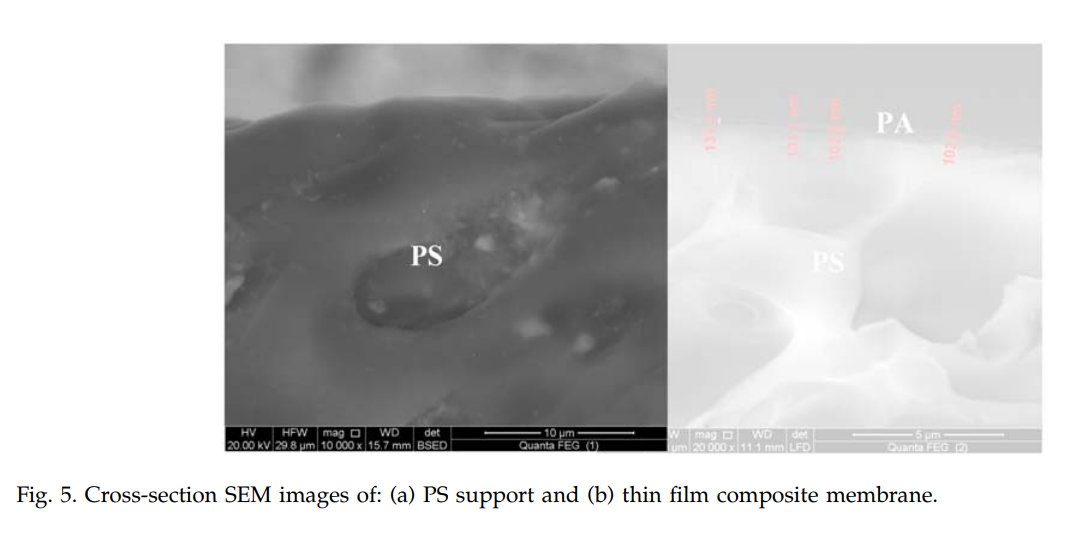
This study aims to enhance the performance of the flat sheet thin-film composite (TFC) polyamide-polysulfone reverse osmosis (RO) membranes. Composite RO membranes with high salt rejection were fabricated by treating a porous polysulfone (PS) support sequentially with a di-amine and then with a polyfunctional acid chloride, thereby forming a thin film of polyamide (PA) on the PS support. In order
A cooperative Q-learning approach for online power allocation in femtocell networks
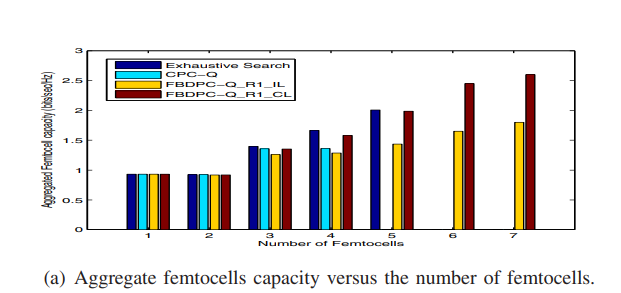
In this paper, we address the problem of distributed interference management of cognitive femtocells that share the same frequency range with macrocells using distributed multiagent Q-learning. We formulate and solve three problems representing three different Q-learning algorithms: namely, centralized, femto-based distributed and subcarrier-based distributed power control using Q-learning (CPC-Q
Low-complexity Kalman filter-based carrier frequency offset estimation and tracking for OFDM systems
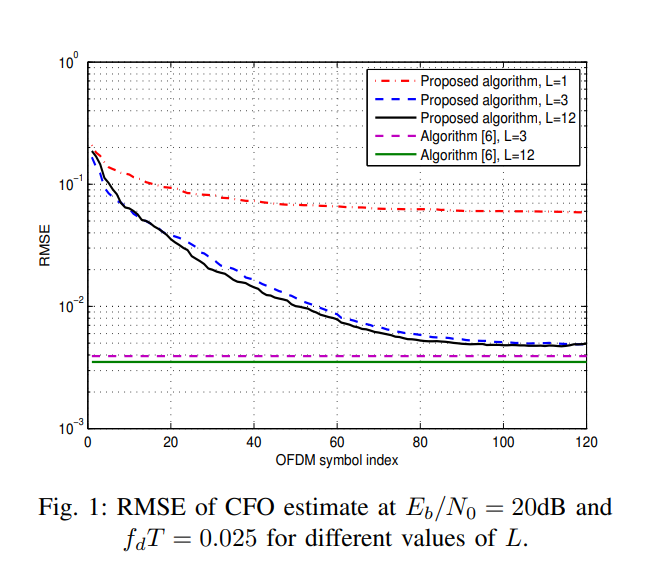
In this paper, an iterative blind estimator for fractional carrier frequency offset (CFO) in orthogonal frequency division multiplexing (OFDM) systems is proposed. The estimator utilizes the null subcarriers transmitted at the edge of the spectrum and does not require any training. In addition, the proposed estimator does not require any prior knowledge of the frequency response of the channel
On the flow anonymity problem in network coding
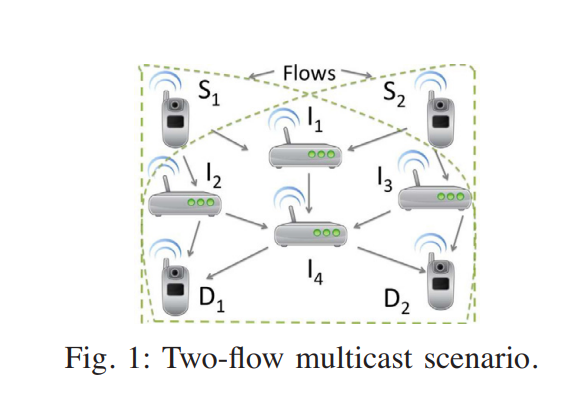
In this paper, we aim at protecting the privacy of the communicating parties while ensuring the authenticity of source nodes. In particular, we exploit intra-flow network coding to preserve the anonymity of communicating parties. Towards this objective, we propose an anonymity preservation scheme, namely closed group anonymity (CGA) that preserves the anonymity of the communicating parties via